
Flourless Lemon Greek Yogurt Cake

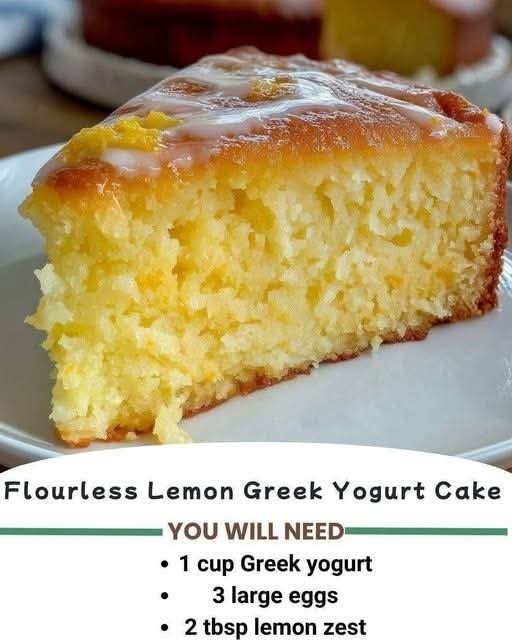
If you love fresh lemon desserts that are light, soft, and not overly sweet, this flourless lemon Greek yogurt cake is one you’ll want to try. It’s wonderfully moist, has a delicate lemon flavor, and comes together with simple ingredients without using traditional wheat flour.
Honestly, I’m always drawn to desserts that feel a little special but don’t require a long list of ingredients or complicated baking techniques. Lemon cake is one of my favorites, especially when it has that fresh citrus aroma and a tender, almost creamy crumb. Adding Greek yogurt gives this cake a lovely richness and a slight tang that balances the sweetness beautifully.
I usually reach for this recipe when I want something homemade to serve with afternoon tea or coffee. It’s also a lovely dessert for spring gatherings, weekend brunches, or those days when you’re craving something sweet but don’t want a heavy buttercream-covered cake.
The best part? You don’t need regular flour to make a delicious lemon cake. Greek yogurt, eggs, and a few carefully chosen ingredients can create a soft, flavorful dessert that feels simple and comforting.
Whether you’re an experienced baker or just starting out, this flourless lemon Greek yogurt cake is an easy recipe worth adding to your collection.
Why You’ll Love This Flourless Lemon Cake
- No traditional flour: A great option for people looking for a flourless dessert.
- Fresh lemon flavor: Lemon zest gives every bite a bright, citrusy taste.
- Moist and tender: Greek yogurt adds moisture and a pleasant tang.
- Simple ingredients: You don’t need fancy baking equipment or complicated techniques.
- Perfect for many occasions: Serve it for breakfast treats, afternoon tea, brunch, or dessert.
- Easy to dress up: A light lemon glaze or a dusting of powdered sugar makes it look beautiful.
A quick baking note: Flourless cakes can vary significantly depending on the ingredients used. This version uses cornstarch to help create a soft, sliceable texture without wheat flour. If you need the cake to be gluten-free for medical reasons, check that all packaged ingredients are certified gluten-free.
Ingredients You’ll Need
The ingredients are simple, and each one plays an important role in the cake’s texture and flavor.
For the Flourless Lemon Greek Yogurt Cake
- 1 cup (245 g) plain Greek yogurt: Full-fat Greek yogurt gives the cake a richer texture, although low-fat yogurt can also work.
- 3 large eggs: These provide structure and help the cake hold together without wheat flour.
- 2 tablespoons fresh lemon zest: This is where much of the cake’s bright lemon aroma comes from.
- ¼ cup (60 ml) fresh lemon juice: Adds a refreshing citrus flavor.
- ½ cup (100 g) granulated sugar: Adjust slightly to suit your taste.
- ½ cup (64 g) cornstarch: Helps create a tender crumb without regular flour. Use certified gluten-free cornstarch if necessary.
- 1 teaspoon baking powder: Helps the cake rise.
- 1 teaspoon vanilla extract: Adds a subtle sweetness and rounds out the lemon flavor.
- ⅛ teaspoon salt: Balances the sweetness and enhances the other flavors.
For the Optional Lemon Glaze
- ½ cup (60 g) powdered sugar
- 1–2 tablespoons fresh lemon juice
Whisk the powdered sugar with enough lemon juice to make a smooth, pourable glaze.
Recipe note: The photo highlights Greek yogurt, three large eggs, and two tablespoons of lemon zest. The remaining quantities above are a complete suggested recipe because the image doesn’t show the full ingredient list or baking instructions.
How to Make Flourless Lemon Greek Yogurt Cake
Follow these easy steps to make a tender, lemony cake with a beautiful golden top.
Step 1: Preheat the Oven
Preheat your oven to 350°F (175°C).
Grease an 8-inch round cake pan and line the bottom with parchment paper. I usually line the pan even when it’s nonstick because flourless cakes can be more delicate than traditional cakes.
The parchment makes it much easier to remove the cake without breaking the edges.
Step 2: Mix the Greek Yogurt and Sugar
Add the Greek yogurt and granulated sugar to a large mixing bowl.
Whisk until the mixture looks smooth and the sugar is evenly distributed.
I recommend using plain, unsweetened Greek yogurt rather than flavored yogurt. Flavored varieties can add extra sweetness and may change the cake’s texture.
Step 3: Add the Eggs
Add the eggs one at a time, whisking well after each addition.
Stir in the vanilla extract, fresh lemon juice, and lemon zest.
The mixture should look smooth and creamy, with tiny flecks of lemon zest throughout.
Honestly, fresh lemon zest makes a noticeable difference here. It gives the cake a fragrant citrus flavor without making it overly sour.
Step 4: Combine the Dry Ingredients
In a separate bowl, whisk together the cornstarch, baking powder, and salt.
Add the dry ingredients to the yogurt mixture gradually, whisking gently until no dry pockets remain.
Avoid overmixing once everything is combined. You only need a smooth batter.
The batter will be thinner than a traditional butter cake batter, which is normal for this style of flourless cake.
Step 5: Pour the Batter Into the Pan
Pour the batter into the prepared cake pan.
Gently tap the pan on the counter once or twice to release any large air bubbles.
Use a spatula to smooth the top if necessary.
Step 6: Bake the Cake
Place the pan in the preheated oven and bake for approximately 35–45 minutes.
Start checking around the 35-minute mark. The top should be lightly golden, and the center should look set rather than liquid.
Insert a toothpick into the center. It should come out clean or with a few moist crumbs, but without wet batter.
Ovens vary, so use the appearance and texture of the cake as your guide rather than relying on time alone.
Step 7: Let the Cake Cool
Remove the cake from the oven and let it cool in the pan for about 15–20 minutes.
Run a thin knife around the edges, then carefully release the cake from the pan.
Allow it to cool completely on a wire rack before adding the glaze.
This step matters because flourless cakes are often delicate while warm. I usually resist the temptation to cut into the cake straight away because letting it cool helps the crumb become more stable.
Step 8: Make the Lemon Glaze
In a small bowl, whisk the powdered sugar with one tablespoon of lemon juice.
Add a little more lemon juice if needed until the glaze reaches your preferred consistency.
Drizzle it over the cooled cake and allow it to set for a few minutes before slicing.
If you prefer a less sweet dessert, skip the glaze and finish the cake with a light dusting of powdered sugar instead.
Step 9: Slice and Enjoy
Cut the cake into 8 slices using a sharp knife.
Serve it on its own, with fresh berries, or alongside a cup of tea or coffee.
The texture should be soft and moist, with a gentle tang from the yogurt and a fresh lemon flavor in every bite.
Tips for the Best Flourless Lemon Greek Yogurt Cake
1. Use Fresh Lemon Zest
Fresh lemon zest is one of the most important ingredients in this recipe. It contains fragrant citrus oils that make the cake taste brighter and more flavorful.
When zesting the lemon, use only the yellow outer layer. The white pith underneath can taste bitter.
2. Choose Thick Greek Yogurt
Thick, plain Greek yogurt provides moisture and helps create a creamy texture.
If your yogurt is unusually watery, drain off excess liquid before measuring it. Too much liquid can make the cake take longer to bake and affect its structure.
3. Measure the Cornstarch Carefully
Because this cake doesn’t contain regular flour, the amount of cornstarch matters. Too much can make the crumb dry or slightly powdery, while too little may leave the cake fragile.
For the most consistent results, measure it by weight if possible.
4. Don’t Overbake
Flourless cakes can dry out if they’re baked for too long.
Check the center near the beginning of the suggested baking window. The cake should be set and lightly golden, with a tender interior.
5. Let It Cool Before Slicing
The cake may feel soft in the center when it first comes out of the oven. This doesn’t necessarily mean it’s underbaked.
Allowing it to cool helps the structure settle, making it easier to slice neatly.
6. Balance the Lemon Flavor
If you prefer a stronger lemon flavor, add a little extra zest. I usually recommend increasing the zest before adding more lemon juice because too much liquid can change the cake’s texture.
7. Use Room-Temperature Ingredients
Room-temperature eggs and yogurt blend more easily, helping the batter come together smoothly.
If your ingredients are straight from the refrigerator, let them sit out briefly before mixing.
Delicious Variations to Try
Once you’ve made the basic recipe, there are plenty of ways to customize it.
Lemon Blueberry Yogurt Cake: Gently fold ½ cup of fresh blueberries into the batter before baking. Pat them dry first to avoid adding excess moisture.
Lemon Almond Cake: Replace a portion of the cornstarch with finely ground almonds. The result will have a slightly richer texture and a subtle nutty flavor, though it will no longer be nut-free.
Honey Lemon Cake: Replace some of the granulated sugar with honey. Keep in mind that honey adds moisture, so the texture and baking time may change.
Lemon Coconut Cake: Add a small amount of finely shredded coconut for a tropical twist.
Orange Yogurt Cake: Replace some of the lemon zest with orange zest for a sweeter citrus flavor.
Sugar-Free Variation: A suitable baking sweetener may work, but results depend on the product. Choose one designed for baking and follow its conversion instructions.
What to Serve with Flourless Lemon Greek Yogurt Cake
This cake is lovely on its own, but a few simple additions can make it feel extra special.
- Fresh berries: Strawberries, raspberries, and blueberries complement the lemon beautifully.
- Whipped cream: A small dollop adds richness to each slice.
- Greek yogurt: Serve with a spoonful of lightly sweetened yogurt for a simple, tangy pairing.
- Fresh mint: A few mint leaves make an attractive garnish.
- Hot tea: Earl Grey, green tea, or chamomile pairs wonderfully with the citrus flavor.
- Coffee: Serve a slice alongside your favorite morning or afternoon coffee.
- Lemon curd: Add a small spoonful for an extra burst of lemon flavor.
For a simple presentation, I usually choose fresh berries and a light dusting of powdered sugar. It looks pretty without requiring much extra work.
How to Store Flourless Lemon Greek Yogurt Cake
At Room Temperature
Because this cake contains eggs and dairy, don’t leave it at room temperature for more than two hours. Refrigerate leftovers promptly.
In the Refrigerator
Store the cake in an airtight container in the refrigerator for 3–4 days.
I actually enjoy this cake chilled because the texture becomes a little firmer, and the lemon flavor has time to develop.
Can You Freeze It?
Yes. For best results, freeze individual slices without the glaze.
Wrap each slice tightly and place it in a freezer-safe container. Freeze for up to 2 months for best quality.
Thaw the slices overnight in the refrigerator, then add fresh glaze if desired.
How to Serve Leftovers
You can serve refrigerated slices cold or let them sit out briefly before eating for a softer texture. If you prefer the cake slightly warm, heat a slice gently in the microwave for a few seconds.
Nutrition Information
Here is an approximate nutritional breakdown per serving, assuming the cake is divided into 8 slices and prepared with the ingredients listed above, including the optional glaze.
- Calories: 175
- Protein: 7 g
- Carbohydrates: 28 g
- Fat: 4 g
- Saturated fat: 1.5 g
- Sugar: 19 g
- Fiber: Less than 1 g
- Sodium: 100 mg
These values are estimates and will vary depending on the Greek yogurt, sugar, and other ingredients you use. They are not laboratory-tested nutrition figures.
Is this cake gluten-free? The recipe contains no wheat flour and can be suitable for a gluten-free diet when all ingredients, including the cornstarch and baking powder, are verified gluten-free. If you have celiac disease, check ingredient labels and prevent cross-contact during preparation.
Frequently Asked Questions
1. Can I Make Flourless Lemon Greek Yogurt Cake Without Cornstarch?
Cornstarch helps the cake set and hold its shape without wheat flour. You may be able to substitute a suitable starch, such as arrowroot, but the texture may differ. Almond flour is not a direct one-to-one replacement because it contains fat and behaves differently during baking.
2. Why Did My Flourless Lemon Cake Sink in the Middle?
A slight dip can be normal for a flourless cake. However, a large collapse may happen if the cake is underbaked, the batter contains too much liquid, or the oven door is opened too early.
Make sure the center is set before removing the cake from the oven, and allow it to cool gradually.
3. Can I Use Regular Yogurt Instead of Greek Yogurt?
Yes, but regular yogurt is usually thinner and contains more moisture. For a similar result, strain plain yogurt through a fine sieve or cheesecloth until it becomes thick.
Using unstrained yogurt may produce a softer cake that needs a different baking time.
4. Is Flourless Lemon Greek Yogurt Cake Gluten-Free?
It can be. This recipe uses cornstarch rather than wheat flour, but you should verify that your cornstarch, baking powder, and other packaged ingredients are gluten-free.
If you have celiac disease, use appropriately certified ingredients and avoid cross-contact with wheat flour in your kitchen.
5. How Do I Know When the Cake Is Fully Baked?
The top should be lightly golden, and the center should look set rather than wet or liquid. A toothpick inserted into the center should come out clean or with a few moist crumbs.
Begin checking at about 35 minutes, since baking times vary between ovens. Let the cake cool before slicing so it can finish setting.
Final Thoughts
This flourless lemon Greek yogurt cake is a lovely reminder that homemade desserts don’t have to be complicated to taste wonderful. With creamy Greek yogurt, fresh lemon zest, and a handful of pantry staples, you can make a bright, tender cake that’s perfect for sharing.
I usually serve it with fresh berries and a cup of tea, especially when I want something sweet that doesn’t feel too heavy. The lemon brings a refreshing flavor, while the yogurt adds moisture and a pleasant tang.
What I love most is how easy it is to dress up for guests or keep simple for an everyday treat. Add the lemon glaze when you’re in the mood for something sweeter, or enjoy a plain slice when you want the citrus flavor to shine.
Give this easy flourless lemon Greek yogurt cake a try the next time you’re craving a fresh, homemade dessert. Don’t forget the extra lemon zest if you’re a big citrus fan!