
Fluffy Baked Egg Soufflé Casserole

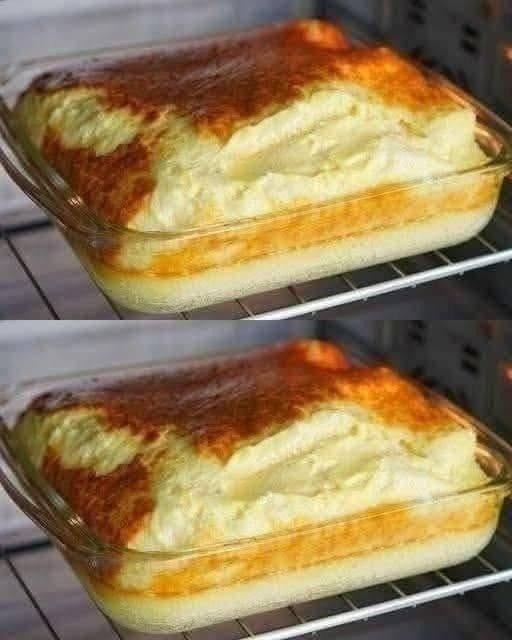
If you’ve ever wanted to make something simple that looks impressive straight out of the oven, this fluffy baked egg soufflé casserole is worth trying. It has a beautifully golden-brown top, a soft and airy center, and a rich, comforting flavor that makes every bite feel special.
Honestly, I love recipes like this because they don’t require fancy ingredients or complicated cooking techniques. Eggs, milk, cheese, a little butter, and a few pantry staples are all you need to create something that looks like it came from a cozy breakfast café.
I usually recommend serving this casserole when you have family visiting, when you’re planning a weekend brunch, or when you simply want a warm homemade breakfast without spending hours in the kitchen.
The best part? You can prepare the mixture in just a few minutes and let the oven do most of the work. As it bakes, the eggs puff up, the top turns a lovely golden color, and the kitchen fills with that delicious buttery aroma.
This recipe is inspired by the tall, fluffy baked dish shown in the photo. It’s a home-friendly version with a light texture, a rich egg flavor, and a cheesy finish. Serve it fresh from the oven for the best results!
What Is a Baked Egg Soufflé Casserole?
A baked egg soufflé casserole is an oven-baked egg dish that combines beaten eggs with milk, cheese, and seasonings to create a soft, airy texture. Unlike a thin omelet cooked in a pan, this dish rises in the oven and develops a lightly crisp, golden top.
It works beautifully for breakfast, brunch, or even a light dinner. You can keep it simple with cheese and eggs or add vegetables, fresh herbs, and cooked meat to make it more filling.
One thing to remember is that a soufflé-style casserole naturally deflates a little as it cools. That’s completely normal and doesn’t mean you’ve done anything wrong.
Ingredients You’ll Need
This recipe makes approximately 6 servings.
- 8 large eggs: The main ingredient that gives the casserole its structure and fluffy texture.
- 1 cup whole milk: Adds moisture and helps create a tender, creamy interior.
- 1 cup shredded cheddar cheese: Gives the casserole a rich, cheesy flavor. Mozzarella or a cheese blend also works.
- 2 tablespoons unsalted butter: Adds flavor and helps grease the baking dish.
- 1/4 cup all-purpose flour: Helps stabilize the mixture and gives the casserole a slightly more substantial texture.
- 1/2 teaspoon baking powder: Helps the casserole rise and feel lighter.
- 1/2 teaspoon salt: Brings out the flavor of the eggs and cheese.
- 1/4 teaspoon black pepper: Adds a gentle savory kick.
- 2 tablespoons grated Parmesan cheese (optional): Creates a more flavorful, golden top.
- 1 tablespoon chopped fresh parsley (optional): Adds freshness and a little color when serving.
Ingredient Substitutions
Don’t worry if you don’t have every ingredient on hand. This recipe is easy to adapt.
- Milk: Use lactose-free milk or unsweetened, unflavored plant milk, although the texture may change slightly.
- Cheese: Try mozzarella, Monterey Jack, Gouda, or a mixture of your favorites.
- Gluten-free option: Use a suitable gluten-free flour blend instead of all-purpose flour.
- Extra vegetables: Add finely chopped spinach, bell peppers, mushrooms, or green onions. Cook watery vegetables first and drain them well.
- Herbs: Chives, parsley, and a little thyme work nicely.
Kitchen Equipment
You’ll need only a few basic kitchen tools:
- A 9-by-13-inch baking dish or a similar-sized oven-safe dish
- Two mixing bowls
- A whisk or electric hand mixer
- A measuring cup and measuring spoons
- A spatula
- An oven
A glass baking dish, like the one shown in the photo, works well. Just remember that glass heats differently from metal, so the cooking time may vary slightly.
How to Make Fluffy Baked Egg Soufflé Casserole
Prep time: 15 minutes
Cook time: 30–40 minutes
Total time: 45–55 minutes
Servings: 6
Estimated difficulty: Easy
Oven temperature: 350°F (175°C)
Step 1: Preheat the Oven
Preheat your oven to 350°F (175°C).
Grease your baking dish generously with butter, making sure to cover the bottom and sides. This helps prevent sticking and makes serving much easier.
I usually prepare the dish before mixing the ingredients so everything is ready to go once the egg mixture is finished.
Step 2: Separate the Eggs
Carefully separate the egg whites from the yolks, placing them in two clean mixing bowls.
Make sure the bowl for the egg whites is completely clean and free from grease. Even a small amount of egg yolk can make it harder for the whites to whip properly.
Set the bowls aside while you prepare the remaining ingredients.
Step 3: Mix the Egg Yolks and Other Ingredients
Add the milk, flour, baking powder, salt, and black pepper to the egg yolks.
Whisk everything together until the mixture is smooth and there are no large lumps of flour.
Stir in the shredded cheddar cheese and Parmesan, if using.
The mixture should be creamy and evenly combined. Don’t worry if it looks a little thicker than a regular scrambled egg mixture; that’s exactly what we want at this stage.
Step 4: Whip the Egg Whites
Using a clean whisk or electric hand mixer, beat the egg whites until they form soft peaks.
This usually takes a few minutes with an electric mixer. Soft peaks mean the whites hold their shape briefly but still curl over at the tips when you lift the whisk.
This step is one of the secrets to achieving that light, fluffy texture.
Honestly, it’s tempting to skip whipping the whites when you’re in a hurry, but taking a few extra minutes here can make a noticeable difference in the final result.
Step 5: Fold Everything Together
Add about one-third of the whipped egg whites to the yolk mixture and stir gently to loosen it.
Then add the remaining egg whites in two batches, folding them in with a spatula.
Use gentle movements, scooping from the bottom of the bowl and turning the mixture over itself. Avoid vigorous stirring because it knocks out the air you’ve just incorporated.
The finished mixture should look light and airy, with the egg whites mostly incorporated.
Step 6: Pour Into the Baking Dish
Carefully transfer the mixture to your prepared baking dish.
Spread it evenly with a spatula, but avoid pressing down too firmly.
If you like a more flavorful crust, sprinkle a little extra cheddar or Parmesan over the top. This helps create a delicious golden finish as the casserole bakes.
Step 7: Bake Until Puffy and Golden
Place the dish on the middle rack of your preheated oven.
Bake for approximately 30–40 minutes, depending on the depth of your dish and your oven.
The casserole should rise, the top should turn golden brown, and the center should be set rather than liquid.
Avoid opening the oven repeatedly during the first 20–25 minutes, as sudden temperature changes can affect how well the casserole rises.
For food safety, check that the center reaches 160°F (71°C) using a food thermometer.
If the top is browning too quickly while the center needs more time, loosely cover the dish with foil and continue baking until done.
Step 8: Let It Rest and Serve
Remove the casserole from the oven and let it rest for about 5 minutes before slicing.
It may settle slightly as it cools, which is perfectly normal for a soufflé-style egg dish.
Sprinkle with fresh parsley or chopped chives if desired, then serve while it’s still warm.
The contrast between the golden top and the soft, fluffy center is what makes this dish so appealing.
Tips for the Fluffiest Egg Casserole
A few simple techniques can make a big difference in how your casserole turns out.
1. Use Room-Temperature Eggs
Eggs that aren’t refrigerator-cold generally whip more easily and incorporate more smoothly into the mixture.
If you have time, let them sit at room temperature for around 15–20 minutes before starting. Don’t leave eggs out for extended periods.
2. Whip the Egg Whites Properly
For a traditional soufflé-like texture, the egg whites need to hold soft peaks.
Underwhipped whites won’t provide as much lift, while very stiff, dry whites can be harder to fold in evenly.
3. Fold, Don’t Beat
This is probably the most important technique in the recipe.
Once the egg whites are whipped, handle them gently. Folding preserves the tiny air bubbles that help the casserole puff up in the oven.
4. Avoid Adding Too Much Liquid
It’s tempting to add extra milk for a creamier result, but too much liquid can make the casserole watery or prevent it from setting properly.
Stick to the measurements until you’ve tried the recipe once.
5. Choose the Right Baking Dish
A deeper dish creates a taller casserole but may require more baking time. A wider, shallower dish cooks more quickly and produces more golden surface area.
Leave enough room for the mixture to rise without overflowing.
6. Don’t Expect It to Stay Fully Puffed
A soufflé-style casserole naturally loses some height after coming out of the oven.
That’s normal. The goal is a light interior and a nicely browned top, not a dish that remains perfectly inflated forever.
7. Check the Center Before Serving
The top can look done while the center still needs time.
Use a food thermometer to confirm that the middle reaches 160°F (71°C), especially when making a deep casserole.
Delicious Variations to Try
One of the things I like most about baked egg recipes is how easy they are to customize.
Cheesy Three-Cheese Casserole
Combine cheddar, mozzarella, and Parmesan for a richer, more savory flavor. Keep the total amount of cheese close to the original measurement so the casserole doesn’t become too heavy.
Spinach and Mushroom Egg Bake
Add cooked, chopped spinach and sautéed mushrooms. Make sure you squeeze excess moisture from the spinach and cook the mushrooms until their liquid has evaporated.
Vegetable Breakfast Soufflé
Try finely chopped bell peppers, green onions, and a little cooked zucchini. These add color, texture, and extra variety to the dish.
Chicken and Cheese Casserole
For a more filling meal, fold in a small amount of cooked, shredded chicken. Make sure the chicken is already fully cooked before adding it to the egg mixture.
Spicy Breakfast Casserole
Add a pinch of chili flakes, a little paprika, or finely chopped green chili for a gentle kick.
Herb and Garlic Version
Mix in a small amount of garlic powder and chopped chives. Fresh thyme or parsley also pairs beautifully with eggs and cheese.
What to Serve With Baked Egg Soufflé Casserole
This casserole is satisfying on its own, but pairing it with a few simple sides makes the meal feel complete.
- Fresh fruit: Serve with sliced oranges, berries, apples, or melon for a refreshing contrast.
- Toast or crusty bread: Perfect for anyone who wants a more substantial breakfast.
- Roasted potatoes: Crispy potatoes make this a hearty weekend brunch.
- Fresh salad: A simple green salad with a light dressing balances the richness of the cheese and eggs.
- Sautéed vegetables: Mushrooms, spinach, tomatoes, or asparagus are all lovely options.
- Fresh herbs and sauces: Add chopped chives, parsley, or a spoonful of your favorite mild salsa.
For a family brunch, I usually recommend cutting the casserole into squares and serving it alongside toast, fresh fruit, and tea or coffee.
It’s simple, colorful, and doesn’t require preparing several complicated dishes.
Storage and Reheating Instructions
If you have leftovers, don’t throw them away. This egg casserole is easy to store and reheat.
How to Store Leftovers
Let the casserole cool slightly, then transfer the leftovers to an airtight container. Refrigerate within two hours of cooking.
Store in the refrigerator for up to 3–4 days.
Can You Freeze It?
Yes, you can freeze baked portions, although the texture may become a little less fluffy after thawing.
Wrap individual portions well or place them in freezer-safe containers. For best quality, use within 2–3 months.
Thaw overnight in the refrigerator before reheating.
How to Reheat
For the oven, place a portion in an oven-safe dish and warm at 325°F (165°C) until heated through.
For the microwave, heat individual portions in short intervals, checking between each interval to avoid overcooking the eggs.
Always reheat leftovers to 165°F (74°C).
Keep in mind that reheated casserole won’t have quite the same airy texture as it does when freshly baked, but it will still be delicious.
Can You Make This Egg Casserole Ahead of Time?
You can prepare some components in advance, which is especially helpful when you’re cooking for guests.
Grate the cheese, measure the dry ingredients, and grease the baking dish ahead of time. You can also prepare and refrigerate cooked vegetable additions.
For the fluffiest result, whip the egg whites and fold the final mixture together just before baking. Once whipped, the whites gradually lose their volume.
If you want a more convenient make-ahead breakfast, bake the casserole completely, refrigerate it safely, and reheat individual portions the following morning.
Approximate Nutrition Information
The following nutrition estimate is for one serving, assuming the recipe makes six servings and uses whole milk and cheddar cheese.
| Nutrient | Approximate amount per serving |
|---|---|
| Calories | 220–250 kcal |
| Protein | 15–17 g |
| Total fat | 15–18 g |
| Saturated fat | 6–8 g |
| Carbohydrates | 5–7 g |
| Sugar | 2–3 g |
| Fiber | Less than 1 g |
| Sodium | 350–500 mg |
Please note: These values are estimates, not laboratory-tested nutrition facts. Actual amounts vary according to egg size, cheese brand, salt, and portion size. Adding meat, extra cheese, or vegetables will also change the nutritional profile.
Common Mistakes to Avoid
Even simple egg recipes can be a little unpredictable, especially the first time you make them.
Overmixing the egg whites: This removes the air needed for a fluffy texture. Fold gently instead.
Using a wet vegetable filling: Excess moisture can make the casserole watery. Cook vegetables first and drain them well.
Baking at too high a temperature: The top may brown before the middle sets. Use the recommended temperature and check the center.
Cutting immediately: Letting the casserole rest briefly makes it easier to portion and serve.
Assuming a golden top means it’s fully cooked: Always check the center for doneness, especially in a deep glass dish.
Frequently Asked Questions
1. Why Didn’t My Egg Soufflé Casserole Rise?
The most common reasons are egg whites that weren’t whipped enough, overmixing after the whites were added, or an oven temperature that was too low or changed suddenly. Make sure the egg whites reach soft peaks and fold them in gently.
Remember that a little deflation after baking is completely normal.
2. Can I Make This Recipe Without Flour?
Yes, but the texture will be slightly different. The flour helps stabilize the mixture and gives it a little more body.
You can try omitting it for a lighter, more traditional soufflé-like result, or use a suitable gluten-free flour blend. The final rise and texture may vary, so check the center carefully as it bakes.
3. Can I Add Vegetables or Meat?
Absolutely! Cooked spinach, mushrooms, bell peppers, green onions, and shredded chicken all work well.
The key is to use fully cooked additions and remove excess moisture before mixing them in. Adding too many heavy ingredients can weigh down the casserole and reduce its rise.
4. How Do I Know When the Casserole Is Done?
Look for a golden-brown top and a center that has set rather than remaining liquid. For food safety, use a thermometer to confirm that the center reaches 160°F (71°C).
If the top browns too quickly, loosely cover it with foil while the middle finishes cooking.
5. Can I Make This Baked Egg Soufflé Casserole the Night Before?
You can prepare the ingredients and toppings in advance, but for the best rise, it’s better to whip the egg whites and assemble the mixture just before baking.
Alternatively, bake the casserole ahead of time, refrigerate it within two hours, and reheat portions the next day until they reach 165°F (74°C).