
Easy Golden Sponge Cake Recipe

There’s something special about a simple homemade cake fresh from the oven. The golden top, the soft center, and that lovely sweet smell filling the kitchen make it hard to wait until it cools. This easy golden sponge cake is just the kind of recipe I love making when I want something comforting without spending hours in the kitchen.
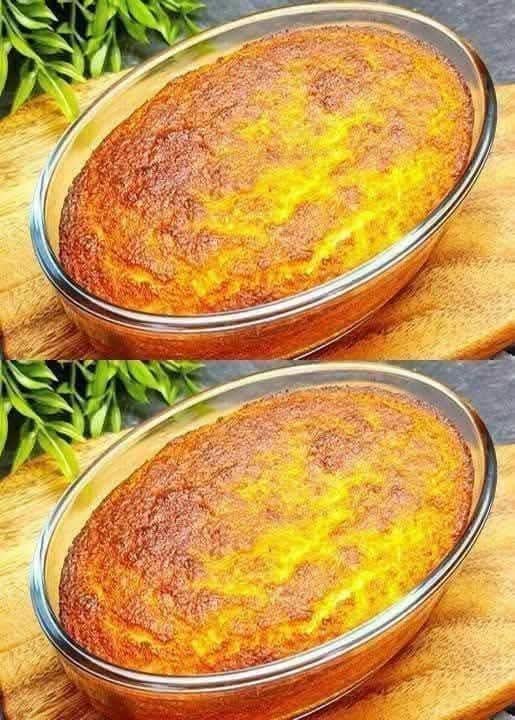
The cake in the picture has a beautiful golden-brown surface and a soft, yellow center. It’s baked in an oval glass dish, making it a lovely option for serving straight from the oven or cutting into simple homemade slices.
Honestly, you don’t always need frosting, fancy decorations, or expensive ingredients to make a delicious cake. With eggs, flour, sugar, milk, and a little vanilla, you can make a wonderfully tender cake that’s perfect alongside a cup of tea or coffee.
This homemade golden sponge cake is easy enough for beginners, uses everyday ingredients, and works beautifully as an afternoon treat, a simple dessert, or a sweet addition to a family breakfast.
Why You’ll Love This Golden Sponge Cake
- Simple ingredients: Everything is easy to find in a regular kitchen.
- Beautiful golden crust: The top bakes to a lovely golden-brown color.
- Soft and fluffy texture: Properly mixed eggs and careful baking help create a tender crumb.
- No complicated decorating: Serve it directly from the baking dish.
- Perfect for any occasion: Enjoy it with tea, coffee, fresh fruit, or a scoop of ice cream.
Ingredients for Homemade Golden Sponge Cake
This recipe makes approximately 8 servings and works well in a greased 8-inch round pan or a similar-sized oven-safe baking dish.
Dry Ingredients
- 1½ cups (190 g) all-purpose flour
- 2 teaspoons baking powder
- ¼ teaspoon salt
Wet Ingredients
- 3 large eggs, at room temperature
- ¾ cup (150 g) granulated sugar
- ½ cup (120 ml) milk, at room temperature
- ½ cup (115 g) unsalted butter, melted and slightly cooled
- 2 teaspoons vanilla extract
Optional Ingredients
- 1 teaspoon lemon zest for a fresh citrus flavor
- 1 tablespoon powdered sugar for serving
- A pinch of ground cinnamon for a lightly spiced variation
A little ingredient tip: I usually bring the eggs and milk to room temperature before mixing. They combine more easily, which helps produce a smoother batter and a more even cake texture.
Step-by-Step Instructions
Step 1: Preheat the Oven
Preheat your oven to 350°F (175°C).
Grease an 8-inch round baking pan or a similarly sized oven-safe dish with butter. If you prefer, line the bottom with parchment paper for easier removal.
If you’re using a glass baking dish like the one shown in the picture, make sure it’s specifically designed for oven use and follow the manufacturer’s temperature guidance.
Step 2: Combine the Dry Ingredients
In a medium bowl, whisk together the flour, baking powder, and salt.
This simple step distributes the baking powder throughout the flour, helping the cake rise more evenly.
Set the bowl aside while you prepare the wet ingredients.
Step 3: Beat the Eggs and Sugar
In a large mixing bowl, add the eggs and sugar.
Beat with a hand mixer for about 3–5 minutes, until the mixture becomes pale, thick, and slightly fluffy. If you’re mixing by hand, it may take a little longer.
This step is important because incorporating air into the eggs helps create a lighter cake.
I usually take my time here rather than rushing straight to the flour. A little extra care at this stage can make a noticeable difference in the final texture.
Step 4: Add the Butter, Milk, and Vanilla
Slowly pour in the melted butter while mixing on low speed.
Add the milk and vanilla extract, then mix just until everything is combined.
Make sure the melted butter isn’t piping hot. Very hot butter can affect the eggs and make the mixture less smooth.
If you’re adding lemon zest, stir it in at this stage.
Step 5: Fold in the Flour Mixture
Add the dry ingredients to the wet mixture in two or three additions.
Use a spatula or whisk on low speed to combine gently. Stop as soon as the flour disappears.
Avoid overmixing because too much stirring can make the cake dense instead of soft and tender.
The finished batter should be smooth and pourable.
Step 6: Pour the Batter into the Baking Dish
Pour the batter into your prepared dish and gently smooth the surface.
Tap the dish lightly on the counter to release any large air bubbles.
Leave enough room at the top for the cake to rise as it bakes.
Step 7: Bake Until Golden Brown
Place the dish on the middle rack of the preheated oven.
Bake for approximately 30–40 minutes, depending on the depth and material of your baking dish.
The top should become golden brown, and the center should feel set rather than liquid.
To check for doneness, insert a toothpick into the center. It should come out clean or with a few dry crumbs.
If the top browns before the center is cooked, loosely cover it with foil and continue baking until done.
Step 8: Let the Cake Cool
Remove the cake from the oven and let it rest for about 10–15 minutes.
If you’ve baked it in a serving dish, you can leave it right there and serve it in slices. If you’ve used a cake pan, allow it to cool before carefully removing it.
The cake will continue to settle slightly as it cools, making it easier to slice neatly.
Step 9: Serve and Enjoy
Once the cake has cooled enough to handle, cut it into slices.
You can serve it plain, sprinkle a little powdered sugar on top, or add fresh fruit and whipped cream.
The golden crust and soft interior make this cake delicious even without frosting. Sometimes, the simplest homemade cakes are the ones everyone reaches for first!
Tips for Making the Perfect Golden Sponge Cake
1. Use Room-Temperature Ingredients
Eggs and milk at room temperature generally blend more smoothly into the batter. This helps prevent the melted butter from firming up into little pieces when mixed with cooler ingredients.
2. Beat the Eggs and Sugar Properly
For a light texture, beat the eggs and sugar until pale and thick. This recipe also uses baking powder, so you don’t need to rely on eggs alone for the cake’s rise.
3. Measure the Flour Carefully
Too much flour can make the cake dry or heavy. For the best results, weigh the flour if you have a kitchen scale. Otherwise, spoon it into your measuring cup and level off the top.
4. Don’t Overmix the Batter
Once the flour has been added, mix gently. Overmixing develops gluten and can lead to a tougher texture.
5. Watch the Cake Toward the End of Baking
Every oven is different, and glass dishes may bake differently from metal pans. Begin checking around 30 minutes and adjust the baking time as needed.
6. Avoid Opening the Oven Too Early
Opening the oven door repeatedly during the first part of baking can cause temperature changes that affect the cake’s rise. Wait until the cake has started to set before checking it.
7. Let the Cake Rest Before Slicing
A few minutes of cooling helps the crumb settle. If you cut it while it’s piping hot, the slices may crumble more easily.
Delicious Ways to Serve Golden Sponge Cake
One reason I like this cake is that it works for so many occasions. You can keep it simple or dress it up depending on what you’re serving.
- With tea or coffee: A warm or room-temperature slice is perfect for an afternoon break.
- With fresh fruit: Strawberries, bananas, or sliced peaches add freshness.
- With whipped cream: A spoonful of lightly sweetened whipped cream makes it feel more like a special dessert.
- With vanilla ice cream: Serve a slightly warm slice with a scoop of ice cream for a comforting treat.
- With chocolate sauce: Drizzle a little chocolate sauce over the top for extra sweetness.
- With powdered sugar: A light dusting gives the cake a simple, elegant finish.
- For breakfast or brunch: Serve a modest slice with fruit and a cup of tea or coffee.
My favorite way to enjoy it is with a cup of hot tea and no elaborate toppings. The buttery flavor and golden crust are enough on their own.
Recipe Variations to Try
Vanilla Golden Cake
For a stronger vanilla flavor, use good-quality vanilla extract or vanilla bean paste. This version is lovely when served with fresh berries.
Lemon Sponge Cake
Add 1–2 teaspoons of finely grated lemon zest to the batter. The citrus gives the cake a fresh flavor that balances its sweetness.
Cinnamon Golden Cake
Add ½ teaspoon of ground cinnamon to the dry ingredients. This variation is especially comforting during cooler weather.
Chocolate Chip Sponge Cake
Fold ½ cup of chocolate chips into the batter just before pouring it into the baking dish. The chocolate melts slightly during baking and adds little pockets of sweetness.
Cardamom Cake
For a subtle aromatic flavor, add ¼ teaspoon of ground cardamom. It pairs beautifully with tea and gives the cake a gentle, fragrant twist.
How to Store Golden Sponge Cake
At room temperature: Once completely cool, cover the cake or store it in an airtight container for up to 2 days in a cool environment.
In the refrigerator: Store in an airtight container for up to 4–5 days. Refrigeration can make the cake feel firmer, so let individual slices sit at room temperature for 15–20 minutes before serving.
In the freezer: Wrap individual slices tightly and place them in a freezer-safe container or bag. Freeze for up to 2 months for best quality.
To thaw, leave a slice at room temperature until soft. You can warm it briefly in the microwave if you prefer a slightly warm cake.
Approximate Nutrition Information
The following estimates are based on 8 servings, using the ingredients listed above without optional toppings.
| Nutrient | Approximate amount per serving |
|---|---|
| Calories | 300 kcal |
| Carbohydrates | 39 g |
| Protein | 5 g |
| Total fat | 14 g |
| Saturated fat | 7 g |
| Sugar | 20 g |
| Fiber | 1 g |
| Sodium | 180 mg |
These are estimates, not laboratory-tested values. Actual nutrition will vary with ingredient brands, serving size, and optional additions.
Frequently Asked Questions
1. Why did my sponge cake turn out dense?
A dense cake can result from overmixing the flour, using too much flour, or not beating the eggs and sugar sufficiently. Make sure your baking powder is fresh, measure ingredients accurately, and fold the flour in gently.
2. Can I make this golden sponge cake without a hand mixer?
Yes! You can make it with a balloon whisk and some patience. Beat the eggs and sugar thoroughly until the mixture looks pale and thick, then mix in the remaining ingredients gently. A hand mixer makes the process easier, but it isn’t essential.
3. Can I bake this cake in a glass dish?
Yes, provided the dish is oven-safe. Glass dishes can retain heat differently from metal pans, so baking times may vary. Start checking the cake around 30 minutes, and follow the manufacturer’s instructions for safe oven temperatures.
4. How do I know when the cake is fully baked?
Look for a golden-brown surface and a center that feels set. Insert a toothpick into the middle of the cake; it should come out clean or with a few crumbs rather than wet batter. Avoid relying on the top color alone because the outside can brown before the center is ready.
5. Can I prepare this cake a day in advance?
Absolutely! Let the cake cool completely, then cover it well and store it at room temperature if your kitchen is cool. It makes an easy make-ahead dessert for family gatherings, afternoon tea, or unexpected guests. Add powdered sugar or other toppings shortly before serving.