
Classic Moist Fruit Cake Recipe

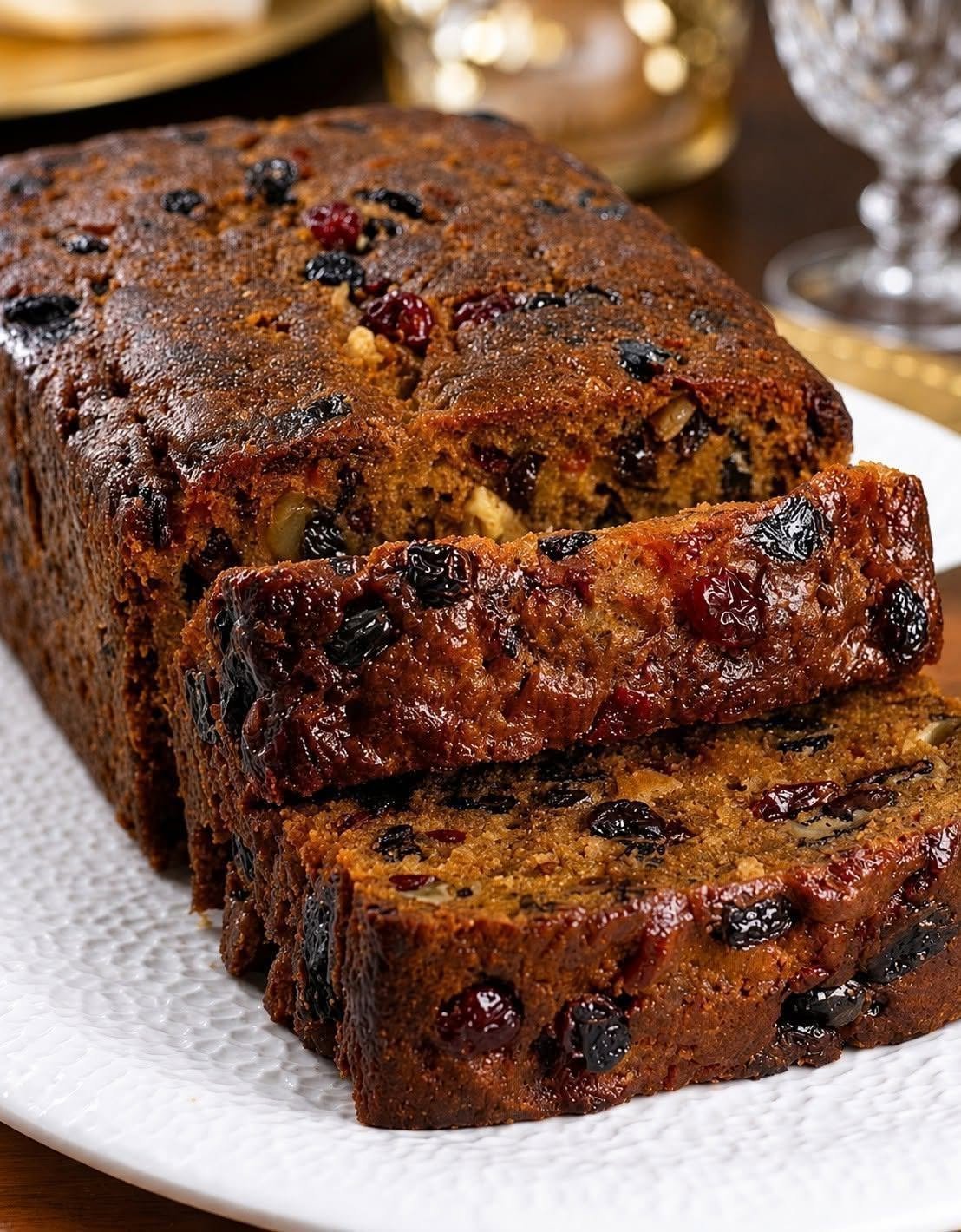
Classic Moist Fruit Cake Recipe
There’s something special about a homemade fruit cake. It’s rich, beautifully golden-brown, full of sweet dried fruits, and has that lovely aroma of warm spices that fills the kitchen while it bakes. Honestly, it’s one of those old-fashioned recipes that never goes out of style.
I usually think of fruit cake as the kind of dessert that makes an ordinary cup of tea feel a little more special. Whether you’re preparing it for Christmas, serving it to guests, or simply craving a slice of something sweet in the afternoon, this classic fruit cake is always a good choice.
The best part? You don’t need fancy equipment or complicated baking techniques to make it. With a few everyday ingredients, some dried fruit, and a little patience, you can bake a moist, flavorful cake that looks just as beautiful as it tastes.
This recipe makes a rich, dense fruit cake similar to the one in the picture, with a golden-brown crust and plenty of raisins, cherries, and nuts in every slice. It’s delicious fresh from the oven and tastes even better after the flavors have had time to settle.
Why You’ll Love This Fruit Cake Recipe
- Rich and fruity: Every slice is packed with sweet raisins, chewy dried fruit, and crunchy nuts.
- Moist and tender: Butter, eggs, and the right balance of ingredients help keep the cake soft.
- Full of warm flavor: Cinnamon, nutmeg, and vanilla give it that comforting homemade taste.
- Perfect for special occasions: Serve it at Christmas, family gatherings, birthdays, or afternoon tea.
- Easy to prepare: You don’t need a stand mixer or professional baking skills.
- Keeps well: When stored properly, this cake stays delicious for several days.
Preparation and Cooking Time
- Preparation time: 25 minutes
- Fruit soaking time: 30 minutes (optional)
- Baking time: 75–95 minutes
- Cooling time: 1 hour
- Total time: Approximately 2 hours 30 minutes, including optional soaking
- Servings: 12 slices
- Difficulty: Easy to moderate
Ingredients for Homemade Moist Fruit Cake
These quantities make one medium-to-large loaf or a similar-sized round cake.
Dry Ingredients
- 2 cups (250 g) all-purpose flour
- 1 teaspoon baking powder
- 1 teaspoon ground cinnamon
- ½ teaspoon ground nutmeg
- ¼ teaspoon ground cloves (optional)
- ¼ teaspoon salt
Wet Ingredients
- ¾ cup (170 g) unsalted butter, softened
- ¾ cup (150 g) brown sugar
- 3 large eggs, at room temperature
- 1 teaspoon vanilla extract
- ¼ cup (60 ml) milk or orange juice
- 2 tablespoons honey or molasses (optional, for extra richness)
Dried Fruits and Nuts
- 1 cup (150 g) raisins
- ½ cup (75 g) chopped dates or dried figs
- ½ cup (75 g) dried cranberries or chopped candied cherries
- ½ cup (60 g) chopped walnuts or almonds
- ¼ cup (40 g) mixed candied peel (optional)
Optional Fruit Glaze
- 2 tablespoons apricot jam
- 1 teaspoon warm water
You can easily adjust the fruit mixture depending on what you have in your pantry. I usually like combining dark raisins with cherries because the color contrast looks beautiful when the cake is sliced.
How to Make Moist Fruit Cake Step by Step
Step 1: Prepare the Dried Fruits
Start by measuring your raisins, dates, dried cranberries, cherries, and candied peel.
If the dried fruit feels particularly hard or dry, place it in a bowl and cover it with warm orange juice or water. Let it soak for about 30 minutes, then drain it thoroughly and pat it dry.
This little step helps soften the fruit and gives the finished cake a more pleasant texture. If your fruit is already soft, you can skip soaking.
Step 2: Preheat the Oven and Prepare the Pan
Preheat your oven to 160°C (320°F).
Grease a loaf pan or an approximately 8-inch round cake pan with butter. Line the bottom and sides with baking parchment.
Fruit cake needs a little more care than a light sponge cake because it is dense and takes longer to bake. I usually prefer a lower oven temperature so the middle has enough time to cook without the outside becoming too dark.
Step 3: Mix the Dry Ingredients
In a medium bowl, combine the flour, baking powder, cinnamon, nutmeg, cloves, and salt.
Whisk everything together until evenly mixed. Set the bowl aside.
Mixing the dry ingredients separately helps distribute the spices and baking powder throughout the cake, so you don’t end up with pockets of spice or uneven rising.
Step 4: Cream the Butter and Sugar
In a large mixing bowl, beat the softened butter and brown sugar for about 3–4 minutes, until the mixture looks lighter and creamy.
Add the eggs one at a time, beating well after each addition. Stir in the vanilla extract and honey or molasses, if using.
Don’t worry if the mixture looks slightly curdled after adding the eggs. A small amount of separation isn’t unusual, especially if the ingredients are at different temperatures.
Step 5: Add the Flour and Milk
Add the dry ingredients to the butter mixture in two or three additions, alternating with the milk or orange juice.
Mix gently with a spatula or wooden spoon until the flour is just incorporated.
Try not to overmix at this stage. Too much mixing can make the cake heavier and tougher than necessary.
The batter should be thick enough to hold the fruit without becoming runny.
Step 6: Fold in the Fruit and Nuts
Add the prepared dried fruits and chopped nuts to the batter.
Fold gently until everything is evenly distributed. Make sure the fruit is spread throughout the mixture rather than sitting in one large cluster.
If you like a particularly fruity cake, reserve a small handful of cherries or raisins to scatter over the top before baking.
Step 7: Transfer the Batter to the Pan
Spoon the batter into your prepared cake pan and spread it evenly with a spatula.
Tap the pan gently on the counter to release any large air pockets.
Smooth the top, then add a few extra dried cherries or raisins if you want that attractive fruit-studded finish.
Step 8: Bake Until Golden Brown
Place the pan on the middle rack of your preheated oven.
Bake for approximately 75–95 minutes, depending on the size and depth of your pan and the moisture content of your fruit.
Start checking the cake around the 70-minute mark. If the top is browning too quickly, loosely cover it with aluminum foil and continue baking.
Insert a skewer into the center. It should come out without wet batter, although a few moist crumbs are perfectly fine.
If the center is still wet, give the cake another 10 minutes and check again.
Step 9: Cool the Cake Properly
Remove the cake from the oven and leave it in the pan for about 15–20 minutes.
Carefully transfer it to a wire rack and allow it to cool completely before slicing.
I know it’s tempting to cut into a freshly baked fruit cake, especially when it smells so good, but letting it cool makes a real difference. The crumb becomes firmer, the slices hold together better, and the fruit is less likely to pull out of the cake.
Step 10: Add the Optional Glaze
For a glossy finish, warm the apricot jam with one teaspoon of water until smooth.
Brush a thin layer over the cooled cake.
This step is optional, but it gives the fruit cake a lovely shine and makes it look especially inviting when served to guests.
My Best Tips for a Perfect Fruit Cake
1. Use Room-Temperature Ingredients
Softened butter and room-temperature eggs blend more easily, creating a smoother batter. Take them out of the refrigerator about 30 minutes before baking.
2. Don’t Skip the Spices
Cinnamon and nutmeg add warmth without overpowering the fruit. A tiny amount of ground cloves can give the cake an old-fashioned bakery-style aroma.
If you’re not a fan of cloves, leave them out.
3. Coat the Fruit Lightly With Flour
If your dried fruit tends to sink, toss it with about one tablespoon of the measured flour before folding it into the batter. This can help distribute the fruit more evenly.
4. Avoid Overbaking
Fruit cake can dry out if it stays in the oven too long. Check it toward the end of the baking time, and remember that a few moist crumbs on the skewer are fine.
5. Let the Flavors Develop
Honestly, fruit cake is one of those bakes that often tastes even better the next day. Once completely cool, wrap it tightly and leave it at room temperature overnight in a cool kitchen, provided your ingredients and storage conditions are suitable.
The fruit, spices, and buttery crumb have time to settle together, making each slice taste richer.
6. Choose Fruit You Actually Enjoy
You don’t have to follow the fruit list exactly. Raisins, sultanas, chopped dates, dried apricots, cranberries, and candied cherries all work well.
Just keep the total quantity of fruit reasonably close to the recipe so the cake structure remains balanced.
Variations You Can Try
Traditional Christmas Fruit Cake
Replace some of the milk with orange juice, add mixed candied peel, and include extra warm spices. For an adult version, some of the dried fruit can be soaked in a suitable spirit before baking.
Eggless Fruit Cake
Use a tested eggless fruit cake recipe rather than simply removing the eggs. Eggs contribute structure and moisture, so you’ll need an appropriate substitute and adjusted ingredient proportions.
Nut-Free Fruit Cake
Leave out the walnuts or almonds and replace them with an equal quantity of additional dried fruit if desired.
Orange Fruit Cake
Add one teaspoon of finely grated orange zest and use orange juice in place of the milk. Orange pairs beautifully with raisins, cherries, and cinnamon.
Dark, Rich Fruit Cake
Use dark brown sugar and a tablespoon of molasses. These ingredients deepen the color and add a richer, slightly caramel-like flavor.
What to Serve With Fruit Cake
One of the nicest things about homemade fruit cake is how easily it fits into different occasions.
- With tea or coffee: A simple slice alongside a hot cup of tea is my favorite everyday option.
- With whipped cream: Add a spoonful of lightly sweetened whipped cream for an easy dessert.
- With vanilla ice cream: The cold, creamy texture contrasts beautifully with the rich cake.
- With custard: Warm custard turns a slice of fruit cake into a comforting pudding-style dessert.
- With fresh fruit: Orange segments, strawberries, or sliced apples add freshness.
- As part of a holiday dessert table: Arrange slices on a platter with cookies, nuts, and other festive treats.
For a beautiful presentation, cut the cake into even slices and arrange them slightly overlapping on a white serving plate. The dark fruit and golden crumb look particularly attractive this way.
How to Store Homemade Fruit Cake
At Room Temperature
Allow the cake to cool completely, then wrap it tightly or place it in an airtight container. Store it in a cool, dry place and enjoy it within about 3–4 days.
If your kitchen is hot or humid, refrigeration is the safer option.
In the Refrigerator
Wrap the cake well or place it in an airtight container. It will generally keep well for around one week when refrigerated.
For the best texture, let individual slices come closer to room temperature before serving.
In the Freezer
Fruit cake freezes well. Wrap the completely cooled cake tightly in plastic wrap, then place it in a freezer-safe bag or container.
Freeze for up to 3 months for good quality. You can freeze the whole cake or individual slices.
Thaw in the refrigerator or at room temperature while still wrapped, following appropriate food-safety practices.
Important: Cakes containing fresh dairy-based fillings, cream, or other perishable toppings need refrigeration. Discard the cake if you notice mold, an unusual smell, or other signs of spoilage.
Common Fruit Cake Problems and How to Fix Them
Why is my fruit cake dry?
It may have been overbaked, or the flour may have been measured too heavily. Check the cake early and measure ingredients accurately.
Why did my fruit sink to the bottom?
The batter may be too thin, or the fruit may be excessively wet. Drain soaked fruit thoroughly, pat it dry, and toss it with a little flour before folding it in.
Why is the middle still wet?
Dense fruit cakes need time for heat to reach the center. Continue baking in short intervals and cover the top with foil if it is already dark enough.
Why is my fruit cake crumbly?
It may have been sliced while warm, or the ingredient balance may be off. Let it cool completely and measure the flour and wet ingredients carefully.
Why is the top too dark?
The oven may be too hot, or the cake may be positioned too close to the top heating element. Bake on the middle rack and cover loosely with foil if needed.
Nutrition Information
The following nutrition values are estimates for one of 12 slices made using the ingredients listed above, including dried fruit and nuts but excluding the optional glaze.
- Calories: 330 kcal
- Carbohydrates: 48 g
- Protein: 5 g
- Fat: 13 g
- Saturated fat: 7 g
- Fiber: 3 g
- Sugar: 30 g
- Sodium: 100 mg
Actual nutrition will vary depending on the types of dried fruit, nuts, and sweeteners used, as well as the final slice size.
Frequently Asked Questions
1. Can I make fruit cake ahead of time?
Yes! Fruit cake is a great make-ahead dessert. You can bake it one or two days before serving and store it in an airtight container. Many people enjoy the flavor even more after the cake has rested overnight.
2. Do I have to soak the dried fruits?
No, soaking is optional. It helps soften particularly dry fruit and can add flavor, but soft raisins, dates, and cherries can go straight into the batter. If you soak the fruit, drain and dry it well before adding it.
3. Can I use oil instead of butter?
Butter gives fruit cake its traditional rich flavor and texture. Oil can work in some recipes, but it changes the crumb and flavor, so I recommend using a recipe specifically developed for oil if you want to make that substitution.
4. How do I know when fruit cake is fully baked?
Insert a skewer into the center of the cake. It should come out without wet batter. A few moist crumbs are fine. If the center is wet, continue baking and check again after another 10 minutes.
5. Can I make this fruit cake without alcohol?
Absolutely. This recipe doesn’t require alcohol. You can soak the dried fruit in orange juice or warm water if you want it softer, or skip soaking entirely. The result will still be rich, fruity, and delicious.