
Easy Vanilla Custard Pull-Apart Cake

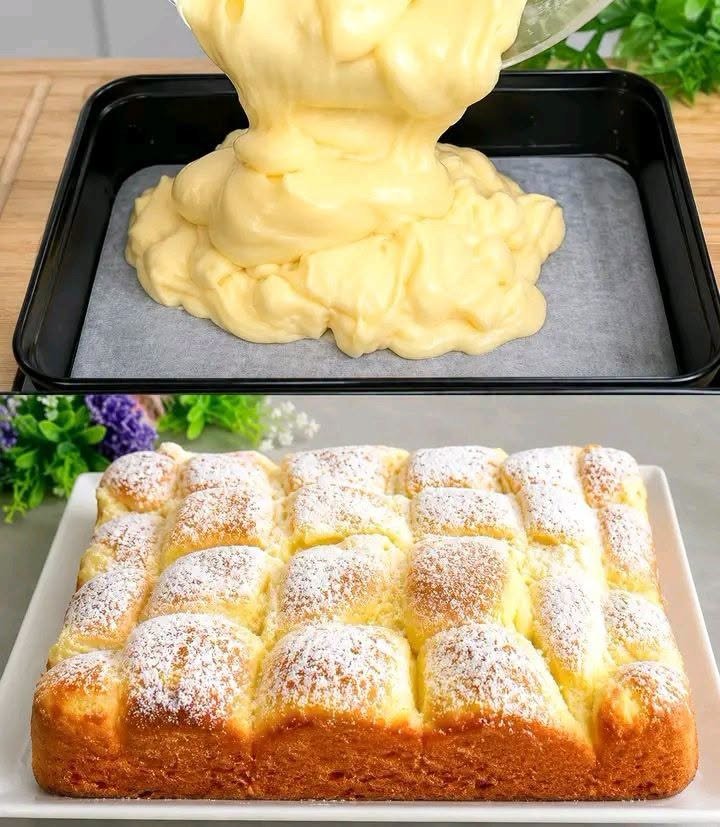
If you love soft, fluffy desserts with a creamy vanilla flavor, this Vanilla Custard Pull-Apart Cake is definitely worth trying!
Honestly, I love recipes like this because they look beautiful when served but don’t require complicated decorating or fancy ingredients. The little golden squares are wonderfully soft, lightly sweet, and filled with a delicious creamy texture.
I usually enjoy serving this cake with a warm cup of coffee or tea in the afternoon. A light dusting of powdered sugar makes it look extra special, and everyone can simply pull apart a piece and enjoy it.
The best part? You can prepare it with simple pantry ingredients, and your kitchen will smell amazing while it bakes.
Ingredients
This recipe makes approximately 16–20 soft custard squares.
For the soft bread dough
-
3 cups (375 g) all-purpose flour
-
¼ cup (50 g) granulated sugar
-
2¼ teaspoons instant yeast
-
½ teaspoon salt
-
¾ cup (180 ml) warm milk
-
1 large egg
-
¼ cup (56 g) unsalted butter, softened
-
1 teaspoon vanilla extract
For the creamy vanilla custard
-
2 cups (480 ml) whole milk
-
3 egg yolks
-
½ cup (100 g) granulated sugar
-
3 tablespoons cornstarch
-
2 tablespoons unsalted butter
-
1 teaspoon vanilla extract
For the topping
-
2 tablespoons powdered sugar
-
A little melted butter (optional)
Step-by-Step Instructions
Step 1: Prepare the vanilla custard
-
Pour the milk into a saucepan and heat over medium-low heat until warm. Do not let it boil.
-
In a separate bowl, whisk together the egg yolks, sugar, and cornstarch until smooth.
-
Slowly pour a little warm milk into the egg mixture while whisking continuously.
-
Return everything to the saucepan.
-
Cook over medium-low heat, stirring constantly, until the mixture becomes thick, smooth, and creamy.
-
Remove from the heat and stir in the butter and vanilla extract.
-
Transfer the custard to a bowl and cover the surface with plastic wrap to prevent a skin from forming. Let it cool completely.
Step 2: Make the dough
-
In a large mixing bowl, combine the flour, sugar, instant yeast, and salt.
-
Add the warm milk, egg, and vanilla extract.
-
Mix until a soft dough forms.
-
Add the softened butter gradually and knead for 8–10 minutes until the dough becomes smooth and elastic.
-
Cover the bowl with a clean kitchen towel.
-
Allow the dough to rise in a warm place for approximately 60–90 minutes, or until doubled in size.
Step 3: Shape the custard squares
-
Grease a rectangular baking pan approximately 9 × 13 inches.
-
Gently punch down the risen dough to release excess air.
-
Roll the dough into a rectangle that fits your baking pan.
-
Transfer it into the prepared pan and gently press it into the corners.
-
Use a knife or dough scraper to lightly mark the surface into approximately 16–20 squares without cutting all the way through.
-
Spoon or pipe the cooled vanilla custard into the marked sections, gently pressing some custard into the gaps.
-
Cover loosely and let the dough rise again for 25–35 minutes.
Step 4: Bake until golden
-
Preheat your oven to 350°F (175°C).
-
Bake for approximately 25–30 minutes, or until the top is beautifully golden brown and the bread is cooked through.
-
If the top starts browning too quickly, loosely cover it with aluminum foil.
-
Remove from the oven and brush lightly with melted butter if desired.
-
Allow the cake to cool for at least 15–20 minutes before serving.
Step 5: Add the finishing touch
Once slightly cooled, dust the top generously with powdered sugar.
Separate the soft squares along their natural edges and serve while fresh. The combination of fluffy bread and creamy vanilla custard makes every bite delicious!
Cooking Tips for the Best Results
Use warm, not hot, milk: Milk that is too hot can damage the yeast. It should feel comfortably warm to the touch.
Let the dough rise properly: Give the dough enough time to become light and fluffy. This is the secret to a soft texture.
Cool the custard completely: Warm custard can make the dough difficult to handle and affect its texture.
Whisk continuously: Stirring the custard prevents lumps and helps create a silky-smooth filling.
Avoid overbaking: Bake just until golden and cooked through. Overbaking can make the bread dry.
Use fresh vanilla: Good-quality vanilla extract gives the custard a lovely bakery-style aroma.
Serving Suggestions
I love serving these vanilla custard squares slightly warm with a fresh cup of coffee. They are also delicious with:
-
Hot tea or cappuccino.
-
Fresh strawberries, raspberries, or blueberries.
-
A drizzle of caramel sauce.
-
A little extra vanilla custard on the side.
-
Fresh whipped cream.
-
A glass of cold milk.
They are perfect for weekend breakfasts, afternoon tea, family gatherings, potlucks, and holiday dessert tables.
Nutrition Information
Approximate values per serving, based on 16 servings.
| Nutrient | Amount |
|---|---|
| Calories | 205 kcal |
| Carbohydrates | 30 g |
| Protein | 5 g |
| Fat | 7 g |
| Saturated Fat | 4 g |
| Sugar | 13 g |
| Fiber | 1 g |
| Sodium | 125 mg |
Nutrition values are estimates and may vary depending on the ingredients and portion sizes.
Frequently Asked Questions
1. Can I make vanilla custard pull-apart cake ahead of time?
Yes! You can prepare the custard a day ahead and refrigerate it in an airtight container. I recommend making and baking the bread fresh for the softest texture.
2. How do I store leftover custard cake?
Because this recipe contains homemade egg custard, store leftovers in an airtight container in the refrigerator for up to 3 days.
3. Can I use instant pudding instead of homemade custard?
Absolutely! Instant vanilla pudding is a convenient alternative. Prepare it according to the package instructions and allow it to thicken before using.
4. Can I freeze this dessert?
Yes, you can freeze baked and completely cooled portions in an airtight freezer-safe container for up to 2 months. Thaw overnight in the refrigerator and warm gently before serving.
5. How do I know when the cake is fully baked?
The top should be golden brown, and the bread should feel set and spring back lightly when touched. You can also check the center with a food thermometer; the bread should reach approximately 190°F (88°C).