
Perfect Poached Eggs on Toast

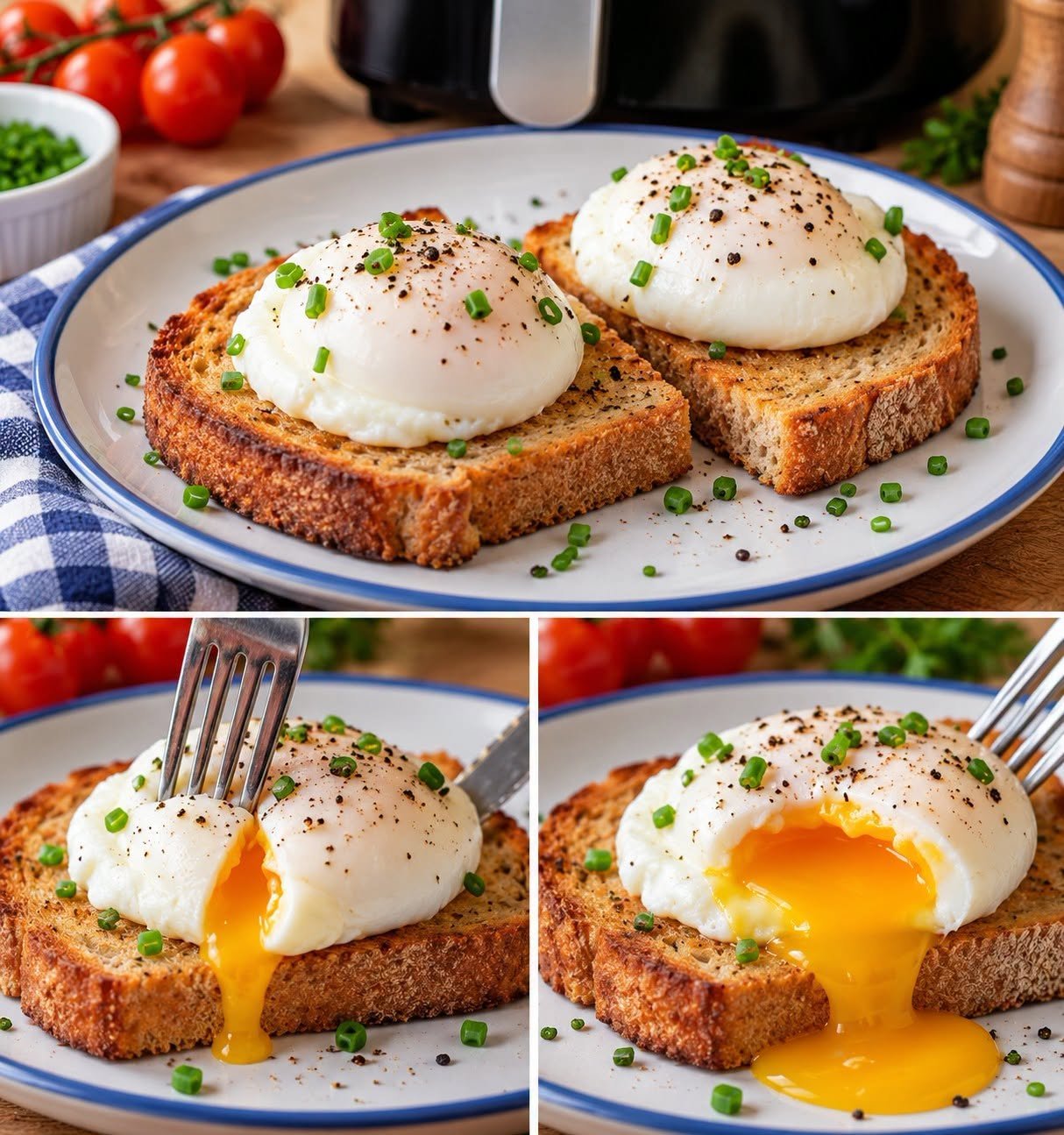
There is something special about starting the morning with a plate of perfectly poached eggs on crispy toast. The combination of soft, delicate egg whites, rich golden yolks, and crunchy toasted bread is honestly one of my favorite ways to enjoy breakfast.
If you’ve ever cut into a poached egg and watched that beautiful golden yolk slowly spill over a slice of warm toast, you know exactly what I mean!
I usually make this recipe when I want something satisfying without spending too much time in the kitchen. It looks like something you’d order at a fancy brunch café, but it’s surprisingly simple to prepare at home.
The secret is getting the egg whites set while keeping the yolks deliciously runny. Serve them over golden-brown whole wheat toast, sprinkle with freshly chopped chives, and finish with a little black pepper.
Whether you’re preparing a quick weekday breakfast, a relaxed weekend brunch, or a light lunch, these poached eggs on toast are always a great choice.
Let’s make them!
Why You’ll Love This Poached Eggs on Toast Recipe
- Quick and easy: You can prepare this delicious breakfast in about 15 minutes.
- Simple ingredients: All you need are eggs, bread, a little vinegar, and basic seasonings.
- Beautiful presentation: It looks impressive without requiring complicated cooking techniques.
- Nutritious and satisfying: Eggs provide protein, while whole wheat toast adds fiber and carbohydrates.
- Customizable: Add avocado, tomatoes, cheese, or your favorite herbs to make it your own.
Preparation and Cooking Time
| Details | Time |
|---|---|
| Preparation time | 5 minutes |
| Cooking time | 5–7 minutes |
| Total time | 10–12 minutes |
| Servings | 2 |
| Difficulty | Easy |
Ingredients You’ll Need
You only need a handful of everyday ingredients to make this delicious breakfast.
Main Ingredients
- 2 large fresh eggs
- 2 slices whole wheat or sourdough bread
- 1 tablespoon white vinegar (for poaching)
- 1 teaspoon butter or olive oil (optional)
- 1 tablespoon fresh chopped chives
- Salt, to taste
- Freshly ground black pepper, to taste
Optional Toppings
- ½ avocado, sliced
- Cherry tomatoes, halved
- A pinch of red chili flakes
- A little grated Parmesan cheese
- Fresh parsley or coriander
- A drizzle of extra virgin olive oil
A little ingredient tip: I usually recommend using fresh eggs because their whites hold together better when poaching. This makes it easier to achieve that lovely rounded shape.
How to Make Perfect Poached Eggs on Toast
Follow these simple steps to prepare beautifully poached eggs with soft centers and golden, runny yolks.
Step 1: Prepare the Bread
Start by toasting your bread slices until they become golden brown and crispy.
You can use a regular toaster, a skillet, or an oven.
If you prefer a little extra flavor, spread a thin layer of butter or drizzle some olive oil over the toast.
Set the toasted bread aside while you prepare the eggs.
My tip: I like using whole wheat or sourdough bread because it provides a slightly nutty flavor and holds up nicely under the soft poached eggs.
Step 2: Heat the Water
Fill a medium-sized saucepan with approximately 3–4 inches of water.
Place it over medium heat and bring the water to a gentle simmer.
Add one tablespoon of white vinegar and stir gently.
You don’t want the water to boil aggressively. Strong bubbles can break apart the delicate egg whites, so a gentle simmer is best.
Step 3: Prepare the Eggs
Crack each egg into a separate small bowl or ramekin.
This makes it much easier to transfer the eggs into the water without breaking the yolks.
I usually check that there are no broken yolks before starting the poaching process.
For the neatest results, use fresh, cold eggs.
Step 4: Poach the Eggs
Create a gentle whirlpool in the simmering water by stirring it in a circular motion with a spoon.
Carefully slide one egg into the center of the water.
Allow it to cook for approximately 3–4 minutes, depending on how runny you like your yolk.
The egg white should become firm and set, while the center remains soft and golden.
Use a slotted spoon to carefully lift the egg out of the water.
Repeat the same process with the second egg.
Important: Avoid overcrowding the saucepan. Cooking one egg at a time gives you better control and helps maintain a beautiful shape.
Step 5: Drain the Eggs
Place the poached eggs briefly on a paper towel to remove excess water.
Be gentle because the whites are delicate and the yolks are still soft.
This small step helps prevent your toast from becoming soggy.
Step 6: Assemble the Toast
Place the crispy bread slices on serving plates.
Carefully position one poached egg on top of each slice.
Sprinkle with freshly chopped chives, salt, and freshly ground black pepper.
For extra flavor, add a little chili flakes or grated Parmesan cheese.
Step 7: Serve and Enjoy!
Serve immediately while the toast is still warm and crispy.
When you cut into the eggs, the beautiful golden yolks should flow over the toast, creating a delicious combination of creamy and crunchy textures.
Honestly, this is the best part of the whole recipe!
Tips for Perfect Poached Eggs Every Time
Poaching eggs can seem intimidating at first, but a few simple tricks make the process much easier.
1. Always Use Fresh Eggs
Fresh eggs have thicker whites, which help them hold their shape in the water.
Older eggs tend to spread out more, making them harder to poach neatly.
2. Keep the Water at a Gentle Simmer
One of the biggest mistakes is allowing the water to boil too rapidly.
Gentle simmering keeps the eggs intact and helps the whites cook evenly.
3. Use a Small Bowl
Cracking eggs directly into a saucepan can be tricky.
I recommend cracking each egg into a small bowl first. This gives you better control when transferring it into the water.
4. Don’t Skip Draining
Excess water can make your toast soggy.
A quick rest on a paper towel helps keep everything crisp and delicious.
5. Adjust the Cooking Time
- 2–3 minutes: Very soft whites and runny yolks.
- 3–4 minutes: Set whites with beautifully runny yolks.
- 5 minutes: Firmer whites and thicker yolks.
Cooking times can vary depending on egg size and water temperature.
6. Serve Immediately
Poached eggs taste best when freshly prepared. The longer they sit, the more their yolks continue to firm up.
Delicious Variations to Try
One of my favorite things about this recipe is how easy it is to customize.
Here are a few tasty variations:
Avocado Poached Eggs on Toast
Spread mashed avocado over the toast before adding the poached egg. Finish with black pepper and chili flakes for a creamy, flavorful breakfast.
Cheesy Poached Eggs on Toast
Sprinkle Parmesan, cheddar, or feta cheese over the warm toast before placing the egg on top.
Tomato and Herb Poached Eggs
Add sliced cherry tomatoes and fresh parsley or basil for a fresh Mediterranean-inspired twist.
Spicy Poached Eggs on Toast
Add red chili flakes, paprika, or a drizzle of hot sauce if you enjoy a little heat in your breakfast.
Garlic Butter Toast with Poached Eggs
Brush your bread with homemade garlic butter before toasting. The rich garlic flavor pairs wonderfully with the creamy egg yolk.
What to Serve with Poached Eggs on Toast
Although this recipe is delicious on its own, you can easily turn it into a complete breakfast or brunch spread.
Here are some of my favorite serving ideas:
- Fresh fruit: Serve with strawberries, oranges, bananas, or seasonal fruit.
- Cherry tomatoes: Add fresh or lightly roasted cherry tomatoes for extra flavor.
- Avocado slices: A creamy addition that pairs beautifully with runny egg yolks.
- Sautéed mushrooms: Their savory flavor makes this breakfast even more satisfying.
- Crispy turkey bacon: A delicious option if you enjoy a savory breakfast.
- Fresh salad: Serve with a simple green salad for a light lunch.
For a weekend brunch, I love serving these eggs with fresh orange juice and a cup of hot coffee.
Storage and Reheating Tips
Poached eggs are best enjoyed immediately, but you can prepare certain parts of the recipe ahead of time.
Storing poached eggs: If you need to prepare the eggs in advance, transfer freshly cooked eggs into a bowl of ice water to stop the cooking process. Refrigerate promptly in a covered container and use within 2 days.
Reheating: To warm refrigerated poached eggs, place them in hot water for approximately 30–60 seconds, until warmed through. Avoid boiling them because this can overcook the yolks.
Storing toast: Toast is best made fresh. Store leftover bread separately and toast it again when needed.
Always refrigerate cooked eggs promptly and avoid leaving them at room temperature for extended periods.
Nutrition Information (Approximate Per Serving)
The following nutritional information is estimated for one serving consisting of one large poached egg and one slice of whole wheat toast, without optional toppings.
| Nutrient | Amount |
|---|---|
| Calories | 180 kcal |
| Protein | 10 g |
| Carbohydrates | 17 g |
| Fat | 7 g |
| Saturated Fat | 2 g |
| Fiber | 3 g |
| Sugar | 2 g |
| Sodium | 220 mg |
Nutrition values vary depending on the type of bread, egg size, and additional toppings.
Frequently Asked Questions (FAQs)
1. How long does it take to poach an egg?
Most eggs take approximately 3–4 minutes to poach in gently simmering water. This usually produces firm whites with a soft, runny yolk. If you prefer a firmer yolk, cook for an additional minute or two.
2. Do I need vinegar to poach eggs?
No, vinegar is optional, but it can help the egg whites set more quickly and stay together. If you use fresh eggs, you can often achieve good results without vinegar.
3. Why do my poached eggs fall apart in water?
This usually happens when the eggs aren’t fresh or the water is boiling too vigorously. Use fresh eggs, maintain a gentle simmer, and carefully slide each egg into the water from a small bowl.
4. Can I make poached eggs ahead of time?
Yes! You can poach eggs ahead of time, cool them in ice water, and refrigerate them in a covered container for up to 2 days. Reheat briefly in hot water before serving.
5. What is the best bread for poached eggs on toast?
Whole wheat, sourdough, multigrain, and rustic country bread are all excellent choices. I personally recommend sourdough or whole wheat because they toast beautifully and provide a sturdy base for the soft eggs.