
Creamy Scrambled Eggs on Toast Recipe

Some mornings, all I want is something warm, simple, and comforting, and honestly, scrambled eggs on toast never disappoint. There’s something about soft, buttery eggs piled onto a slice of golden-brown toast that makes an ordinary morning feel a little more special.
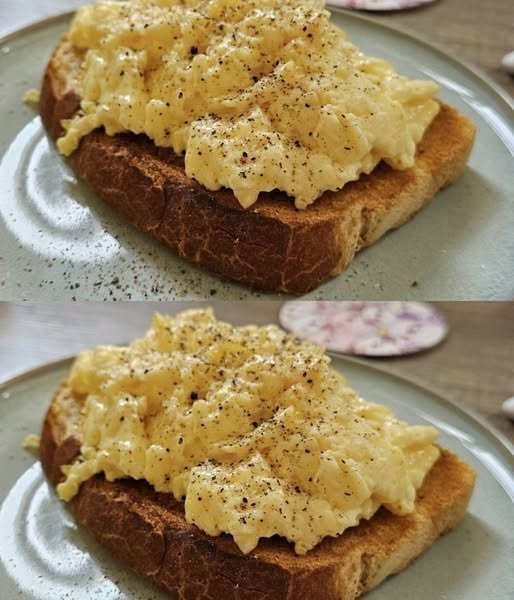
This recipe is inspired by the delicious plate in the picture: thick, crispy toast topped with generous spoonfuls of creamy scrambled eggs and a sprinkle of freshly cracked black pepper. It’s simple food, but when you get the texture right, it’s incredibly satisfying.
I usually make scrambled eggs when I’m short on time but still want a proper breakfast. The ingredients are basic, the cooking takes only a few minutes, and you can easily adjust the recipe to suit your taste. My biggest tip? Cook the eggs gently and take them off the heat while they’re still slightly glossy. They continue cooking from the residual heat, leaving you with soft, tender curds instead of dry, rubbery eggs.
Whether you’re making breakfast before work, preparing a lazy weekend brunch, or looking for a quick snack, this easy scrambled eggs on toast recipe is one you’ll want to keep coming back to.
Why You’ll Love This Recipe
- Ready in 10 minutes: Perfect for busy mornings when you need something quick.
- Creamy and buttery: Gentle cooking keeps the eggs soft and tender.
- Simple ingredients: You only need a few everyday kitchen staples.
- Easy to customize: Add cheese, herbs, chili flakes, or your favorite toppings.
- Filling and satisfying: Eggs provide protein, while toast adds carbohydrates for energy.
Ingredients You’ll Need
This recipe makes 2 servings.
- 4 large eggs
- 2 thick slices of bread
- 2 tablespoons butter, divided
- 2 tablespoons milk or cream (optional)
- ¼ teaspoon salt, or to taste
- ¼ teaspoon freshly ground black pepper, or to taste
Ingredient Notes
Eggs: Fresh, large eggs are ideal for this recipe. They provide the rich flavor and soft texture that make scrambled eggs so delicious.
Bread: I usually choose thick-cut white bread or sourdough because it holds the eggs nicely without becoming soggy too quickly. Whole-wheat bread is another great option.
Butter: Butter adds richness and helps keep the eggs tender. You can use a little olive oil instead if you prefer.
Milk or cream: This is optional. A small splash can make the eggs taste richer, but you can absolutely make delicious scrambled eggs without it.
Black pepper: Freshly cracked black pepper adds a little warmth and gives the finished dish the classic look shown in the picture.
Salt: Season the eggs to taste. A little goes a long way, especially if you plan to add cheese or other salty toppings.
How to Make Creamy Scrambled Eggs on Toast
Step 1: Prepare the Eggs
Crack the eggs into a medium bowl. Add the salt and milk or cream, if using.
Whisk with a fork or whisk until the yolks and whites are fully combined. You don’t need to beat them excessively; just make sure the mixture is evenly blended.
I usually prepare everything before turning on the stove because scrambled eggs cook surprisingly quickly. Having the bread and butter ready makes the whole process easier.
Step 2: Toast the Bread
Toast the bread slices until golden brown and crisp around the edges.
You can use a toaster, a grill, or a frying pan. If you’re using a pan, spread a little butter over the bread and toast both sides until nicely browned.
Place the toast on serving plates and keep it warm while you prepare the eggs.
For the best texture, I prefer toast that’s crisp on the outside but still slightly soft in the middle. It provides a lovely contrast to the creamy eggs.
Step 3: Melt the Butter
Place a nonstick frying pan over low to medium-low heat.
Add 1 tablespoon of butter and allow it to melt gently. Swirl the pan so the butter coats the bottom.
Avoid letting the butter turn brown for this recipe. We want a mild, buttery flavor that complements the eggs rather than overpowering them.
Step 4: Cook the Eggs Slowly
Pour the whisked egg mixture into the pan.
Let it sit for a few seconds, then gently stir with a silicone spatula, moving the eggs from the edges toward the center.
Continue stirring slowly, allowing soft curds to form. Don’t rush the process by turning up the heat. High heat can make eggs cook too quickly and become dry.
As the eggs begin to thicken, add the remaining tablespoon of butter if you want an extra-rich finish.
I usually keep the spatula moving gently rather than constantly scrambling the eggs aggressively. This helps create those soft, creamy folds you see in the picture.
Step 5: Remove the Eggs While They’re Still Soft
Once the eggs are mostly set but still look slightly glossy, remove the pan from the heat.
They should look moist and tender, not watery or completely firm. The remaining heat will finish cooking them.
Honestly, this is the most important step. Waiting until the eggs look completely dry in the pan often means they’ll be overcooked by the time they reach the plate.
For food safety, cook eggs until they’re set; if you’re serving someone at higher risk from foodborne illness, use pasteurized eggs and follow appropriate food-safety guidance.
Step 6: Spoon the Eggs Over the Toast
Place the toasted bread on your serving plates and spoon the scrambled eggs generously over each slice.
Sprinkle freshly cracked black pepper over the top. Add a small pinch of salt if needed, then serve immediately.
I love serving these eggs straight from the pan while they’re still warm, soft, and buttery. The crisp toast underneath makes every bite satisfying.
Tips for the Best Scrambled Eggs
Cook over low heat
Low heat gives you more control and helps prevent the eggs from becoming tough. If your pan gets too hot, briefly lift it off the burner while stirring.
Use a nonstick pan
A good nonstick pan makes stirring easier and helps prevent the eggs from sticking or breaking apart too much.
Don’t overwhisk
Whisking until the eggs are evenly combined is enough. A little air is fine, but you don’t need to whip them like meringue.
Take the eggs off the heat early
The eggs continue to cook after leaving the stove. Remove them when they’re just set and still moist.
Toast the bread separately
Preparing the toast first means you won’t have to leave the eggs sitting in the pan while the bread cooks. This keeps everything fresh and warm when serving.
Add cheese at the right time
If you enjoy cheesy scrambled eggs, stir in a little grated cheddar during the final minute of cooking. The residual heat helps melt it into the eggs.
Season to taste
Black pepper works beautifully with buttery eggs. You can also add chives, parsley, smoked paprika, or a pinch of chili flakes for extra flavor.
Delicious Variations to Try
One of the best things about scrambled eggs on toast is how easily you can change it up.
- Cheesy scrambled eggs: Add grated cheddar, mozzarella, or Parmesan.
- Garlic butter toast: Rub toasted sourdough with a little garlic and butter before adding the eggs.
- Avocado and eggs: Spread mashed avocado over the toast before piling on the eggs.
- Spicy scrambled eggs: Add chili flakes, chopped green chilies, or a dash of hot sauce.
- Herb scrambled eggs: Finish with fresh chives, parsley, or coriander.
- Mushroom and egg toast: Sauté sliced mushrooms in butter and serve them alongside or underneath the eggs.
- Cream cheese scrambled eggs: Stir in a small spoonful of cream cheese near the end for an extra-creamy texture.
My favorite variation is a little grated cheddar with black pepper. It’s simple, comforting, and makes the dish feel like a special weekend breakfast.
What to Serve with Scrambled Eggs on Toast
This recipe is satisfying on its own, but you can easily turn it into a complete breakfast or brunch.
For a simple breakfast
Serve with:
- A cup of tea or coffee
- Fresh orange juice
- Sliced tomatoes or cucumber
- A piece of fresh fruit
For a hearty brunch
Pair the eggs with:
- Crispy hash browns or roasted potatoes
- Sautéed mushrooms
- Grilled tomatoes
- Baked beans
- Avocado slices
For a lighter meal
Try whole-grain toast and serve it with a fresh green salad or sliced vegetables.
If I’m making breakfast for guests, I usually put the eggs on a large platter of toast and serve extra black pepper, chopped herbs, and grated cheese on the side. Everyone can add their favorite toppings.
Storage and Reheating
Scrambled eggs taste best when freshly cooked, so I recommend making only as much as you plan to eat.
If you have leftovers:
- Refrigeration: Place the cooked eggs in a covered container and refrigerate within 2 hours. Keep at 40°F (4°C) or below and use within 3–4 days.
- Reheating: Warm gently in a microwave in short intervals or in a pan over low heat until heated throughout, reaching 165°F (74°C).
- Toast: Store leftover toast separately if possible. Toast it again briefly to restore some crispness.
- Freezing: Freezing is generally not ideal for creamy scrambled eggs because the texture can become watery or rubbery after thawing.
For the best results, I usually prepare fresh eggs and toast them just before serving.
Nutrition Information
The following values are approximate per serving, assuming the recipe makes 2 servings and includes 2 eggs, 1 slice of bread, 1 tablespoon of butter, and a proportional share of the optional milk or cream.
| Nutrient | Approximate Amount |
|---|---|
| Calories | 390 kcal |
| Protein | 17 g |
| Carbohydrates | 24 g |
| Total fat | 25 g |
| Saturated fat | 12 g |
| Fiber | 1–3 g |
| Sugar | 3–5 g |
| Sodium | 450–650 mg |
Nutrition values will vary depending on the bread, butter, milk, and portion sizes you use. Whole-grain bread can provide more fiber, while adding cheese or extra butter will increase the calorie and fat content.
Frequently Asked Questions
1. How do I make scrambled eggs creamy and fluffy?
Cook the eggs over low to medium-low heat, stir gently, and remove them from the heat while they’re still moist and just set. A small amount of butter or cream can add richness, but careful cooking is the real secret to a tender texture.
2. Should I add milk or water to scrambled eggs?
You don’t have to add either. Eggs can turn out wonderfully soft with just butter and gentle heat. A little milk or cream adds richness, while water can create a lighter texture. The most important factor is avoiding excessive heat.
3. Why do my scrambled eggs turn rubbery?
Eggs usually become rubbery when they’re cooked too quickly or left on the heat for too long. Use a lower temperature, stir gently, and remove the pan from the burner before the eggs become completely firm.
4. What bread works best for scrambled eggs on toast?
Thick-cut white bread, sourdough, and whole-wheat bread are all excellent options. I usually prefer sourdough or thick white bread because the slices toast well and provide a sturdy base for the eggs. Choose bread that can hold the topping without becoming soggy immediately.
5. Can I make scrambled eggs on toast ahead of time?
You can prepare the ingredients ahead of time, but the eggs are best cooked just before serving. Scrambled eggs lose some of their creamy texture when refrigerated and reheated, and toasted bread softens over time. For the best breakfast, toast the bread and cook the eggs fresh.