
Pickled Beets Recipe

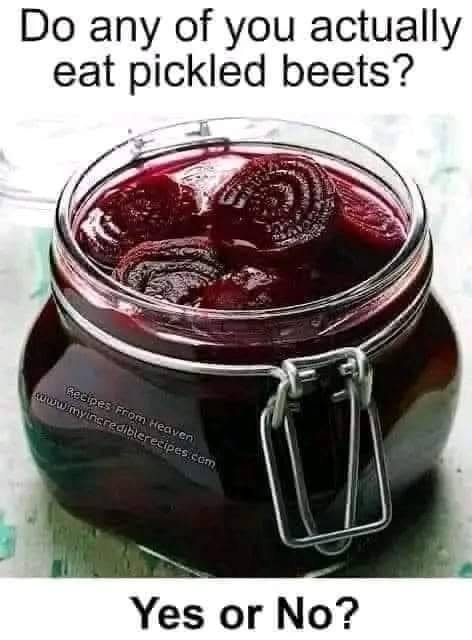
I usually make these when I have a bunch of fresh beets that need using. Instead of letting them sit in the refrigerator until I completely forget about them, I turn them into something sweet, tangy, colorful, and surprisingly addictive.
The combination of vinegar and sugar gives the beets that classic sweet-and-sour flavor, while whole cloves and allspice add a warm, old-fashioned spice that makes the pickling liquid smell incredible.
And honestly, the color alone makes me happy. Those deep ruby-red beet slices look gorgeous alongside almost any meal.
Whether you’re already a pickled-beet fan or you’re still asking, “Does anybody actually eat these?”—this recipe is a fun place to start.
Ingredients
For the Pickled Beets
-
8 medium fresh beets
-
1 cup vinegar
-
½ cup granulated sugar
-
1½ teaspoons whole cloves
-
1½ teaspoons whole allspice
-
½ teaspoon salt
A Note About the Vinegar
For a traditional sweet pickled-beet flavor, I usually use white vinegar. It gives the beets a clean, bright tang and lets their natural earthy sweetness come through.
How to Make Pickled Beets
1. Cook the beets
Start by washing the beets thoroughly to remove any dirt.
Place them in a large pot and cover with water. Bring the water to a boil, then reduce the heat and simmer until the beets are tender when pierced with a knife.
Depending on their size, this usually takes around 30–45 minutes.
You don’t need to peel them before cooking. In fact, leaving the skins on makes the whole process easier.
2. Cool and peel the beets
Once the beets are tender, drain them and allow them to cool enough to handle.
Rub or slip the skins off with your fingers or a paper towel.
I usually do this over the sink because beet juice has a remarkable ability to find every light-colored surface in the kitchen!
Trim away the tops and roots, then slice the beets into rounds or wedges.
3. Prepare the pickling liquid
While the beets are cooling, combine the vinegar, sugar, whole cloves, whole allspice, and salt in a saucepan.
Bring the mixture to a gentle simmer, stirring until the sugar and salt dissolve.
Let it simmer for a few minutes so the spices have a chance to infuse the vinegar.
The smell at this point is honestly wonderful—sweet, spicy, and tangy all at once.
4. Combine the beets and pickling liquid
Place the sliced beets into a clean, heat-safe container or jar.
Pour the warm pickling liquid over the beets, making sure they’re well covered.
Let the mixture cool to room temperature.
5. Refrigerate
Once cooled, cover the container and refrigerate.
You can technically eat the beets fairly soon, but I usually wait at least 24 hours. The extra time allows the vinegar, sugar, cloves, and allspice to really soak into the beets.
After a day or two, the flavor becomes even better.
Important Food-Safety Note
This recipe is written as a refrigerator pickled-beet recipe, not a shelf-stable canning recipe.
Keep the finished beets refrigerated and use clean utensils when serving. Don’t store these jars at room temperature unless you are following a properly tested, food-safe canning recipe and procedure.
Cooking Tips for the Best Pickled Beets
Don’t overcook the beets
You want them tender enough to slice easily but not falling apart. Overcooked beets can become mushy after pickling.
Slice them evenly
Try to cut the beets into pieces of roughly the same thickness. This helps them absorb the pickling liquid evenly.
Let them sit overnight
This is one of those recipes where patience pays off. The flavor gets noticeably better after the beets spend some time in the refrigerator.
Be careful with beet juice
Fresh beet juice stains. I usually wear an apron and use a cutting board that I don’t mind getting colorful.
If your hands turn pink or purple, don’t panic—it generally washes away with normal handwashing.
Adjust the sweetness
The ½ cup of sugar gives these beets a pleasantly sweet-and-tangy flavor. If you prefer a sharper pickle, you can reduce the sugar somewhat.
Don’t discard the pickling liquid too quickly
Once you’ve eaten the beets, you may be tempted to pour out the leftover liquid. I usually save it for a little while to use in salad dressings or other beet-based dishes, provided it has been handled and stored safely.
How to Serve Pickled Beets
There are more possibilities than you might think!
I love serving pickled beets alongside hearty meals because their acidity helps balance richer foods.
Try them with:
-
Roast beef
-
Grilled chicken
-
Pork chops
-
Burgers
-
Sandwiches
-
Potato salad
-
Green salads
-
Deviled eggs
-
Cheese and crackers
-
Grain bowls
They’re especially good chopped into a salad with goat cheese, walnuts, mixed greens, and a simple vinaigrette.
You can also eat them straight from the refrigerator as a snack.
And yes, I have absolutely stood in front of the refrigerator eating pickled beets directly from the container. No judgment here.
How Long Do Pickled Beets Last?
Because this is a refrigerator pickle, keep the beets refrigerated at all times.
For the best quality, use them within a few weeks and always check for changes in appearance, smell, or texture before eating. If anything looks or smells questionable, discard them.
Approximate Nutrition Information
Nutrition is an estimate and will vary depending on the size of the beets and how much pickling liquid is consumed.
Approximate per serving, based on 8 servings:
-
Calories: ~110
-
Carbohydrates: ~25 g
-
Protein: ~2 g
-
Fat: ~0 g
-
Fiber: ~4 g
-
Sugar: ~20 g
-
Sodium: ~180 mg
Most of the added sugar and pickling liquid won’t necessarily be consumed with every serving, so actual nutrition can vary considerably.
Frequently Asked Questions
1. Do pickled beets taste sweet or sour?
They have a combination of both. This recipe is designed to be sweet and tangy, with vinegar providing acidity and sugar balancing it. The cloves and allspice add a warm, lightly spiced flavor.
If you prefer a more sour pickle, reduce the sugar.
2. Do I have to peel the beets before cooking?
No. I actually recommend cooking them with the skins on. Once they’re tender and cool enough to handle, the skins should slip off fairly easily.
It’s much less work.
3. Can I use canned beets instead of fresh beets?
You can, but the texture and flavor won’t be quite the same. Freshly cooked beets have a firmer texture and more pronounced earthy sweetness.
If you’re short on time, however, canned beets can be a convenient shortcut.
4. How long should pickled beets sit before eating?
You can taste them once they’ve cooled, but I recommend waiting at least 24 hours for the best flavor.
After sitting overnight, the vinegar and spices have more time to penetrate the beets.
5. Can I can these pickled beets and store them in the pantry?
Not safely using this recipe as written. This is intended as a refrigerator pickle, not a tested shelf-stable canning recipe.
For pantry storage, use a properly tested pickled-beet canning recipe and follow its processing instructions exactly.
Conclusion
So, do people actually eat pickled beets?
Around here, the answer is definitely yes.
These homemade pickled beets are sweet, tangy, earthy, and lightly spiced, with that gorgeous deep-red color that makes even a simple dinner plate look special.
I usually keep a container in the refrigerator for quick salads, side dishes, or those moments when I just want a little something tangy with dinner. They’re incredibly easy to make, and the flavor improves as they sit.