
Slow Cooker Pot Roast with Carrots and Potatoes

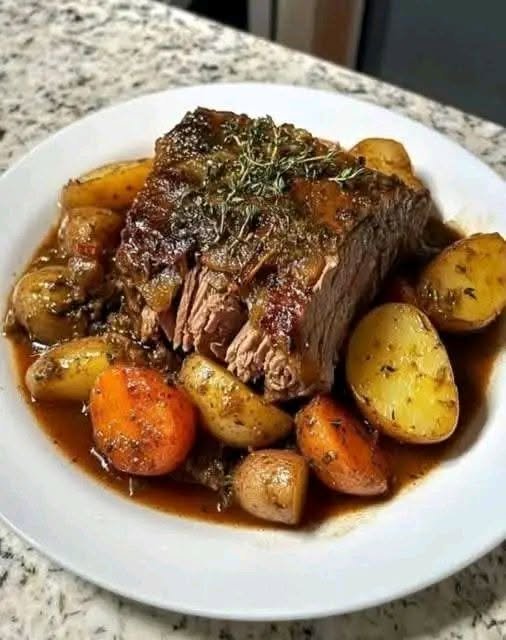
I love recipes like this because they don’t need fancy ingredients or complicated techniques to taste amazing. A good chuck roast, a handful of vegetables, some garlic, a few herbs, and a little patience are all you need to make a seriously delicious dinner.
This pot roast with carrots and potatoes is exactly the kind of meal I usually make when I want something hearty, comforting, and satisfying without spending all day standing over the stove. The beef slowly cooks until it’s beautifully tender, the carrots become sweet and soft, and the potatoes soak up all those rich, savory juices.
And that gravy? Honestly, it’s one of the best parts. Spoon it over the beef and vegetables, and you’ve got a meal that feels like a Sunday family dinner, even if you’re serving it on a regular weeknight.
Whether you’re making dinner for the family, hosting guests, or simply craving some old-fashioned comfort food, this classic beef pot roast recipe is one to keep in your recipe collection.
Let’s get cooking!
Why You’ll Love This Pot Roast Recipe
- Fall-apart tender beef: Chuck roast becomes wonderfully soft and juicy when cooked low and slow.
- A complete one-pot meal: Beef, potatoes, carrots, and onions cook together for an easy dinner.
- Rich, savory flavor: Garlic, herbs, beef broth, and browned beef create delicious cooking juices.
- Perfect for busy days: Most of the cooking time is hands-off.
- Great for leftovers: The flavors are just as delicious the next day.
- Family-friendly comfort food: Simple ingredients make a satisfying meal everyone can enjoy.
Ingredients for Pot Roast with Carrots and Potatoes
This recipe serves approximately 6 people.
Main ingredients
- 3–4 lb (1.4–1.8 kg) beef chuck roast
- 1 tablespoon olive oil
- 4 large carrots, peeled and cut into large chunks
- 6–8 small or medium potatoes, halved or quartered
- 1 large onion, quartered
- 3 cloves garlic, minced
- 2 cups (475 ml) beef broth
- 1 tablespoon Worcestershire sauce
- 1 teaspoon salt, or to taste
- ½ teaspoon freshly ground black pepper
- 1 teaspoon dried thyme
- 1 teaspoon dried rosemary
- 2 tablespoons tomato paste, optional
- 2 tablespoons all-purpose flour or cornstarch, optional, for thickening the gravy
- 2 tablespoons cold water, if using cornstarch
- Fresh thyme or parsley, for garnish
Which beef cut is best?
I usually recommend chuck roast because it has enough connective tissue and marbling to become tender and flavorful during slow cooking.
Other cuts, such as brisket or beef shoulder, can also work, but cooking times may vary. Leaner cuts are more likely to dry out if cooked for too long.
Which potatoes should you use?
Yukon Gold potatoes are a great choice because they hold their shape while becoming buttery and tender. Red potatoes also work well. Russet potatoes can be used, but they tend to soften and break apart more easily.
How to Make Pot Roast with Carrots and Potatoes
<text color=”secondary” size=”sm”>Prep time: 20 minutes · Cooking time: 3–4 hours in the oven or 8–9 hours in a slow cooker on LOW · Servings: 6</text>
This recipe includes oven and slow cooker instructions, so you can choose whichever method suits your day.
Step 1: Prepare the beef
Remove the chuck roast from its packaging and pat it dry with paper towels.
Season generously on all sides with salt and black pepper.
I usually let the meat sit at room temperature for around 15–20 minutes while I prepare the vegetables. Avoid leaving raw beef out for more than two hours total, or one hour if the room is hotter than 90°F (32°C).
Step 2: Sear the roast
Heat the olive oil in a large, heavy oven-safe pot or Dutch oven over medium-high heat.
Add the beef and sear for about 3–5 minutes per side, until a deep brown crust forms.
Don’t rush this step! Browning develops a rich, savory flavor that makes the finished gravy taste even better.
Transfer the roast to a plate temporarily.
Home cook tip: If you’re using a slow cooker, sear the beef in a separate skillet before transferring it to the slow cooker insert.
Step 3: Cook the onions and garlic
In the same pot, add the quartered onion and cook for 2–3 minutes, scraping up the browned bits from the bottom.
Add the minced garlic and cook for another 30 seconds, just until fragrant.
If you’re using tomato paste, stir it in and cook for another minute. This adds extra depth and a subtle richness to the gravy.
Step 4: Add the broth and seasonings
Pour in the beef broth and Worcestershire sauce.
Add the thyme and rosemary, stirring to combine. Scrape the bottom of the pot to loosen any flavorful browned bits.
Return the seared roast to the pot.
The liquid doesn’t need to completely cover the beef. Pot roast cooks by a combination of moist heat and the juices released during cooking.
Step 5: Add the vegetables
Arrange the carrots and potatoes around the roast.
For the best texture, keep the vegetable pieces fairly large. Smaller chunks can become overly soft during a long cooking time.
If you’re using a slow cooker, place the vegetables around and underneath the roast where possible, with the beef sitting on top.
Step 6: Cook until the beef is tender
Oven method:
- Preheat the oven to 300°F (150°C).
- Cover the Dutch oven with a tight-fitting lid.
- Cook for approximately 3–4 hours, checking after 3 hours.
- Continue cooking until the beef is fork-tender and the vegetables are soft.
Slow cooker method:
- Cover the slow cooker with its lid.
- Cook on LOW for approximately 8–9 hours or HIGH for 4–5 hours.
- Check that the beef is tender and the vegetables are cooked through.
Cooking times depend on the size and shape of the roast and your appliance. If the beef is still tough, it often needs more time rather than less. Continue cooking until it pulls apart easily with a fork.
Step 7: Make the gravy
Carefully transfer the roast and vegetables to a serving platter and cover loosely to keep warm.
Taste the cooking liquid and adjust the seasoning if needed.
For a thicker gravy, mix 2 tablespoons of cornstarch with 2 tablespoons of cold water until smooth. Bring the cooking liquid to a gentle simmer in a saucepan, then whisk in the slurry gradually.
Cook for 1–2 minutes, stirring, until the gravy thickens. Add a little more slurry if you prefer a thicker consistency.
Alternatively, mix 2 tablespoons of flour with a little softened butter to form a paste, whisk it into the simmering liquid, and cook until thickened.
If you prefer a thinner, more traditional pot roast jus, you can skip this step entirely.
Step 8: Slice, shred, and serve
Allow the roast to rest for about 10 minutes before slicing or shredding.
Spoon the carrots and potatoes around the beef, then pour over plenty of the rich cooking juices or gravy.
Finish with fresh thyme or parsley for a lovely touch of color.
Honestly, this is the kind of dinner that makes everyone reach for seconds!
My Best Tips for a Perfect Pot Roast
1. Always brown the beef first
Searing isn’t essential for food safety, but it makes a real difference to flavor. Those caramelized surfaces create a deeper, richer taste in the finished dish.
2. Choose a well-marbled chuck roast
A little marbling helps keep the meat juicy and contributes to that tender, pull-apart texture.
3. Don’t add too much liquid
You don’t need to drown the roast. The beef and vegetables release moisture as they cook, and too much broth can dilute the flavor of the gravy.
4. Cut vegetables into large pieces
Large carrot chunks and halved or quartered potatoes are less likely to turn mushy during long cooking.
If you’re worried about very soft vegetables, add them partway through cooking when your method allows it. For a slow cooker, adding them during the final 3–4 hours on LOW can help, although opening the lid will release heat.
5. Keep the lid closed
Every time you lift the lid on a slow cooker, heat escapes and cooking takes longer. I usually leave it alone until it’s time to check for tenderness.
6. Let the beef cook long enough
Chuck roast can feel tough when it’s not finished cooking. Low, steady heat gives the connective tissue time to soften, so don’t stop just because the outside looks done.
7. Taste the gravy before serving
The cooking liquid holds so much flavor. A little extra black pepper, a pinch of salt, or a splash of Worcestershire sauce can help bring everything together.
What to Serve with Pot Roast
This recipe is already a complete meal, but a few simple sides make it feel extra special.
- Crusty bread: Perfect for soaking up every last drop of gravy.
- Steamed green beans: Add a fresh, crisp contrast to the rich beef.
- Roasted Brussels sprouts: Their caramelized edges pair beautifully with the savory sauce.
- A fresh green salad: A light salad with a simple vinaigrette balances the hearty meal.
- Buttered peas: An easy vegetable side that works well with traditional Sunday dinners.
- Creamy mashed potatoes: If you can never have too many potatoes, serve the roast with a scoop of mash and plenty of gravy.
For me, crusty bread and a generous spoonful of gravy are hard to beat!
Variations to Try
Garlic and herb pot roast
Add a little extra garlic and use fresh rosemary and thyme instead of dried herbs. It’s a lovely option if you enjoy a more aromatic roast.
Red wine pot roast
Replace up to 1 cup of the beef broth with dry red wine. After searing the beef, add the wine to the pot and scrape up the browned bits before adding the remaining broth.
Mushroom pot roast
Add sliced mushrooms during the final 1–2 hours of slow cooking, depending on their size and your preferred texture.
Extra-rich onion gravy
Add an extra sliced onion and let it soften before adding the broth. The onions add natural sweetness and body to the gravy.
Spicy pot roast
Add a pinch of red pepper flakes or a little smoked paprika for warmth without overpowering the beef.
How to Store and Reheat Leftover Pot Roast
Refrigerating leftovers
Allow the food to cool slightly, then transfer the beef, vegetables and gravy to shallow airtight containers. Refrigerate within two hours of cooking.
Store leftovers in the refrigerator for 3–4 days.
Freezing pot roast
You can freeze the cooked beef and gravy in freezer-safe containers for around 2–3 months for best quality. The potatoes and carrots may become softer after thawing, but the meal will still be delicious.
Cool and refrigerate or freeze leftovers promptly rather than leaving the entire pot sitting out to cool for hours.
Reheating
For the stovetop, place the beef, vegetables and gravy in a covered saucepan over low heat. Add a splash of broth if needed and heat until everything is steaming hot.
You can also reheat individual portions in the microwave, stirring or turning the food as needed to heat evenly. Reheat leftovers to an internal temperature of 165°F (74°C).
Approximate Nutrition Information
The estimates below are per serving, assuming six servings and including the beef, potatoes, carrots, onions, olive oil and cooking broth. They exclude optional thickening agents and may vary with the size and fat content of the roast.
| Nutrient | Approximate amount per serving |
|---|---|
| Calories | 550–650 kcal |
| Protein | 45–55 g |
| Carbohydrates | 30–40 g |
| Fat | 25–35 g |
| Saturated fat | 9–12 g |
| Fibre | 5–7 g |
| Sodium | 500–800 mg |
Actual nutrition will vary depending on the cut of beef, how much fat is trimmed, the size of the vegetable portions and the sodium content of the broth.
Frequently Asked Questions
1. What is the best cut of beef for pot roast?
Chuck roast is one of the best choices because its marbling and connective tissue become tender during long, slow cooking. Beef shoulder and brisket can also work well, although their texture and cooking times may differ.
2. Why is my pot roast still tough?
The most common reason is that it hasn’t cooked long enough. Chuck roast needs time for its connective tissue to break down. If the meat is still difficult to pull apart, cover it again and continue cooking until fork-tender.
3. Should the pot roast be covered with liquid?
No. The liquid should generally come partway up the sides of the beef rather than completely covering it. The covered pot traps steam and moisture while the meat cooks, helping create tender beef and flavorful cooking juices.
4. Can I make pot roast without a slow cooker?
Absolutely! A Dutch oven or other heavy, oven-safe pot with a tight-fitting lid works beautifully. Cook it covered at 300°F (150°C) for approximately 3–4 hours, checking for tenderness and adding a little broth if the pot becomes too dry.
5. Can I prepare pot roast the day before?
Yes! Pot roast is a great make-ahead meal. Cook it fully, refrigerate it promptly in shallow containers, and reheat it the next day until steaming hot throughout. The flavors often develop further overnight, making the gravy taste even richer. If you want to remove excess fat, chilling the gravy makes it easier to lift the solidified fat from the surface before reheating.
Final Thoughts: A Classic Pot Roast Worth Making Again
Honestly, it’s hard to beat a traditional pot roast with carrots and potatoes when you’re craving a proper homemade comfort meal.
The beef cooks slowly until it’s tender, the vegetables soak up all those savory juices, and the gravy brings everything together. It’s simple cooking, but the results feel special enough for a Sunday family dinner or a cozy evening when you want something hearty on the table.
I usually keep the seasoning straightforward with garlic, thyme, rosemary, salt and pepper, letting the beef do most of the work. And don’t forget to save some of that gravy for serving. You’ll want plenty!
The best part is that once everything is in the oven or slow cooker, you can get on with your day while dinner takes care of itself.