
Ribeye Steak Recipe

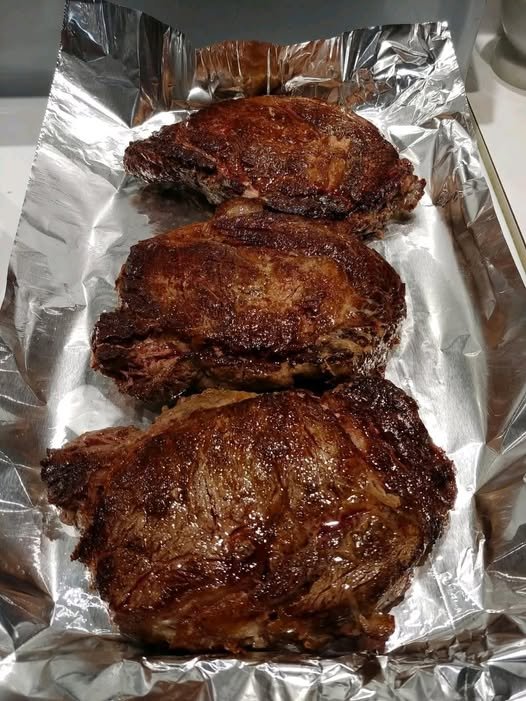
Honestly, there’s something special about a perfectly cooked ribeye steak. That beautiful browned crust, the juicy center, and all that rich, beefy flavor make it feel like a restaurant-quality dinner, even when you’re cooking right in your own kitchen.
I used to think making a really good steak required complicated marinades, expensive ingredients, or a fancy grill. But after trying different seasoning combinations and cooking methods, I’ve learned that sometimes the simplest approach is the best.
This ribeye steak recipe is one I keep coming back to. It starts with just two ribeye steaks, olive oil, garlic powder, onion powder, and a few basic seasonings. The result is a beautifully seared steak with a savory crust and tender, flavorful meat.
I usually make this recipe when I want something satisfying without spending all evening in the kitchen. It’s perfect for a weekend dinner, a special occasion, or even a regular weeknight when you’re craving a steakhouse-style meal.
The secret? Let the steak come close to room temperature before cooking, dry the surface thoroughly, season it generously, and give it enough time to develop that delicious crust. And please, don’t skip the resting time! It makes a real difference.
If you’ve been looking for a simple, reliable ribeye steak recipe, don’t lose this one. Let’s get cooking!
Why You’ll Love This Ribeye Steak Recipe
- Simple ingredients: You probably already have most of the seasonings in your kitchen.
- Big flavor: Garlic powder and onion powder complement the natural richness of ribeye.
- Beautiful sear: A hot skillet creates a deeply browned, flavorful exterior.
- Easy to customize: Cook the steak to your preferred doneness and add your favorite herbs or butter.
- Perfect for special dinners: Serve it with potatoes, vegetables, or a fresh salad for a complete meal.
Ingredients for Ribeye Steak
This recipe makes 2 servings, using two ribeye steaks.
Main ingredients
- 2 ribeye steaks, approximately 10–12 ounces (280–340 g) each
- 2 tablespoons olive oil
- 1 teaspoon garlic powder
- 1 teaspoon onion powder
- 1 teaspoon kosher salt, or to taste
- ½ teaspoon freshly ground black pepper
- ½ teaspoon smoked paprika, optional
- 1 tablespoon butter, optional
- 2 garlic cloves, lightly crushed, optional
- 2 sprigs fresh rosemary or thyme, optional
A quick note about the ingredients: Ribeye already has plenty of natural marbling, which gives it that rich flavor and tenderness. You don’t need a complicated marinade. I usually stick with garlic powder, onion powder, salt, and pepper because they let the beef shine.
The smoked paprika is optional, but it adds a subtle smoky note and gives the crust an extra layer of flavor.
How to Make the Perfect Ribeye Steak
Step 1: Prepare the steaks
Remove the ribeye steaks from the refrigerator about 20–30 minutes before cooking, if convenient. Keep them covered and don’t leave raw meat at room temperature for more than two hours total, or one hour in temperatures above 90°F (32°C).
Pat both sides of the steaks thoroughly dry with paper towels.
This is one of my favorite little cooking tricks. A dry surface browns much more effectively than a wet one, helping you get that delicious steakhouse-style crust.
If the steaks have very thick edges of fat, you can leave them on for flavor. Just be aware that thicker steaks will need more cooking time.
Step 2: Mix the seasoning
In a small bowl, combine the garlic powder, onion powder, salt, black pepper, and smoked paprika, if using.
Drizzle the olive oil over the steaks and rub it evenly over both sides. Sprinkle the seasoning mixture generously across the surface, pressing it gently into the meat.
I usually make sure the edges get some seasoning, too. Every bite should have that savory, garlicky flavor.
Step 3: Heat your skillet
Place a heavy skillet, preferably cast iron or stainless steel, over medium-high to high heat.
Let the pan get thoroughly hot before adding the steaks. A hot cooking surface helps the meat brown quickly rather than releasing moisture and steaming.
Add the steaks carefully, leaving enough room between them. If your skillet isn’t large enough, cook one steak at a time.
My tip: Use your kitchen’s ventilation fan because searing steak can produce a little smoke. Also, keep the pan handle turned inward and avoid adding excess oil that could splatter.
Step 4: Sear the steaks
Place the steaks in the hot skillet and let them cook without moving them for approximately 2–4 minutes on the first side, depending on thickness and heat.
Flip the steaks and sear the other side for another 2–4 minutes.
For steaks around 1–1½ inches thick, this is a starting point for developing a good crust, not a guaranteed total cooking time. Thicker steaks will need additional cooking.
If the steaks have thick fat caps, use tongs to hold them on their edges for a short time to render some of the fat.
Honestly, the hardest part is resisting the urge to move the steak around. Letting it sit undisturbed helps build that deep brown crust.
Step 5: Add butter, garlic, and herbs
Once both sides are nicely browned, reduce the heat to medium.
Add the optional butter, crushed garlic cloves, and rosemary or thyme sprigs to the skillet.
As the butter melts, tilt the pan slightly and spoon the melted butter over the steaks for about 30–60 seconds, taking care not to burn the garlic or butter.
This step is optional, but I love it. The butter and herbs add a rich, aromatic finish that makes the kitchen smell incredible.
If you’re cooking particularly thick steaks, continue cooking over moderate heat until they reach your preferred internal temperature. You can also finish them in a 400°F (200°C) oven if that works better for your pan and steak thickness.
Step 6: Check the internal temperature
The best way to tell when your ribeye is done is to use an instant-read meat thermometer inserted into the thickest part of the steak, away from large pockets of fat.
For food safety, the USDA recommends whole beef steaks reach at least 145°F (63°C), followed by a 3-minute rest.
If you prefer your steak less cooked, understand that it falls below this recommended temperature and carries a higher food-safety risk.
Cooking times vary with steak thickness, starting temperature, and pan heat, so a thermometer is much more reliable than the clock alone.
Step 7: Rest the steak before slicing
Transfer the cooked steaks to a clean plate or cutting board and allow them to rest for at least 3 minutes.
For thicker steaks, I often rest them for around 5–10 minutes to let the juices settle while I finish preparing the sides.
Avoid cutting into the steak immediately. Giving it time to rest helps keep the meat juicy when you slice it.
Step 8: Slice and serve
If you’re slicing the steaks before serving, cut across the grain into strips. Otherwise, serve them whole with a little of the pan butter spooned over the top.
Finish with an extra pinch of black pepper or a sprinkle of fresh herbs if you like.
And that’s it! You have beautifully seared ribeye steaks with a savory, garlic-forward crust and rich, juicy flavor.
My Best Tips for Perfect Ribeye Steak
1. Choose well-marbled steaks
Look for ribeye with fine white streaks of fat running throughout the meat. That marbling helps create the rich flavor and tender texture ribeye is known for.
2. Always pat the steak dry
Moisture on the surface interferes with browning. Use paper towels before seasoning, especially if the steaks have been sitting in packaging.
3. Don’t overcrowd the pan
Cooking two large steaks in a crowded skillet can lower the temperature and prevent a good sear. Use a larger pan or cook in batches.
4. Season just before cooking or ahead of time
For a simple approach, season shortly before the steak hits the pan. Alternatively, salt the steaks and leave them uncovered in the refrigerator for several hours, if you have time, then pat dry and add the remaining seasonings before cooking.
5. Use butter at the right time
Butter adds wonderful flavor, but it can burn over very high heat. That’s why I usually add it after the initial sear, when I can lower the heat and baste the meat.
6. Don’t guess the doneness
Steaks vary in thickness, and stovetops vary in heat. An instant-read thermometer takes the guesswork out of cooking.
7. Slice against the grain
When serving sliced steak, look for the direction of the muscle fibers and cut across them. This creates shorter fibers and makes each bite easier to chew.
What to Serve with Ribeye Steak
Ribeye is rich and satisfying, so I like pairing it with sides that balance its flavor. Here are a few combinations worth trying.
- Garlic mashed potatoes: Creamy potatoes are perfect for soaking up the buttery steak juices.
- Roasted broccoli: A simple side of broccoli with olive oil, salt, and pepper adds color and freshness.
- Crispy roasted potatoes: Golden potato wedges or baby potatoes make this a hearty steakhouse-style dinner.
- Sauteed mushrooms: Mushrooms cooked with garlic and herbs complement the beef beautifully.
- Grilled asparagus: Its slightly smoky flavor pairs well with the browned steak crust.
- Fresh garden salad: Lettuce, tomatoes, cucumber, and a tangy vinaigrette help balance the richness of the meat.
- Roasted carrots: Their natural sweetness works surprisingly well with savory garlic-seasoned steak.
For an easy dinner, I usually choose roasted potatoes and green vegetables. It keeps the meal simple without taking attention away from the steak.
How to Store and Reheat Leftover Ribeye
If you have leftovers, allow the steak to cool slightly and refrigerate it in a shallow, airtight container within two hours of cooking.
- Refrigerator: Store for 3–4 days.
- Freezer: Freeze in a well-sealed, freezer-safe container for about 2–3 months for best quality.
- Reheating: Warm gently in a covered skillet over low heat with a small splash of broth or water, or use short microwave intervals to avoid drying it out.
Reheated steak won’t have quite the same freshly seared crust, but slicing it thinly and adding it to salads, sandwiches, wraps, or rice bowls is a great way to use leftovers.
Approximate Nutrition Information
The following estimates are for one serving, consisting of one 10–12-ounce raw ribeye steak, cooked with approximately half the olive oil and seasoning mixture. The actual values depend heavily on the steak’s size, fat content, and how much rendered fat remains in the meal.
| Nutrient | Approximate amount per serving |
|---|---|
| Calories | 750–950 kcal |
| Protein | 55–70 g |
| Total fat | 55–75 g |
| Saturated fat | 20–30 g |
| Carbohydrates | 1–3 g |
| Fiber | 0–1 g |
| Sugar | Less than 1 g |
These estimates are approximate and exclude optional butter and side dishes. Ribeye is naturally higher in fat and calories than leaner cuts of beef, so the nutrition can vary considerably from one steak to another.
For a lighter plate, you can use smaller steaks, trim some visible fat, measure the oil carefully, and serve the meat with plenty of vegetables.
Frequently Asked Questions
1. What is the best way to cook ribeye steak?
Pan-searing in a hot, heavy skillet is one of the easiest ways to develop a flavorful crust while keeping the inside tender. For thicker steaks, you can sear them first and finish cooking in the oven. Always use a thermometer to check doneness.
2. Should I marinate ribeye steak before cooking?
You don’t have to. Ribeye is naturally flavorful because of its marbling, and a simple combination of salt, pepper, garlic powder, and onion powder works beautifully. If you enjoy marinades, you can use one, but pat the steak dry before searing to encourage browning.
3. How long should I cook ribeye steak in a skillet?
For a steak approximately 1–1½ inches thick, start with 2–4 minutes per side over medium-high to high heat to build the crust, then continue cooking as needed. Total time depends on thickness, pan temperature, and your preferred doneness. Use an instant-read thermometer rather than relying on timing alone.
4. Can I cook this ribeye steak recipe on a grill?
Absolutely! Preheat your grill, clean and lightly oil the grates, and season the steaks as directed. Grill over direct heat to develop a crust, flipping as needed, then move the steaks to a cooler area if they need more time to cook through. Check the thickest part with a thermometer and follow the recommended food-safe temperature.
5. How do I make ribeye steak tender and juicy?
Start with a well-marbled steak, dry the surface before cooking, avoid overcooking, and allow the steak to rest before slicing. Cutting against the grain also makes a big difference when serving sliced steak. These simple steps help you get the most out of a good ribeye.
Final Thoughts: Save This Ribeye Steak Recipe!
Honestly, this is one of those recipes that reminds me you don’t need a long ingredient list to make a really satisfying meal. With two good ribeye steaks, olive oil, garlic powder, onion powder, and a few simple seasonings, you can create a dinner that feels special without much fuss.
I love the combination of the savory crust, rich beef flavor, and optional garlic-herb butter. Serve it with roasted potatoes and vegetables, or keep things simple with a fresh salad.
The most important things to remember are to dry the steak well, heat the pan properly, avoid overcooking, and give the meat time to rest.