
Creamy Cheesy Vegetable Casserole Recipe

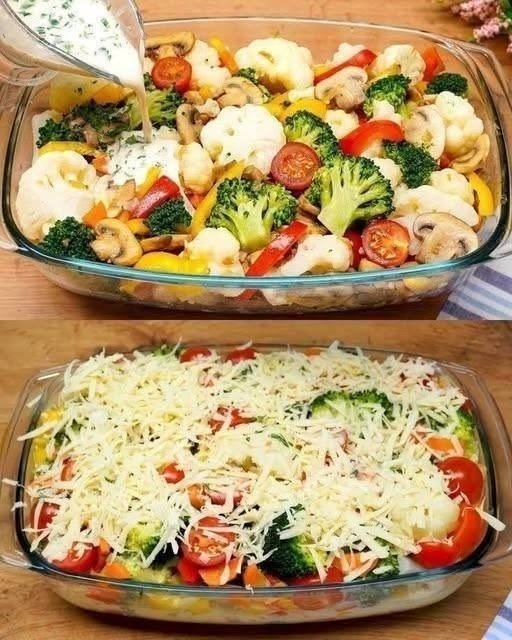
If you’re looking for an easy way to make vegetables taste absolutely delicious, this creamy cheesy vegetable casserole might become one of your new favorite recipes. It’s colorful, comforting, loaded with fresh vegetables, and finished with a rich, creamy sauce and a generous layer of melted cheese.
Honestly, I love recipes like this because they make getting more vegetables into everyday meals so much easier. Instead of preparing several different side dishes, I can toss everything into one baking dish, pour over a flavorful cream sauce, sprinkle on some cheese, and let the oven do the work.
This recipe combines tender cauliflower, fresh broccoli, juicy cherry tomatoes, earthy mushrooms, and sweet bell peppers. The vegetables are coated in a creamy garlic sauce that brings everything together without overpowering their natural flavors. Once baked, the cheese melts into a delicious golden topping that makes every serving extra satisfying.
I usually make this casserole when I have a few different vegetables in the refrigerator that need using up. It’s also perfect for busy weeknights, Sunday family dinners, or those evenings when you want something warm and comforting without spending hours in the kitchen.
The best part? You can easily customize it with your favorite vegetables, herbs, and cheeses. Serve it as a vegetarian main course or alongside chicken, fish, or your favorite protein for a complete meal.
Let’s get into the details!
Why You’ll Love This Cheesy Vegetable Casserole
- Packed with vegetables: Broccoli, cauliflower, mushrooms, peppers, and tomatoes add color, flavor, and variety.
- Creamy and cheesy: A savory garlic cream sauce and melted cheese make the vegetables extra comforting.
- Easy one-dish meal: Most of the cooking happens in the oven, so there’s less work at the stove.
- Perfect for busy evenings: The vegetables and sauce can be prepared ahead of time.
- Easy to customize: Use whatever fresh vegetables you have available.
- Family-friendly: The creamy sauce and cheesy topping make vegetables more appealing to even reluctant vegetable eaters.
Ingredients You’ll Need
This recipe makes approximately 4–6 servings, depending on whether you serve it as a main dish or a side.
For the Vegetables
- 2 cups broccoli florets
- 2 cups cauliflower florets
- 1 cup mushrooms, sliced
- 1 cup cherry tomatoes, halved
- 1 red bell pepper, sliced
- 1 yellow bell pepper, sliced
- 1 small onion, thinly sliced (optional)
- 1 tablespoon olive oil
- ½ teaspoon salt, or to taste
- ½ teaspoon black pepper
- ½ teaspoon paprika
- ½ teaspoon dried oregano
For the Creamy Garlic Sauce
- 1 cup heavy cream or cooking cream
- ½ cup milk
- 2 cloves garlic, minced
- 1 tablespoon butter
- 1 teaspoon Dijon mustard (optional)
- ½ teaspoon Italian seasoning
- ¼ teaspoon salt, or to taste
- ¼ teaspoon black pepper
For the Cheesy Topping
- 1½ cups shredded mozzarella cheese
- ½ cup grated Parmesan cheese
- 1 tablespoon chopped fresh parsley, for garnish (optional)
Ingredient tip: I usually combine mozzarella and Parmesan because mozzarella gives the casserole that lovely stretchy, melted cheese topping, while Parmesan adds a deeper, savory flavor. Cheddar also works wonderfully if you prefer a sharper taste.
How to Make Creamy Cheesy Vegetable Casserole
Step 1: Preheat the Oven
Preheat your oven to 375°F (190°C).
Lightly grease a medium-to-large baking dish with olive oil or butter. A dish around 9 × 13 inches works well for this amount of vegetables, although you can use a slightly smaller dish if you’re making a smaller batch.
Step 2: Prepare the Vegetables
Wash all the vegetables thoroughly and pat them dry.
Cut the broccoli and cauliflower into bite-sized florets. Slice the mushrooms and bell peppers, halve the cherry tomatoes, and thinly slice the onion if you’re using it.
Try to keep the broccoli and cauliflower pieces roughly the same size so they cook evenly.
I usually dry the vegetables well before adding them to the dish. Excess water can make the sauce thin and watery, especially when using mushrooms and tomatoes.
Helpful tip: If you prefer very tender broccoli and cauliflower, blanch them in boiling water for 2–3 minutes, then drain and dry them thoroughly. This is optional, but it helps when you’re using particularly large florets.
Step 3: Season the Vegetables
Place the prepared broccoli, cauliflower, mushrooms, bell peppers, tomatoes, and onion in a large bowl.
Add the olive oil, salt, black pepper, paprika, and dried oregano.
Toss everything gently until the vegetables are evenly coated.
Transfer the vegetables to your prepared baking dish and spread them into an even layer.
Don’t worry if the dish looks colorful and full at this stage. The vegetables will soften as they bake.
Step 4: Prepare the Creamy Garlic Sauce
In a small saucepan, melt the butter over medium-low heat.
Add the minced garlic and cook for about 30 seconds, stirring constantly until fragrant. Be careful not to let it brown.
Pour in the cream and milk, then add the Italian seasoning, Dijon mustard if using, salt, and black pepper.
Stir gently and warm the mixture for 2–3 minutes. You don’t need to bring it to a boil; just heat it until everything is combined and the sauce is warm.
Taste the sauce and adjust the seasoning if needed.
Honestly, this simple garlic cream sauce is what makes the casserole so delicious. It adds richness while allowing the natural flavor of the vegetables to shine through.
Step 5: Pour the Sauce Over the Vegetables
Slowly pour the warm cream sauce over the vegetables, distributing it as evenly as possible.
Use a spoon to move the vegetables around slightly so the sauce can reach the spaces between the florets.
The vegetables shouldn’t be completely submerged. The goal is to coat them with the sauce while leaving some of their colorful tops visible.
Step 6: Add the Cheese
Sprinkle the shredded mozzarella evenly over the vegetables.
Finish with the grated Parmesan cheese.
I usually save a small handful of mozzarella to add during the last few minutes of baking if I want an extra-gooey topping.
At this point, the casserole is ready for the oven.
Step 7: Bake Until Tender and Golden
Place the baking dish in the preheated oven and bake for approximately 30–40 minutes.
Check the vegetables after about 25 minutes. The sauce should be bubbling around the edges, and the cheese should be melted.
Pierce a piece of cauliflower or broccoli with a fork to check for tenderness. If the vegetables are still too firm, continue baking for another 5–10 minutes.
If the cheese begins browning too quickly before the vegetables are tender, loosely cover the dish with foil.
For a more golden top, switch on the broiler for the final 1–2 minutes, watching carefully to prevent burning.
Cooking time will depend on the size of the florets, the depth of the baking dish, and whether you blanched the vegetables beforehand.
Step 8: Rest and Serve
Remove the casserole from the oven and let it rest for 5–10 minutes before serving.
This short resting time allows the sauce to settle and makes the casserole easier to scoop.
Sprinkle with fresh parsley if desired, then serve warm.
You’ll have tender vegetables coated in creamy garlic sauce with a delicious layer of melted cheese on top. It’s simple comfort food that looks beautiful straight from the baking dish!
My Best Tips for a Perfect Vegetable Casserole
1. Don’t Skip Drying the Vegetables
Water left on washed vegetables can dilute the sauce. Mushrooms and tomatoes also release moisture during cooking, so drying the vegetables and avoiding excess liquid helps keep the casserole creamy.
2. Cut the Vegetables Evenly
Large cauliflower florets take longer to cook than small broccoli pieces. Keeping everything close to the same size helps the vegetables become tender at roughly the same time.
3. Use Freshly Grated Cheese
Freshly grated cheese often melts more smoothly than pre-shredded cheese, which may contain anti-caking agents.
4. Avoid Overloading the Dish
If the vegetables are piled too high, they may cook unevenly. Use a larger baking dish or divide the mixture between two dishes if needed.
5. Adjust the Sauce to Your Preference
For a richer casserole, use more cream. For a lighter sauce, use additional milk and slightly less cream. Keep in mind that the sauce will be thinner with more milk.
6. Add Delicate Vegetables Later
If you want to include spinach or other delicate greens, stir them in during the final 10 minutes of baking. This helps prevent them from becoming overly soft.
7. Let It Rest Before Serving
The casserole may look quite liquid when it first comes out of the oven. Resting for 5–10 minutes allows the sauce to settle and cling better to the vegetables.
Easy Variations to Try
One of my favorite things about this recipe is how easy it is to change. You don’t need to follow the vegetable list exactly.
Cheesy broccoli and cauliflower casserole: Use extra broccoli and cauliflower and keep the sauce and cheese quantities the same. This is a great option if you want a simpler casserole.
Chicken and vegetable casserole: Add 2 cups of cooked, diced chicken for a more protein-rich main dish. Make sure the chicken is fully cooked before adding it.
Mushroom lover’s casserole: Add extra sliced mushrooms and a little thyme for a deeper, earthy flavor.
Low-carb vegetable casserole: The original recipe is already relatively low in carbohydrates compared with pasta-based casseroles. For a lower-carb version, omit the optional onion and choose a cream sauce without added flour or starch.
Spicy cheesy casserole: Add red pepper flakes or a pinch of cayenne pepper to the cream sauce.
Cheddar vegetable casserole: Replace some or all of the mozzarella with sharp cheddar for a stronger cheese flavor.
Vegan vegetable casserole: Use olive oil or plant-based butter, unsweetened plant-based milk, a suitable dairy-free cooking cream, and vegan shredded cheese. Check the labels to ensure the products meet your dietary needs.
Extra-crunchy topping: Sprinkle a small amount of seasoned breadcrumbs over the cheese before baking. This adds a crispy texture, although it will increase the carbohydrate content.
What to Serve with Cheesy Vegetable Casserole
This casserole is versatile enough to work as either a main dish or a side.
Here are some delicious ways to serve it:
- Roast chicken: The creamy vegetables pair beautifully with simply seasoned roast chicken.
- Grilled fish: Serve with salmon or white fish for a balanced dinner.
- Grilled steak: The cheesy vegetables make a comforting side for steak or pork chops.
- Steamed rice: Spoon the creamy vegetables over rice to make the meal more filling.
- Garlic bread: Perfect for soaking up the delicious cream sauce.
- Fresh green salad: A crisp salad with a lemon dressing balances the richness of the cheese and cream.
- Baked potatoes: Serve alongside a baked potato for a satisfying vegetarian meal.
When I’m keeping dinner simple, I usually serve this casserole with grilled chicken and a fresh salad. For a meat-free meal, I enjoy it with crusty bread or a small serving of rice.
Storage and Reheating Instructions
How to Store Leftovers
Let the casserole cool slightly, then transfer leftovers to a covered, airtight container.
Refrigerate within 2 hours of cooking and enjoy within 3–4 days.
How to Reheat
For the best results, reheat individual portions in the microwave until steaming hot.
To reheat a larger portion, place it in an oven-safe dish, cover loosely with foil, and warm at 325°F (165°C) until heated through. Remove the foil near the end if you’d like to refresh the cheesy topping.
If the sauce has thickened too much in the refrigerator, add a small splash of milk before reheating.
Can You Freeze Vegetable Casserole?
Yes, but the texture may change. Cream sauces can separate slightly after freezing and thawing, while vegetables with high water content may become softer.
If you plan to freeze the casserole, it’s best to bake it without the cheese topping, cool it completely, and freeze it in a suitable airtight container. Thaw it in the refrigerator, reheat thoroughly, and add fresh cheese before finishing in the oven.
For the best texture, I recommend enjoying this casserole fresh or refrigerated rather than frozen.
Approximate Nutrition Information
The following estimates assume the recipe makes 6 servings, using heavy cream, milk, mozzarella, Parmesan, and the listed vegetables.
Per serving:
- Calories: 300–360
- Protein: 13–17 g
- Carbohydrates: 14–19 g
- Fat: 22–28 g
- Saturated fat: 11–16 g
- Fiber: 4–6 g
- Sugar: 6–9 g
- Sodium: 400–650 mg
These values are approximate and will vary depending on the exact quantities, cheese brands, cream type, and added salt. They are not laboratory-tested nutrition facts.
To reduce the calories and saturated fat, use light cooking cream, reduce the cheese slightly, or replace some of the cream with milk. The sauce will be less rich but still flavorful.
Frequently Asked Questions
1. Can I use frozen vegetables for this casserole?
Yes, frozen broccoli and cauliflower can work well. Thaw them first and drain away excess water. Pat them dry before adding the sauce, since frozen vegetables often release more moisture than fresh ones. You may also need to adjust the baking time depending on their size and temperature.
2. How do I stop my vegetable casserole from becoming watery?
Dry the vegetables thoroughly, avoid adding excess milk or cream, and don’t overcrowd the baking dish. Mushrooms, tomatoes, broccoli, and cauliflower naturally release moisture while cooking. If you blanch the vegetables first, drain and dry them well before assembling the casserole.
3. Do I need to boil the vegetables before baking?
No, you can bake the vegetables directly from raw. Cutting them into small, evenly sized pieces helps them cook properly. However, blanching the broccoli and cauliflower for 2–3 minutes can help if you prefer a softer texture or want to shorten the baking time.
4. Can I make this cheesy vegetable casserole ahead of time?
Yes. You can prepare the vegetables, make the sauce, and assemble the casserole a few hours ahead. Cover and refrigerate it until you’re ready to bake. Since the dish will be cold when it enters the oven, it may need additional baking time. For the best results, add the cheese just before baking and make sure the center becomes hot and the vegetables are tender.
5. What cheese works best for a vegetable casserole?
Mozzarella is excellent for a gooey, stretchy topping, while Parmesan adds a salty, savory flavor. Cheddar gives the casserole a sharper taste, and Gruyère creates a rich, nutty finish. You can combine two or three cheeses depending on what you have available.
Final Thoughts
This creamy cheesy vegetable casserole is one of those recipes that proves simple ingredients can make a really satisfying meal. The combination of broccoli, cauliflower, mushrooms, bell peppers, and tomatoes creates a colorful dish, while the garlic cream sauce and melted cheese bring everything together.
I love that it’s easy enough for a regular weeknight but delicious enough to serve when family or friends come over. You can prepare it with whatever vegetables you have on hand, adjust the sauce to your taste, and choose your favorite cheese for the topping.
Honestly, the hardest part is waiting those few minutes for it to cool before serving!
Whether you enjoy it as a vegetarian main course or as a side dish with your favorite protein, this oven-baked vegetable casserole is a comforting, practical addition to your recipe collection.