
Easy Homemade Vegetable Soup Recipe

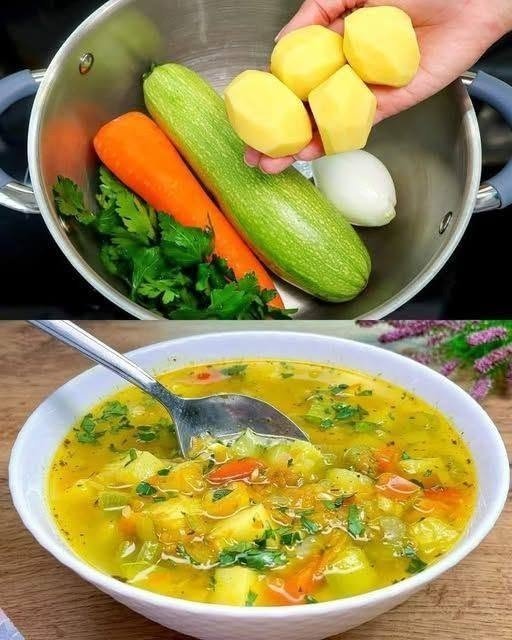
There is something so comforting about a warm bowl of homemade vegetable soup, especially on a chilly day or whenever I feel like making something simple and nourishing. Honestly, this is one of those recipes I come back to again and again because it uses everyday vegetables, requires very little preparation, and turns out delicious without much effort.
This easy vegetable soup is made with potatoes, carrots, zucchini, onion, and fresh parsley, just like the ingredients shown in the photo. Everything simmers together in a flavorful broth until the vegetables become tender and the soup develops a lovely golden color.
What I particularly love about this recipe is how naturally flavorful it is. You don’t need cream, complicated seasonings, or expensive ingredients. A few pantry staples, fresh vegetables, and the right cooking technique are enough to create a comforting bowl of soup that the whole family can enjoy.
I usually make a big pot when I have vegetables that need using up. It is an excellent way to reduce food waste while preparing something wholesome for lunch or dinner. You can keep it chunky, mash some of the potatoes for a thicker texture, or blend part of the soup if you prefer something smoother.
Whether you’re looking for a light lunch, an easy weeknight dinner, or a simple way to add more vegetables to your meals, this homemade vegetable soup is a wonderful place to start.
Why You’ll Love This Vegetable Soup Recipe
- Simple, everyday ingredients: Potatoes, carrots, zucchini, and onions are easy to find and affordable.
- Healthy and nourishing: The soup provides fiber, vitamins, minerals, and satisfying carbohydrates from vegetables.
- Easy one-pot cooking: Everything cooks in one pot, which means fewer dishes to wash.
- Naturally dairy-free: The basic recipe contains no milk, cream, or butter.
- Easy to customize: Add your favorite vegetables, beans, lentils, or spices.
- Perfect for meal prep: Make a batch ahead of time and enjoy it throughout the week.
Ingredients You’ll Need
This recipe makes approximately 4 generous servings.
Fresh Vegetables
- 3 medium potatoes, peeled and diced
- 1 large carrot, peeled and sliced
- 1 medium zucchini, diced
- 1 medium onion, finely chopped
- 2 cloves garlic, minced
- 1/4 cup fresh parsley, chopped
For the Soup Base
- 6 cups (1.4 liters) vegetable broth or chicken broth
- 1 tablespoon olive oil
- 1 teaspoon salt, or to taste
- 1/2 teaspoon ground black pepper
- 1/2 teaspoon turmeric, optional, for a golden color
- 1/2 teaspoon paprika, optional
- 1 bay leaf, optional
- 1 teaspoon dried thyme or Italian seasoning, optional
Optional Ingredients
- 1/2 cup green peas
- 1/2 cup chopped celery
- 1 tablespoon lemon juice
- Extra fresh parsley for garnish
A quick ingredient note: I usually use vegetable broth for a completely vegetarian soup. If I have homemade chicken broth available, that works beautifully too. Low-sodium broth is especially useful because it lets you control the salt level yourself.
How to Make Homemade Vegetable Soup
Step 1: Prepare the Vegetables
Wash all the vegetables thoroughly. Peel the potatoes and carrot, then cut the potatoes into small, evenly sized cubes.
Slice the carrot into thin rounds and dice the zucchini. Finely chop the onion and mince the garlic. Roughly chop the fresh parsley, keeping a little aside for the final garnish.
I usually try to cut the potatoes and carrots into similar-sized pieces so they cook evenly. Smaller pieces also make the soup easier to eat with a spoon.
Step 2: Sauté the Onion and Garlic
Place a large soup pot over medium heat and add the olive oil.
Add the chopped onion and cook for about 3–4 minutes, stirring occasionally, until it softens and becomes translucent.
Stir in the minced garlic and cook for another 30 seconds.
This quick step may seem small, but honestly, it makes a noticeable difference. Gently cooking the onion and garlic brings out their sweetness and creates a more flavorful base for the soup.
Step 3: Add the Carrots and Potatoes
Add the diced potatoes and sliced carrots to the pot.
Stir everything together and cook for approximately 2–3 minutes. Sprinkle in the black pepper, turmeric, paprika, and dried herbs if using.
The turmeric is optional, but I like adding a small amount because it gives the broth a beautiful golden color without overpowering the vegetables.
Step 4: Pour in the Broth
Pour the vegetable broth into the pot and add the bay leaf if desired.
Stir well, making sure the vegetables are mostly covered by the liquid. Increase the heat until the broth begins to boil gently.
Once it starts bubbling, reduce the heat to low or medium-low and cover the pot partially with a lid.
Let the soup simmer for approximately 10–15 minutes, or until the potatoes and carrots are beginning to soften.
Avoid boiling it too vigorously. A gentle simmer helps the vegetables cook evenly while keeping the broth clear and flavorful.
Step 5: Add the Zucchini
Add the diced zucchini to the pot and stir gently.
Continue simmering for another 8–10 minutes, or until all the vegetables are tender but not falling apart.
I usually add zucchini later than the potatoes and carrots because it cooks more quickly. This helps it maintain its shape and prevents it from becoming too mushy.
If you are using green peas or chopped celery, you can add them at this stage as well, adjusting the cooking time according to their size.
Step 6: Season the Soup
Remove the bay leaf, if used.
Taste the broth and add salt or pepper as needed. If the flavor seems a little flat, try adding a squeeze of fresh lemon juice. It brightens the flavor without making the soup taste strongly of lemon.
Stir in most of the chopped parsley and allow the soup to simmer for another minute.
This is also the time to adjust the consistency. Add a little extra broth or hot water if the soup is too thick. If you prefer a thicker soup, simmer it uncovered for a few additional minutes.
Step 7: Serve and Enjoy
Turn off the heat and let the soup rest for a couple of minutes.
Ladle it into bowls, making sure each serving has a good mixture of potatoes, carrots, zucchini, and broth.
Finish with the reserved fresh parsley and, if you like, a little freshly ground black pepper.
Serve it hot with crusty bread, toast, or your favorite sandwich.
The result is a colorful, comforting vegetable soup with tender vegetables and a light, savory broth that tastes wonderful without needing heavy ingredients.
Tips for the Best Homemade Vegetable Soup
1. Cut the Vegetables Evenly
Uniform pieces cook at roughly the same rate. Cut the potatoes and carrots into small, even cubes or slices to avoid having some vegetables overcooked while others remain firm.
2. Add Vegetables According to Their Cooking Time
Hard vegetables like potatoes and carrots need more time than zucchini, peas, or leafy greens.
Adding softer vegetables later helps preserve their texture and natural color.
3. Don’t Skip Sautéing the Onion
Cooking the onion and garlic briefly in olive oil adds depth to the broth. It is a simple technique that makes a basic vegetable soup taste more developed.
4. Use Good-Quality Broth
Since broth makes up much of this recipe, it has a big impact on the finished flavor. Homemade broth is excellent, but a good-quality store-bought vegetable broth works just as well.
5. Season Gradually
Broths can contain different amounts of salt, so avoid adding too much at the beginning. Taste the soup near the end and adjust as needed.
6. Keep the Soup Gently Simmering
A rolling boil can break apart the vegetables and make the soup cloudy. Gentle simmering gives you tender vegetables that still hold their shape.
7. Make It Thicker Without Cream
If you like a thicker soup, mash a few cooked potato pieces against the side of the pot and stir them into the broth. This creates a naturally creamy texture without adding dairy.
8. Finish With Fresh Herbs
Fresh parsley adds color and a clean, fresh flavor. A little lemon juice can also brighten the soup just before serving.
Delicious Variations to Try
One of the best things about homemade vegetable soup is that you can change it depending on what you have available.
Vegetable Soup With Tomatoes
Add 1–2 chopped tomatoes or about 1/2 cup canned diced tomatoes after sautéing the onion and garlic. The soup will have a slightly tangy, richer broth.
Vegetable Soup With Lentils
Add 1/2 cup rinsed red lentils and increase the liquid if necessary. Red lentils soften as they cook and make the soup heartier. Allow enough extra cooking time for the lentils to become tender.
Vegetable Soup With Beans
Stir in one drained and rinsed can of white beans or chickpeas during the last 5–10 minutes of cooking. This adds plant-based protein and makes the soup more filling.
Spicy Vegetable Soup
Add a pinch of chili flakes, a little ground cumin, or some freshly chopped green chili. I particularly like this variation when I want something warming with a little extra kick.
Creamy Vegetable Soup
Blend a portion of the cooked vegetables with some broth, then return the mixture to the pot. This thickens the soup naturally while leaving plenty of chunky vegetables.
For a completely smooth soup, carefully blend the entire batch using an immersion blender.
Vegetable Soup With Pasta
Add a small handful of pasta during the final stage of cooking, following the package instructions. You may need extra broth because pasta absorbs liquid.
If you plan to keep leftovers, cooking the pasta separately is often better because it prevents the soup from becoming overly thick during storage.
What to Serve With Vegetable Soup
This soup is lovely on its own, but pairing it with a simple side dish makes it feel like a complete meal.
Crusty bread: A warm slice of bread is perfect for dipping into the savory broth.
Garlic toast: Toast bread with garlic and a little olive oil for an easy, flavorful side.
Grilled cheese sandwich: The crisp bread and melted cheese pair beautifully with the light vegetable soup.
Fresh green salad: A simple salad with cucumber, lettuce, and a lemon dressing adds freshness.
Roasted chickpeas: These add a crunchy texture and some extra protein.
Cheese toast: Top bread with grated cheese and toast until golden for a comforting lunch.
Rice: A small serving of plain rice makes the soup more filling, particularly if you prefer a simple, budget-friendly meal.
For an easy lunch, I usually serve a bowl of this soup with toasted bread and a little black pepper on top.
How to Store and Reheat Vegetable Soup
Refrigerator
Allow the soup to cool slightly, then transfer it to airtight containers. Refrigerate within two hours of cooking and enjoy within 3–4 days.
Freezer
This soup can be frozen for approximately 2–3 months for the best quality. Keep in mind that potatoes and zucchini may become softer after freezing and thawing.
For easier meal prep, freeze individual portions in freezer-safe containers, leaving a little space for expansion.
Reheating on the Stove
Pour the soup into a saucepan and warm over medium-low heat, stirring occasionally until thoroughly heated. Add a splash of broth or water if it has thickened in the refrigerator.
Reheating in the Microwave
Transfer a portion to a microwave-safe bowl, cover loosely, and heat in short intervals, stirring between each interval until hot throughout.
Only reheat the portion you intend to eat.
Nutrition Information
The following nutrition estimates are for one serving, assuming the recipe makes 4 servings and uses vegetable broth and the listed olive oil.
- Calories: 180–220
- Protein: 4–6 g
- Carbohydrates: 30–38 g
- Fat: 5–7 g
- Saturated fat: Less than 1 g
- Fiber: 4–6 g
- Sugar: 5–8 g
- Sodium: 350–700 mg
These values are approximate and will vary depending on the size of the vegetables, the type of broth, and the amount of salt used. Adding beans, lentils, pasta, or extra oil will change the nutritional content.
Frequently Asked Questions
1. Can I make vegetable soup without vegetable broth?
Yes! Water works if you do not have broth available. To build flavor, sauté the onion and garlic well and add herbs, black pepper, and a little extra seasoning. If you have a homemade stock cube or bouillon, you can use it according to the package instructions.
2. How do I make vegetable soup more filling?
Add beans, chickpeas, lentils, or a small amount of pasta. These ingredients provide additional protein or carbohydrates and turn a light soup into a more substantial meal. Serving it with whole-grain bread is another easy option.
3. Why are my vegetables turning mushy?
The vegetables may have been cut too small or cooked for too long. Potatoes and carrots generally need more cooking time than zucchini, so add the zucchini later. Keep the soup at a gentle simmer and begin checking for tenderness before the vegetables fall apart.
4. Can I make this soup ahead of time?
Absolutely! This soup is great for meal prep. You can make it a day ahead and refrigerate it once it has cooled sufficiently. The flavors often blend nicely overnight. When reheating, add a little broth or water if the vegetables have absorbed too much liquid.
5. Is this homemade vegetable soup suitable for vegetarians and vegans?
Yes, provided you use vegetable broth rather than chicken broth. The basic recipe contains vegetables, herbs, olive oil, and seasonings, making it suitable for both vegetarian and vegan diets. Check the labels on any packaged broth or seasoning products to ensure they meet your dietary preferences.
Final Thoughts
This easy homemade vegetable soup is proof that simple ingredients can create a wonderfully satisfying meal. Potatoes make it hearty, carrots add natural sweetness, zucchini brings a tender texture, and fresh parsley gives the broth a bright finish.
I love that this recipe is flexible enough to use whatever vegetables are sitting in the refrigerator. You can keep it light and simple, add beans for extra protein, or blend part of it to make the broth thicker.
Honestly, once you get comfortable making vegetable soup from scratch, it becomes one of the easiest meals to prepare without following a complicated recipe.
Serve it with warm bread, make a big batch for the week, or enjoy a bowl whenever you are craving something comforting and nourishing.
Give this homemade vegetable soup a try, and don’t be afraid to make it your own. Sometimes the simplest recipes are the ones we enjoy the most!