
Easy Vanilla Custard Cake Recipe

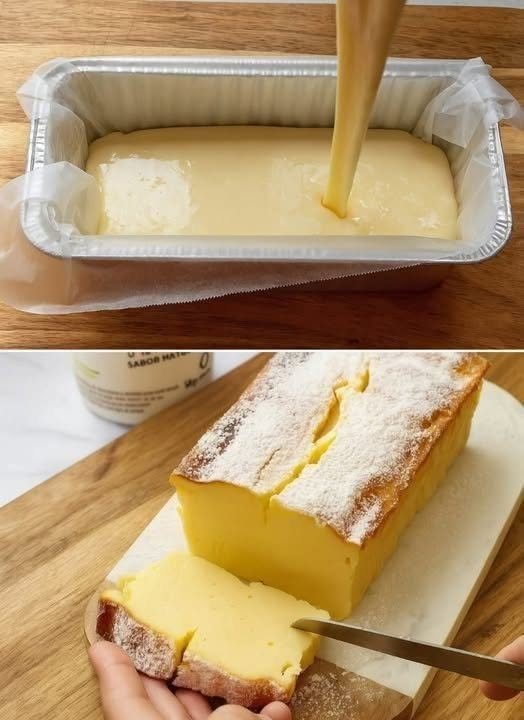
Some desserts don’t need fancy decorations or complicated techniques to feel special. This homemade vanilla custard cake is a perfect example. With its beautiful golden top, delicate texture, creamy yellow center, and light dusting of powdered sugar, it looks like something you’d find in a lovely little bakery.
Honestly, I love recipes like this because they turn everyday ingredients into something that feels a little luxurious. Eggs, milk, sugar, butter, and vanilla come together to create a dessert that’s somewhere between a soft cake and a rich baked custard. It’s smooth, tender, lightly sweet, and absolutely delicious when chilled.
The first time I made a dessert like this, I was surprised by how simple the ingredients were compared with how elegant the finished slices looked. I usually serve it with a little powdered sugar on top and a cup of tea or coffee. It’s especially lovely when you want something homemade but don’t feel like making frosting or assembling several cake layers.
If you enjoy creamy desserts, delicate vanilla flavors, and cakes that practically melt in your mouth, this easy custard cake recipe is worth trying.
Why You’ll Love This Creamy Custard Cake
- Simple ingredients: You probably already have most of them in your kitchen.
- Creamy texture: The center is soft, smooth, and custard-like.
- Beautiful presentation: A golden crust and powdered sugar make every slice look special.
- No frosting needed: The cake is delicious just as it is.
- Perfect for make-ahead desserts: Chilling helps the custard set and makes slicing easier.
- Great for sharing: Serve it at family gatherings, afternoon tea, or weekend get-togethers.
Recipe Overview
- Prep time: 15–20 minutes
- Cook time: 45–60 minutes
- Cooling time: 1–2 hours, plus chilling
- Total time: Approximately 2–4 hours, including cooling and chilling
- Servings: 8
- Course: Dessert
- Cuisine: European-inspired
- Difficulty: Easy to moderate
This is a custard-style cake inspired by the dessert shown in the photo. The exact original recipe isn’t available, so the measurements and method below are a practical home-cooking version designed to produce a soft, creamy result.
Ingredients for Vanilla Custard Cake
For the best flavor, I recommend using whole milk, fresh eggs, and real vanilla extract. These basic ingredients make a noticeable difference in a dessert where vanilla and custard are the stars.
Ingredients
- 4 large eggs, separated
- ¾ cup (150 g) granulated sugar
- ½ cup (115 g) unsalted butter, melted and cooled slightly
- 2 cups (480 ml) whole milk, lukewarm
- ¾ cup (95 g) all-purpose flour
- 2 teaspoons vanilla extract
- 1 tablespoon water
- ¼ teaspoon salt
- Powdered sugar, for dusting
Optional Ingredients
- ½ teaspoon lemon zest for a fresh, delicate flavor
- ½ teaspoon almond extract for a subtle bakery-style aroma
- Fresh berries for serving
A quick ingredient tip: The milk should be lukewarm, not hot. Very hot milk can cook the eggs prematurely, while cold milk may cause the melted butter to solidify and make the batter harder to mix smoothly.
How to Make Vanilla Custard Cake Step by Step
Step 1: Prepare the Baking Pan
Preheat your oven to 325°F (160°C).
Line an approximately 8-by-4-inch loaf pan with parchment paper, leaving a little overhang on the sides so you can lift the cake out easily. Alternatively, use an 8-inch square baking pan for a thinner cake.
Lightly grease the parchment paper if needed.
I usually prepare the pan before mixing anything because this batter is quite thin, and it’s much easier to pour it straight into a ready pan.
Step 2: Separate the Eggs
Separate the egg whites from the yolks, placing them in two clean mixing bowls.
Make sure no yolk gets into the whites. Even a small amount of fat can make it difficult to whip the whites into a fluffy foam.
Set the egg whites aside while you prepare the custard mixture.
Step 3: Whisk the Egg Yolks and Sugar
Add the egg yolks and granulated sugar to a large bowl.
Whisk for 2–3 minutes until the mixture becomes pale and slightly thickened.
Pour in the melted butter, vanilla extract, and tablespoon of water. Whisk again until everything is combined.
At this point, the mixture should look smooth and glossy.
Step 4: Add the Flour
Sift the all-purpose flour and salt into the egg yolk mixture.
Whisk gently until the flour is incorporated and no large lumps remain.
Don’t worry if the mixture seems thicker than you expected. The milk will loosen it in the next step.
Step 5: Gradually Pour in the Milk
Slowly add the lukewarm milk while whisking continuously.
Keep mixing until you have a thin, smooth batter.
This thinner consistency is important for a custard-style cake. It won’t resemble traditional thick cake batter, so don’t be tempted to add extra flour just to make it thicker.
If a few small lumps remain, strain the mixture through a fine-mesh sieve.
Step 6: Whip the Egg Whites
Using a clean electric mixer, beat the egg whites until they form stiff but not dry peaks.
This usually takes about 3–5 minutes, depending on your mixer.
The whites should look glossy and hold their shape when you lift the beaters.
I find that this step makes a big difference in the final texture. The whipped whites help create a lighter upper layer while the rest of the batter bakes into a creamy custard.
Step 7: Gently Fold the Egg Whites Into the Batter
Add about one-third of the whipped egg whites to the thin yolk mixture and whisk gently to lighten it.
Then fold in the remaining egg whites using a spatula. Use slow movements from the bottom of the bowl toward the top.
It’s perfectly normal for some small white streaks or soft lumps of egg white to remain. Avoid vigorous mixing because you don’t want to knock out all the air.
Step 8: Pour the Batter Into the Pan
Pour the mixture into the prepared loaf pan.
Because the batter is thin, hold the pan steady and transfer it carefully to the oven.
Tap the pan very lightly on the counter to release any unusually large air bubbles, but don’t overdo it.
Step 9: Bake Until Set
Bake for approximately 45–60 minutes, depending on the size and material of your pan and your oven.
The top should become golden, while the center should look set but may still have a slight gentle wobble.
If the top browns too quickly, loosely cover it with foil during the final part of baking.
The cake will continue to firm up as it cools. Avoid waiting for it to become completely firm in the oven, as that can result in a dry or rubbery custard.
Step 10: Cool the Cake Completely
Remove the cake from the oven and let it cool in the pan.
Once it reaches room temperature, cover it and refrigerate for at least 2–3 hours, preferably longer, to help the custard set.
I know it’s tempting to cut into it immediately, especially when the kitchen smells like warm vanilla, but chilling makes a real difference. You’ll get cleaner slices and a more delicate, creamy texture.
Step 11: Slice and Add Powdered Sugar
Lift the chilled cake out of the pan using the parchment paper.
Place it on a serving board and dust the top generously with powdered sugar.
Use a sharp knife to cut neat slices, wiping the blade between cuts if needed.
Serve chilled or allow the slices to sit at room temperature briefly before serving for a slightly softer texture.
Tips for the Best Creamy Custard Cake
1. Measure the flour carefully
Too much flour can make the cake dense and bready rather than creamy. For the most consistent results, use a kitchen scale if you have one.
2. Use room-temperature eggs
Egg whites whip more easily when they’re not refrigerator-cold. Separate the eggs while cold if that is easier, then let the whites come closer to room temperature before whipping.
3. Don’t skip the egg-white whipping step
The whipped egg whites help create the delicate texture that makes this style of cake different from ordinary vanilla cake.
4. Fold gently
Use a spatula and slow movements to incorporate the whites. Some deflation is normal, but vigorous stirring can make the final cake denser.
5. Don’t expect thick batter
The batter should be thin and pourable. This is part of what gives the dessert its custard-like consistency.
6. Watch the oven temperature
Custard desserts are sensitive to heat. Baking at a moderate temperature helps the center cook without making the edges tough.
7. Chill before slicing
This is probably my most important tip. A properly chilled cake is easier to handle and gives you the smooth, neat slices you see in bakery-style desserts.
8. Adjust for your pan
A deeper loaf pan may need more baking time than a shallow square pan. Start checking toward the earlier end of the baking range, then continue until the center is set.
What Does Vanilla Custard Cake Taste Like?
This cake has a delicate vanilla flavor with a lightly sweet, buttery taste. The outside develops a thin golden layer, while the inside is soft and smooth.
Unlike a traditional sponge cake, it isn’t airy all the way through. Its texture is closer to a combination of baked custard and a very tender cake.
The chilled center feels rich without needing frosting, and the powdered sugar adds just enough sweetness to finish each bite.
Serving Suggestions
This homemade custard cake is delicious on its own, but a few simple additions can make it feel even more special.
- Fresh strawberries: Their slight tartness complements the creamy vanilla flavor.
- Fresh raspberries or blueberries: Add color and a fruity contrast.
- Whipped cream: A small spoonful makes the dessert feel extra indulgent.
- Berry sauce: Drizzle a little raspberry or strawberry sauce over each slice.
- Caramel sauce: Perfect if you prefer a richer, sweeter dessert.
- Coffee or tea: My favorite simple pairing for an afternoon treat.
- Vanilla ice cream: Serve alongside a slice for a dessert that feels restaurant-worthy.
For a simple presentation, I usually keep it classic with powdered sugar and a few fresh berries. The golden top is attractive enough without needing much decoration.
Make-Ahead, Storage, and Freezing Instructions
Can You Make Custard Cake Ahead of Time?
Yes! In fact, this cake is often easier to slice after chilling overnight.
Prepare it a day ahead, allow it to cool, and refrigerate it in a covered container. Dust with powdered sugar shortly before serving for the prettiest finish.
How to Store Vanilla Custard Cake
Because this cake contains eggs and milk, store it covered in the refrigerator at 40°F (4°C) or below.
For the best texture and flavor, enjoy it within 3–4 days.
Avoid leaving it at room temperature for more than two hours.
Can You Freeze Custard Cake?
You can freeze individual slices, although freezing may slightly change the smooth texture of the custard.
Wrap each fully chilled slice tightly, place it in a freezer-safe container, and freeze for up to one month for best quality.
Thaw overnight in the refrigerator before serving. Avoid repeatedly freezing and thawing the cake, as this can cause moisture separation.
Common Mistakes to Avoid
- Adding hot milk: Hot milk can partially cook the eggs before the batter reaches the oven.
- Overmixing the egg whites: This can deflate the mixture and make the cake denser.
- Adding too much flour: Excess flour takes away from the delicate custard texture.
- Baking at too high a temperature: The edges may overcook before the center sets.
- Cutting the cake while hot: The custard needs time to cool and firm up.
- Using an unlined pan: Custard-style cakes can be delicate, so parchment paper makes removal much easier.
Approximate Nutrition Information
The following estimates are based on eight servings using the ingredients listed above. Actual values vary depending on the size of the eggs, type of milk, and exact ingredient measurements.
- Calories: 280–320 kcal
- Protein: 6–8 g
- Carbohydrates: 30–35 g
- Fat: 15–18 g
- Saturated fat: 8–10 g
- Sugar: 20–24 g
- Fiber: Less than 1 g
- Sodium: 100–160 mg
These figures are estimates rather than laboratory-tested nutrition values. For more precise information, calculate the nutrition using the specific brands and quantities you use.
Frequently Asked Questions
1. Why is my vanilla custard cake still soft in the middle?
A custard-style cake should be soft, but the center shouldn’t be liquid. If it looks wet or sloshes when you gently move the pan, it likely needs more baking time. Return it to the oven in 5–10-minute increments, checking the center each time. Remember that it will firm up further as it cools and chills.
2. Is custard cake the same as magic cake?
Not exactly, although the two desserts are closely related. Magic cake is known for forming distinct layers during baking, often including a denser bottom, creamy middle, and lighter top. This custard cake uses a similar separated-egg technique, but the number and definition of the layers depend on the recipe and baking conditions.
3. Can I make this cake without separating the eggs?
You can make a vanilla custard cake using whole eggs, but the texture will be different. Separating and whipping the whites helps produce a lighter, more delicate result. If you want the texture shown in the photo, I recommend following the separated-egg method.
4. Why did my custard cake turn out dense?
A dense cake may result from egg whites that weren’t whipped sufficiently, overmixing after folding, too much flour, or an oven temperature that was too high. Make sure your mixing bowl and beaters are clean, whip the whites until they hold their shape, and fold them in gently.
5. Should vanilla custard cake be served warm or cold?
I recommend serving it chilled because the center sets more firmly and the slices look neater. If you prefer a softer, creamier mouthfeel, let a slice stand at room temperature for about 10–15 minutes before eating. Keep the remaining cake refrigerated.