
Homemade Lemon Curd Recipe

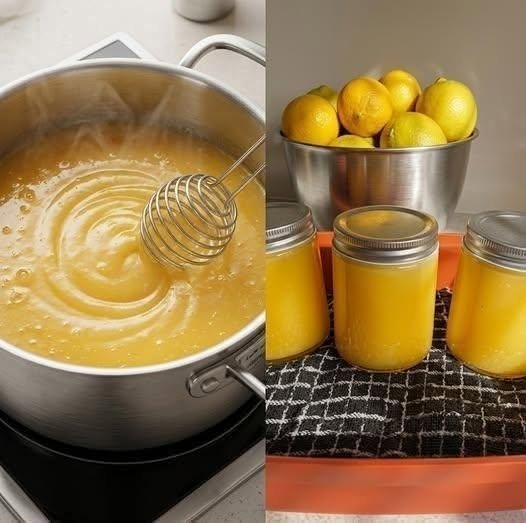
If you love the fresh, sweet, and tangy taste of lemons, you’re going to fall in love with this homemade lemon curd recipe!
There is something special about making lemon curd from scratch. I love how a few simple ingredients transform into a beautiful, thick, silky-smooth spread with the most delicious citrus flavor. Honestly, once you’ve tried homemade lemon curd, it’s hard to go back to store-bought versions.
This easy lemon curd is made with fresh lemon juice, lemon zest, sugar, eggs, and butter. Everything gently cooks together until it becomes rich, creamy, and wonderfully smooth.
I usually make a batch whenever I have extra fresh lemons in the kitchen. It is perfect for spreading on warm toast, filling cakes, topping pancakes, or serving alongside freshly baked scones.
The best part? You don’t need any special equipment or complicated techniques. Just a saucepan, a whisk, and a little patience.
If you’re looking for an easy homemade lemon spread that tastes fresh, buttery, sweet, and slightly tart, this recipe is definitely worth saving!
Why You’ll Love This Homemade Lemon Curd
- Fresh lemon flavor: Real lemon juice and zest give it a bright, refreshing citrus taste.
- Simple ingredients: You only need a handful of everyday ingredients.
- Smooth and creamy: Butter and eggs create a rich, velvety texture.
- Versatile: Use it in cakes, cupcakes, tarts, cookies, pancakes, and more.
- Make-ahead friendly: Prepare it in advance and keep it refrigerated.
- Better than store-bought: Homemade lemon curd has a wonderful fresh flavor and customizable sweetness.
Preparation and Cooking Time
| Category | Time |
|---|---|
| Prep time | 10 minutes |
| Cook time | 15 minutes |
| Cooling time | 1–2 hours |
| Total time | About 1 hour 25 minutes |
| Servings | 16 |
| Difficulty | Easy |
Ingredients for Homemade Lemon Curd
You only need a few simple ingredients to make this delicious homemade lemon curd.
Main Ingredients
- ½ cup (120 ml) freshly squeezed lemon juice
- 1 tablespoon finely grated lemon zest
- 1 cup (200 g) granulated sugar
- 3 large eggs
- 1 egg yolk
- ½ cup (115 g) unsalted butter, cut into small cubes
- A small pinch of salt
- ½ teaspoon vanilla extract (optional)
Choosing the Best Lemons
Fresh lemons make a big difference in this recipe.
I usually choose lemons that feel heavy for their size because they tend to contain more juice. Look for bright yellow lemons with smooth, firm skin.
Before juicing them, wash and dry the lemons thoroughly. Zest them first, making sure to grate only the yellow outer skin and avoid the bitter white pith.
How to Make Homemade Lemon Curd
Making lemon curd at home is easier than you might think. Follow these simple steps for a perfectly creamy result.
Step 1: Prepare the Lemons
Wash your lemons and dry them with a clean kitchen towel.
Using a fine grater or zester, grate approximately one tablespoon of lemon zest.
Cut the lemons in half and squeeze out the juice. Remove any seeds and strain the juice if necessary.
Set everything aside.
I prefer using freshly squeezed lemon juice because it gives the curd a much brighter flavor than bottled juice.
Step 2: Combine the Sugar, Eggs, and Lemon
In a medium-sized heatproof saucepan, add the granulated sugar, eggs, egg yolk, lemon juice, lemon zest, and a pinch of salt.
Whisk everything together until the mixture looks smooth and well combined.
Don’t worry if it looks quite thin at this stage. It will thicken as it cooks.
Step 3: Cook the Lemon Mixture
Place the saucepan over low to medium-low heat.
Whisk continuously while the mixture gently heats.
This is an important step because constant whisking helps prevent the eggs from scrambling or sticking to the bottom of the pan.
Continue cooking for approximately 8–12 minutes, or until the mixture thickens enough to coat the back of a spoon.
For food safety and a reliable texture, use an instant-read thermometer and cook the egg mixture to approximately 160°F (71°C), stirring constantly.
Avoid boiling the mixture.
Step 4: Add the Butter
Once the lemon mixture has thickened, remove the saucepan from the heat.
Add the butter cubes gradually, whisking after each addition until the butter has completely melted.
The butter gives the lemon curd its beautiful glossy appearance and rich, creamy texture.
Add the optional vanilla extract and whisk again.
Step 5: Strain for a Silky-Smooth Texture
For an extra-smooth lemon curd, pour the mixture through a fine-mesh sieve into a clean bowl.
This removes lemon zest pieces and any small bits of cooked egg that may have formed.
Use a spatula to gently push the mixture through the sieve.
Honestly, I recommend this step if you want that lovely, smooth texture you see in bakery-style lemon curd.
Step 6: Transfer to Glass Jars
While the lemon curd is still warm, carefully spoon or pour it into clean glass jars.
Leave a little space at the top and wipe the jar rims if necessary.
Allow the jars to cool briefly, then cover and refrigerate promptly.
The lemon curd will become thicker as it chills.
Step 7: Chill Until Thick and Creamy
Refrigerate the lemon curd for at least 1–2 hours, or until completely chilled and set.
Once cooled, it should have a thick, smooth, spreadable consistency.
Your homemade lemon curd is ready!
Enjoy it on toast, pancakes, biscuits, cakes, or straight from the spoon.
Helpful Tips for the Best Homemade Lemon Curd
A few simple tips can help you get perfect lemon curd every time.
1. Always Use Fresh Lemons
Freshly squeezed lemon juice gives the curd its wonderful natural flavor. Bottled lemon juice can taste less fresh and may affect the final result.
2. Cook Over Low Heat
Don’t rush the cooking process. Gentle heat allows the eggs to thicken the mixture without scrambling.
3. Keep Whisking
Constant whisking is one of the most important steps. It helps create a smooth consistency and prevents the mixture from sticking to the bottom of the saucepan.
4. Don’t Skip the Butter
Butter adds richness, softness, and a beautiful glossy finish. Use unsalted butter so you can control the amount of salt in the recipe.
5. Strain the Lemon Curd
Straining removes zest and any tiny cooked egg pieces. This gives you a smooth, professional-looking finish.
6. Let It Chill Properly
Warm lemon curd is naturally thinner. Don’t worry if it seems a little loose when you first pour it into the jars. It will thicken considerably in the refrigerator.
7. Adjust the Sweetness
If you prefer a more tart lemon curd, you can slightly reduce the sugar. However, avoid making large changes because sugar also contributes to the texture.
Delicious Ways to Use Homemade Lemon Curd
One of my favorite things about homemade lemon curd is how many different ways you can enjoy it.
Here are some delicious serving ideas:
- Toast: Spread a generous layer over warm buttered toast.
- Pancakes: Add a spoonful to pancakes or waffles for a fresh citrus topping.
- Scones: Serve with warm homemade scones and a little whipped cream.
- Cakes: Use it as a filling between cake layers.
- Cupcakes: Add a small spoonful inside cupcakes for a surprise lemon center.
- Cheesecake: Swirl it over cheesecake or use it as a topping.
- Tarts: Fill sweet pastry shells with lemon curd for beautiful lemon tarts.
- Yogurt: Stir a little into plain Greek yogurt for a quick citrus dessert.
- Cookies: Sandwich it between shortbread cookies for a delicious treat.
My personal favorite is spreading lemon curd over warm toast with a cup of tea. It’s simple, but honestly, so delicious!
How to Store Homemade Lemon Curd
Since homemade lemon curd contains eggs and butter, proper refrigeration is important.
Refrigerator Storage
Transfer the lemon curd into clean, airtight containers or glass jars.
Refrigerate promptly at 40°F (4°C) or below and use within 1–2 weeks.
Always use a clean spoon when serving to help prevent contamination.
Freezer Storage
Lemon curd freezes beautifully.
Transfer it into freezer-safe airtight containers, leaving a little room for expansion.
Freeze for up to 3 months for best quality.
When you’re ready to use it, thaw it overnight in the refrigerator and stir gently until smooth.
Important Storage Note
Although lemon curd is often stored in glass jars, this recipe is not a shelf-stable canning recipe. Do not store it at room temperature or treat ordinary jar lids as a preservation method. Keep it refrigerated or frozen.
Common Mistakes to Avoid
Even though lemon curd is easy to make, there are a few mistakes worth avoiding.
Cooking over high heat: This can cause the eggs to scramble. Keep the temperature low and whisk constantly.
Not whisking enough: The mixture can stick or develop lumps if left unattended.
Adding butter too early: Wait until the lemon mixture has thickened and been removed from the heat.
Using too much lemon zest: The white pith can add bitterness, so zest only the yellow outer layer.
Skipping the chilling time: Lemon curd needs time in the refrigerator to develop its final thick consistency.
Approximate Nutrition Information
The following nutrition information is estimated per serving, based on 16 servings.
| Nutrient | Amount |
|---|---|
| Calories | 145 kcal |
| Carbohydrates | 17 g |
| Protein | 2 g |
| Fat | 8 g |
| Saturated Fat | 5 g |
| Sugar | 16 g |
| Cholesterol | 55 mg |
| Sodium | 25 mg |
Nutrition information is approximate and may vary depending on the size of the eggs and the ingredients used.
Frequently Asked Questions
1. Why is my homemade lemon curd not thickening?
Lemon curd needs enough gentle heat and time for the eggs to thicken the mixture. Continue whisking over low to medium-low heat until it reaches approximately 160°F (71°C) and coats the back of a spoon. Remember that it will become thicker after refrigeration.
2. Can I make lemon curd without a double boiler?
Yes! You can make lemon curd directly in a regular heavy-bottomed saucepan. Just keep the heat low and whisk continuously. A double boiler is another option if you prefer gentler heat.
3. How long does homemade lemon curd last?
Homemade lemon curd generally lasts 1–2 weeks in the refrigerator when stored in a clean, airtight container at 40°F (4°C) or below. You can also freeze it for up to 3 months for best quality.
4. Can I use bottled lemon juice instead of fresh lemons?
Fresh lemon juice is highly recommended because it provides a brighter, more natural citrus flavor. Bottled lemon juice may be used in a pinch, but the taste will not be quite the same. Fresh lemon zest is especially important for that wonderful lemon aroma.
5. Why does my lemon curd taste too tart?
Lemon curd naturally has a tangy flavor, but the balance depends on the lemons you use. Some lemons are more acidic than others. If you prefer a sweeter curd, increase the sugar slightly the next time you make it. You can also serve it with sweet biscuits, pancakes, or whipped cream.