
Homemade Pickled Beets Recipe

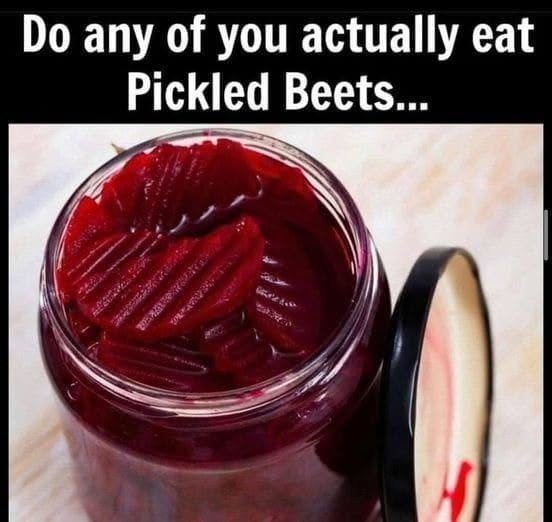
Have you ever opened a jar of pickled beets and wondered why something so simple tastes so good? Honestly, pickled beets are one of those old-fashioned foods that people either absolutely love or aren’t quite sure what to do with. But if you enjoy a sweet, tangy flavor with a little earthy goodness, homemade pickled beets are definitely worth trying!
I usually think of pickled beets as the kind of side dish that quietly steals the show. Their deep ruby-red color makes any meal look more interesting, and that delicious combination of vinegar, sugar, and tender beets is hard to resist. You can serve them with roasted meat, add them to a fresh salad, or simply enjoy a few slices straight from the jar.
The best part? Making pickled beets at home is surprisingly easy. You don’t need fancy equipment or complicated ingredients, and you can adjust the sweetness and tanginess to suit your taste.
In this recipe, I’ll show you how to make easy homemade refrigerator pickled beets using fresh beets and a simple vinegar brine. They’re colorful, flavorful, and perfect for keeping in the refrigerator whenever you want a quick, tasty addition to your meals.
Why You’ll Love This Pickled Beets Recipe
- Easy to make: The ingredients are simple, and the process is beginner-friendly.
- Sweet and tangy: Vinegar adds a bright, tangy flavor while sugar balances the natural earthiness of the beets.
- Beautiful color: Those gorgeous red-purple slices make an ordinary plate look special.
- Versatile: Enjoy them with salads, sandwiches, burgers, roasted vegetables, or your favorite main dishes.
- Easy to customize: You can add garlic, mustard seeds, or warm spices to create your own favorite flavor.
Ingredients for Homemade Pickled Beets
This recipe makes approximately 8 servings, depending on how much you serve at a time.
For the Beets
- 2 pounds fresh beets (about 900 g)
- Water, as needed for boiling
- 1/2 teaspoon salt, for the cooking water (optional)
For the Pickling Brine
- 1 cup white distilled vinegar (240 ml)
- 1 cup water (240 ml)
- 1/2 cup granulated sugar (about 100 g)
- 1 teaspoon salt
- 1/2 teaspoon whole black peppercorns (optional)
- 1/2 teaspoon mustard seeds (optional)
- 1 small garlic clove, peeled (optional)
A quick ingredient note: I usually use white vinegar because it gives the beets a clean, sharp tang and helps preserve their beautiful color. Apple cider vinegar also works, although it gives the finished beets a slightly fruitier flavor.
How to Make Pickled Beets Step by Step
Step 1: Wash the Beets
Start by washing the fresh beets thoroughly under running water. Use a vegetable brush to remove any dirt, especially around the root ends.
Trim the leafy tops, leaving about an inch of stem attached. Try not to cut too close to the beet itself before cooking, as this can cause some of the color to bleed into the cooking water.
I usually choose beets that are similar in size so they cook at roughly the same rate.
Step 2: Cook the Beets Until Tender
Place the cleaned beets in a large saucepan and cover them with water.
Bring the water to a boil, then reduce the heat and let the beets simmer for about 30–45 minutes, depending on their size. Smaller beets may cook faster, while larger ones can take longer.
To check for doneness, insert a small knife into the thickest part of a beet. If it slides in easily, the beets are ready.
Drain the beets and let them cool until they’re comfortable enough to handle.
My tip: Don’t rush this step. Properly cooked beets should be tender but not mushy, so they’ll hold their shape nicely when sliced.
Step 3: Peel and Slice the Beets
Once the beets have cooled, gently rub off the skins using your fingers or a paper towel. The skins should come away fairly easily.
Trim the remaining stem and root ends, then slice the beets into rounds or wedges.
For that classic jarred pickled beet look, I prefer thin, even slices. They absorb the brine nicely and are easy to serve alongside other foods.
If you prefer a chunkier texture, simply cut them into bite-sized pieces instead.
Step 4: Prepare the Pickling Brine
In a medium saucepan, combine the white vinegar, water, sugar, and salt.
Add the black peppercorns, mustard seeds, and garlic if you’re using them.
Bring the mixture to a gentle boil over medium heat, stirring occasionally until the sugar and salt dissolve completely. Let it simmer briefly, then remove it from the heat.
Give the brine a taste once it’s no longer piping hot, if desired. You can adjust the sweetness slightly for your next batch, but keep the vinegar and water proportions unchanged if you’re following a tested preservation recipe.
Honestly, this simple brine is what makes the recipe so good. It balances the natural sweetness of the beets with a bright, refreshing tang.
Step 5: Fill the Jar
Wash a clean glass jar and its lid thoroughly with hot, soapy water, then rinse well.
Place the sliced beets into the jar, arranging them neatly without packing them so tightly that the liquid can’t circulate.
Carefully pour the warm pickling brine over the beets until they’re completely covered.
Let the jar cool briefly, then close it and place it in the refrigerator once it has cooled sufficiently. Avoid leaving it at room temperature for an extended period.
Step 6: Let the Flavors Develop
You can technically taste the beets once they’ve cooled, but I recommend waiting at least 24 hours for the flavors to develop.
After a day in the refrigerator, the vinegar and seasonings begin to work their way into the slices. After about 2–3 days, the flavor is often even better.
I usually find that a little patience makes a noticeable difference. The beets become more flavorful, and every slice gets that lovely sweet-and-sour taste.
Important storage note: This is a refrigerator pickled beet recipe, not a shelf-stable canning recipe. Keep the beets refrigerated at 40°F (4°C) or below and use them within 2–3 weeks for best quality. Always use a clean utensil when serving, and discard them if you notice mold, unusual odors, or other signs of spoilage. Do not store this recipe in the pantry.
Tips for the Best Homemade Pickled Beets
1. Choose Fresh, Firm Beets
Look for beets that feel firm and have smooth skins. Smaller or medium-sized beets are often tender and easy to slice.
2. Wear Gloves if You Want to Avoid Stains
Beet juice can stain your hands, cutting boards, and light-colored countertops. I usually wear disposable gloves when peeling and slicing them, especially if I’m preparing a large batch.
If your cutting board is light-colored, wash it promptly after use.
3. Slice the Beets Evenly
Uniform slices absorb the brine more consistently and look much prettier in the jar. A sharp knife makes the job easier.
4. Adjust the Flavor to Your Preference
If you like sweeter pickled beets, you can experiment with the sugar level for refrigerator batches. For a sharper flavor, try apple cider vinegar or add a little extra seasoning.
However, don’t casually reduce the vinegar or change the vinegar-to-water ratio in a recipe intended for shelf-stable canning.
5. Let Them Chill Before Serving
Although you can eat them sooner, refrigerated pickled beets taste better after the flavors have had time to develop.
6. Use the Right Storage Method
Always refrigerate this quick-pickle recipe. If you want to preserve pickled beets at room temperature, use a tested water-bath canning recipe with the specified vinegar acidity, ingredient proportions, jar preparation, and processing time.
What to Serve with Pickled Beets
One of the things I love about pickled beets is how easily they fit into different meals. Their bright color and tangy flavor can make even a simple lunch feel a little more special.
Here are a few easy serving ideas.
With Roasted or Grilled Meat
Serve pickled beets alongside roasted chicken, grilled beef, pork, or lamb. Their acidity provides a refreshing contrast to rich, savory dishes.
In Fresh Salads
Add sliced pickled beets to a green salad with spinach, lettuce, cucumber, and crumbled feta cheese. A handful of walnuts or sunflower seeds adds a pleasant crunch.
With Sandwiches and Burgers
Use a few slices as a tangy side for sandwiches, burgers, wraps, or grilled cheese. They add color and a refreshing bite.
On a Cheese Board
Pair pickled beets with sharp cheddar, creamy goat cheese, crackers, and nuts. The sweet-and-sour flavor complements rich cheeses beautifully.
With Eggs
Serve a few slices alongside boiled eggs, scrambled eggs, or a simple breakfast plate.
As a Simple Side Dish
Sometimes the easiest option is the best one. Drain a small portion, place it in a bowl, and serve it chilled with your favorite homemade meal.
Recipe Variations to Try
Once you’ve made the basic version, there are several easy ways to change the flavor.
Garlic pickled beets: Add a small peeled garlic clove to the jar for a savory note.
Spiced pickled beets: Add whole cloves, a cinnamon stick, or a few allspice berries to the brine for a warmer, old-fashioned flavor.
Mustard seed pickled beets: Use mustard seeds and black peppercorns for a subtle spice that complements the earthy beets.
Apple cider vinegar pickled beets: Replace the white vinegar with apple cider vinegar of 5% acidity for a fruitier flavor.
Less-sweet pickled beets: For refrigerator pickles, experiment with a smaller amount of sugar if you prefer a sharper taste. Keep in mind that sugar reduction can change the balance of the finished recipe, and this is not a substitute for a tested canning formula.
How to Store Homemade Pickled Beets
Store your pickled beets in a clean, covered glass jar in the refrigerator at 40°F (4°C) or below.
Make sure the beet slices remain submerged in the brine, and use a clean fork or spoon every time you serve them.
For the best quality, aim to eat them within 2–3 weeks. This is a conservative home-storage recommendation for this quick-pickle recipe, not a guarantee that the beets will remain safe for that entire period under every condition.
Never assume that vinegar alone makes homemade pickled vegetables safe to store at room temperature. This recipe has not been designed or tested for pantry storage.
Nutrition Information
The following nutrition information is approximate and will vary depending on the size of your beets, how much brine you consume, and the amount of sugar absorbed by the slices.
Estimated nutrition per serving (about 1/2 cup):
- Calories: 75
- Carbohydrates: 17 g
- Protein: 2 g
- Fat: 0 g
- Fiber: 3 g
- Total sugars: 13 g
- Sodium: 300 mg
These estimates are intended as a general guide rather than a laboratory-tested nutrition analysis. The actual sodium and sugar content can vary considerably depending on the portion size and how much pickling liquid is eaten.
Frequently Asked Questions About Pickled Beets
1. Are pickled beets good for you?
Beets contain fiber, folate, potassium, and other nutrients. Pickled beets can be a flavorful way to include vegetables in your meals. However, the added sugar and salt in the brine can increase their sugar and sodium content, so portion size and individual dietary needs matter.
2. How long do homemade pickled beets last in the refrigerator?
For this recipe, use the pickled beets within 2–3 weeks for best quality, keeping them refrigerated at 40°F (4°C) or below. Always use clean utensils and discard the contents if you notice signs of spoilage. This recipe is not intended for room-temperature storage.
3. Can I make pickled beets without sugar?
Yes, you can experiment with reducing or omitting sugar in a refrigerator pickle recipe. The result will taste noticeably more tart and earthy. Sugar is primarily used for flavor in this recipe, but any changes should be limited to refrigerated quick pickles rather than untested shelf-stable canning recipes.
4. How long should pickled beets sit before eating?
You can taste them once they’ve cooled, but waiting at least 24 hours in the refrigerator gives the flavors time to develop. I usually prefer them after 2–3 days because the sweet, tangy brine has more time to flavor the slices.
5. Can I use canned beets instead of fresh beets?
Yes, plain canned beets can be a convenient shortcut. Drain them first, then prepare the brine and pour it over the beets. Let them chill in the refrigerator for at least 24 hours before serving. Avoid canned beets that are already heavily seasoned or sweetened unless you want to adjust the flavor accordingly.
Final Thoughts on Homemade Pickled Beets
Homemade pickled beets are simple, colorful, and full of that delicious sweet-and-tangy flavor that makes an ordinary side dish memorable. With fresh beets, a handful of pantry ingredients, and a little time in the refrigerator, you can make a batch that’s easy to serve with everything from salads and sandwiches to roasted dinners.
Honestly, I think one of the best things about this recipe is how little effort it takes. Once the beets are cooked and the brine is ready, the refrigerator does most of the work.
Make a batch, let the flavors develop overnight, and see how you like them. You might find yourself reaching for a few slices whenever you need something bright, tangy, and delicious alongside your meal.