
Old-Fashioned Crispy Potato Pancakes

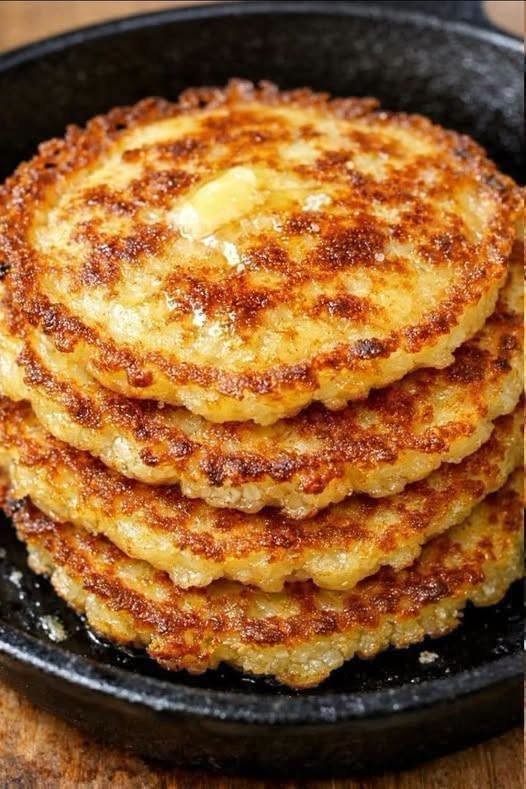
My daddy grew up eating these old-fashioned potato pancakes, and honestly, once I started making them myself, I understood why he loved them so much. They’re golden and crispy around the edges, soft and tender in the middle, and made with simple ingredients that most of us already have in the kitchen.
I usually make a fresh batch on Sunday mornings. There’s something special about standing in the kitchen, listening to the pancakes sizzle in a hot skillet, and watching everyone wander in asking when breakfast will be ready. The smell of buttery potatoes cooking is enough to get the whole family out of bed!
And you know what makes this recipe even sweeter? The church ladies always ask me how I make them. I tell them there’s nothing fancy about it. Just good potatoes, a few pantry staples, a little seasoning, and the patience to let those edges get beautifully golden.
If you’ve been looking for an easy homemade potato pancake recipe with that old-fashioned, country-kitchen flavor, you’re in the right place. These crispy potato pancakes are perfect for breakfast, brunch, or even a simple weeknight supper.
So grab your skillet, peel a few potatoes, and let’s make a batch of the kind of food that brings everybody to the table.
Why You’ll Love These Old-Fashioned Potato Pancakes
- Simple ingredients: You don’t need anything fancy or expensive to make them.
- Crispy outside, tender inside: That golden crust is what makes every bite so satisfying.
- Perfect for Sunday breakfast: They’re filling, comforting, and easy to share.
- Budget-friendly: Potatoes, eggs, flour, and onion go a long way.
- Easy to customize: Add your favorite seasonings or serve them with sweet or savory toppings.
Ingredients for Homemade Potato Pancakes
This recipe makes approximately 8 medium potato pancakes, depending on how large you make them.
What You’ll Need
- 4 medium russet potatoes, about 1½ pounds
- 1 small yellow onion, finely grated or minced
- 2 large eggs
- ¼ cup all-purpose flour
- 1 teaspoon salt, or to taste
- ½ teaspoon black pepper
- ½ teaspoon garlic powder, optional
- ¼ teaspoon paprika, optional
- 3–4 tablespoons vegetable oil, for frying
- 1 tablespoon butter, optional, for extra flavor
A little note from my kitchen: I usually reach for russet potatoes because they have plenty of starch and help the pancakes develop those wonderfully crispy edges. Yukon Gold potatoes work, too, if you prefer a slightly creamier texture.
How to Make Old-Fashioned Crispy Potato Pancakes
Step 1: Prepare the Potatoes
Peel the potatoes and rinse them under cool water. Using the large holes of a box grater, grate the potatoes into a large mixing bowl.
Grate the onion, too, and mix it with the potatoes. The onion adds a lovely savory flavor without overpowering the potatoes.
If you prefer a more rustic texture, you can leave the potatoes slightly chunky. That’s how I like them when I’m craving that homemade, country-style taste.
Step 2: Remove the Extra Moisture
This step is important if you want crispy potato pancakes instead of soggy ones.
Transfer the grated potatoes and onion to a clean kitchen towel or cheesecloth. Gather the edges and squeeze out as much liquid as possible over the sink.
Honestly, don’t rush this part. Potatoes hold a surprising amount of water, and removing that excess moisture helps the pancakes brown beautifully.
If the potatoes begin turning brown while you work, don’t worry too much. You’ll be mixing them with the other ingredients shortly.
Step 3: Mix the Batter
Place the drained potatoes and onion in a clean bowl.
Add the eggs, flour, salt, black pepper, and optional garlic powder and paprika. Stir everything together until the potatoes are evenly coated.
The mixture should hold together when you scoop it up. If it seems extremely wet, add another tablespoon of flour. If it feels too dry to bind, make sure the eggs are thoroughly mixed through the potatoes before adding anything else.
You want a mixture that’s easy to shape but still has plenty of shredded potato texture.
Step 4: Heat the Skillet
Place a large heavy skillet over medium heat. A cast-iron skillet is wonderful for this recipe because it holds heat well and gives the pancakes an even, golden crust.
Add enough vegetable oil to lightly coat the bottom of the pan. If you’d like a richer flavor, add a small amount of butter once the oil is hot.
Let the oil heat for a minute or two. To test it, carefully add a tiny bit of the potato mixture. If it sizzles immediately, you’re ready to cook.
Don’t let the oil smoke. If it starts smoking, reduce the heat before adding the pancakes.
Step 5: Shape the Potato Pancakes
Scoop about ¼ cup of the potato mixture into the hot skillet for each pancake.
Flatten each mound gently with the back of a spoon or spatula until it’s about ¼ inch thick.
I usually cook three or four pancakes at a time, depending on the size of my skillet. Leaving a little room between them helps the heat circulate and keeps the edges from steaming instead of crisping.
Step 6: Fry Until Golden and Crispy
Cook the pancakes for about 3–5 minutes on the first side, or until the bottoms are deep golden brown and the edges look crisp.
Carefully flip each pancake with a thin spatula. Cook the other side for another 3–5 minutes, adjusting the heat as needed.
The centers should be tender and fully cooked, with no raw potato texture remaining. If your pancakes are thicker, they may need a little extra cooking time over slightly lower heat.
Transfer the finished pancakes to a wire rack or a paper towel-lined plate while you cook the remaining batches.
Step 7: Serve Them Warm
If you’re making a big batch for Sunday breakfast, keep the cooked pancakes warm in a 200°F oven while you finish frying.
Serve them hot, with a little butter melting over the top. That first bite of crispy potato, sweet onion, and buttery goodness is exactly why this recipe has stood the test of time.
And if somebody wanders into the kitchen asking for just one more pancake, well, that’s usually a sign you’ve done something right!
My Best Tips for Perfect Potato Pancakes
1. Squeeze Out as Much Liquid as Possible
This is my number-one tip. Wet potatoes can cause the pancakes to fall apart and prevent them from crisping properly. Take an extra minute to squeeze them dry.
2. Don’t Make the Pancakes Too Thick
Thin-to-medium pancakes cook more evenly and develop more crispy edges. Around ¼ inch thick is a good starting point.
3. Use Medium Heat
If the skillet is too hot, the outside may burn before the center cooks. If it’s too cool, the pancakes can soak up oil and turn greasy.
Medium heat usually gives me the best results, but every stove is a little different.
4. Avoid Crowding the Pan
Cooking too many pancakes at once lowers the temperature of the skillet. Work in batches so each pancake has room to brown.
5. Don’t Flip Too Early
Let the first side develop a golden crust before turning the pancake. If it sticks or breaks apart, it may need another minute.
6. Keep Them Crispy in the Oven
A wire rack set over a baking sheet is ideal for holding finished pancakes in a warm oven. Air can circulate underneath, helping the bottoms stay crisp.
7. Season to Your Family’s Taste
I keep the basic version simple, but you can add chopped fresh chives, a pinch of cayenne pepper, or a little extra black pepper if your family enjoys more flavor.
What to Serve With Potato Pancakes
One of the best things about homemade potato pancakes is how well they fit into almost any meal.
For a Hearty Country Breakfast
Serve them with:
- Scrambled or fried eggs
- Crispy bacon or breakfast sausage
- Buttered toast or homemade biscuits
- Fresh fruit or sliced tomatoes
- A hot cup of coffee
For a Simple Brunch
Try serving the pancakes with sour cream, chopped chives, and a platter of fresh fruit. A little applesauce on the side is also delicious if you enjoy a sweet-and-savory combination.
For Sunday Supper
These potato pancakes make a wonderful side dish alongside roasted chicken, meatloaf, pork chops, or a simple vegetable dinner.
My Favorite Toppings
- A pat of butter
- Sour cream
- Applesauce
- Sliced green onions
- Shredded cheddar cheese
- A sprinkle of fresh parsley
Honestly, sometimes all they need is a little butter and a pinch of salt. You can’t go wrong with the classics!
How to Store and Reheat Leftover Potato Pancakes
If you happen to have leftovers, don’t throw them away. They make a delicious quick breakfast the next day.
Refrigerator: Let the pancakes cool, then store them in an airtight container for up to 3–4 days.
Freezer: Arrange cooled pancakes in a single layer until frozen, then transfer them to a freezer-safe bag or container. For best quality, use within about 2 months.
Skillet: Reheat over medium-low heat with a small amount of oil until warmed through and crispy.
Oven: Place them on a baking sheet and heat at 375°F for about 8–12 minutes, flipping halfway through.
Air fryer: Reheat at 350°F for approximately 3–5 minutes, checking that they’re heated through.
I usually prefer the skillet because it brings those crispy edges right back to life.
Recipe Variations to Try
Once you’ve mastered the basic recipe, it’s easy to make it your own.
- Cheesy potato pancakes: Add ½ cup of shredded cheddar cheese to the mixture.
- Herbed potato pancakes: Mix in chopped parsley, chives, or dill.
- Extra-savory pancakes: Add a little smoked paprika or garlic powder.
- Loaded potato pancakes: Serve with sour cream, shredded cheese, and sliced green onions.
- Leftover mashed potato pancakes: Use a separate recipe or method designed for cooked mashed potatoes, since their texture and ingredient ratios differ from freshly grated potatoes.
For the classic version, though, I recommend starting with grated russet potatoes, onion, eggs, flour, and simple seasonings. Sometimes the simplest recipes really are the best.
Approximate Nutrition Information
The following nutrition estimates are for one potato pancake, assuming the recipe makes 8 pancakes and includes a moderate amount of the frying oil.
- Calories: 150–180
- Carbohydrates: 22–25 g
- Protein: 3–4 g
- Fat: 5–7 g
- Saturated fat: 1–2 g
- Fiber: 2 g
- Sugar: 1–2 g
- Sodium: 250–350 mg
These values are approximate and will vary depending on the size of the pancakes, the amount of oil absorbed during frying, and any toppings you add. Butter, sour cream, cheese, and other toppings will increase the totals.
Frequently Asked Questions
1. Why are my potato pancakes falling apart?
Potato pancakes usually fall apart when the mixture contains too much moisture or doesn’t have enough binding ingredients. Squeeze the grated potatoes thoroughly, make sure the eggs are evenly mixed in, and add another tablespoon of flour if needed. Allowing the skillet to heat properly before adding the mixture also helps the pancakes form a crust.
2. How do I make potato pancakes extra crispy?
The secret is removing excess moisture, using a hot but not smoking skillet, and avoiding overcrowding. Flatten the pancakes so they’re relatively thin, then leave them undisturbed until the first side is golden brown. For the crispiest results, drain the cooked pancakes on a wire rack instead of stacking them.
3. Can I make potato pancake batter ahead of time?
It’s best to cook the pancakes soon after preparing the batter because freshly grated potatoes can discolor and release more liquid as they sit. If you need to save time, you can peel and grate the potatoes shortly before cooking, then drain and mix the batter just before frying. For an even easier morning, cook the pancakes ahead and reheat them in the oven or skillet.
4. What are the best potatoes for homemade potato pancakes?
Russet potatoes are my first choice because their high starch content helps create crispy edges and a tender center. Yukon Gold potatoes are another good option if you prefer a slightly creamier texture. Both work well, but be sure to squeeze out excess liquid regardless of the variety.
5. Can I bake potato pancakes instead of frying them?
Yes! Arrange the pancakes on a lightly oiled baking sheet and brush or spray the tops with a little oil. Bake at 425°F for approximately 20–30 minutes, flipping halfway through, until golden and cooked through. Baked pancakes may not have exactly the same crispness as skillet-fried ones, but they’re a convenient alternative.
A Little Sunday Morning Tradition Worth Keeping
There’s a reason old-fashioned recipes like these crispy potato pancakes never seem to go out of style. They don’t require expensive ingredients, complicated instructions, or a kitchen full of fancy equipment. They simply bring together a few humble ingredients and turn them into something special.
Every time I make these on Sunday morning, I think about my daddy growing up with the same kind of comforting food. I think about family gathered around the table, warm pancakes coming straight from the skillet, and those church ladies asking for the recipe one more time.