
Perfect Poached Eggs Recipe

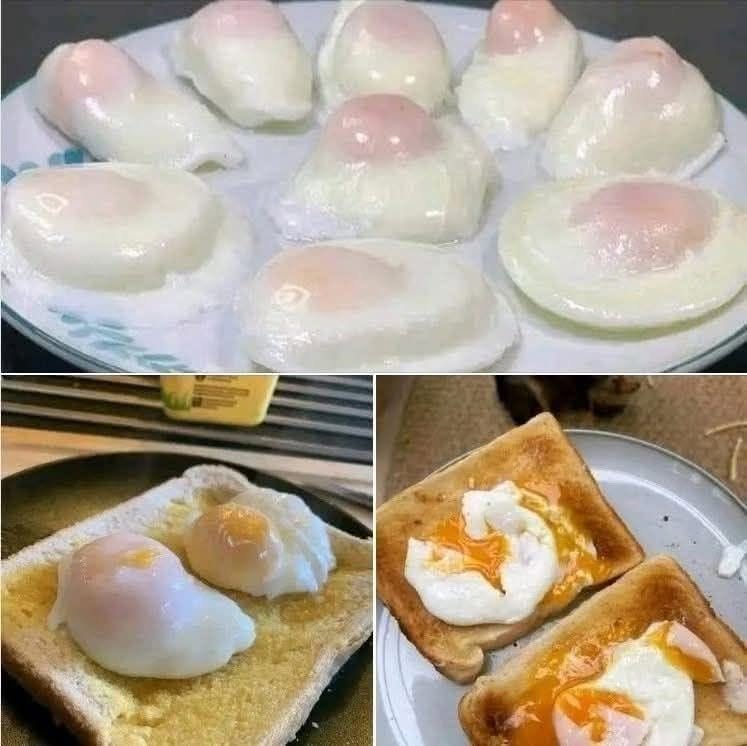
There is something special about a perfectly cooked poached egg. The soft, delicate egg white wrapped around a warm, creamy yolk makes such a simple breakfast feel like something from a fancy café.
Honestly, I used to think making poached eggs at home was difficult. I would either end up with messy egg whites floating everywhere or yolks that were completely overcooked! But after a little practice, I discovered that making beautiful poached eggs is much easier than it looks.
This homemade poached eggs recipe is simple, requires just a few ingredients, and gives you lovely, soft eggs that are perfect for serving on crispy toast.
Whether you enjoy them for breakfast, brunch, or a light meal, these eggs are delicious, satisfying, and surprisingly easy to prepare.
If you love eggs with a soft center and a delicate white coating, this recipe is definitely worth trying!
Why You’ll Love This Poached Eggs Recipe
- Easy to make: You only need a few basic kitchen ingredients.
- Healthy breakfast: Eggs provide protein and essential nutrients.
- Beautiful presentation: Perfectly shaped poached eggs look wonderful on a breakfast plate.
- Versatile: Enjoy them with toast, sandwiches, salads, or vegetables.
- No frying required: These eggs are gently cooked in water.
Ingredients You’ll Need
The best thing about homemade poached eggs is that you probably already have everything in your kitchen.
Ingredients
- 2 large fresh eggs
- 4 cups water
- 1 tablespoon white vinegar (optional)
- A pinch of salt
- A pinch of black pepper
- Buttered toast, for serving
- Fresh parsley or coriander, for garnish (optional)
A little tip: Fresh eggs are especially important for poaching because their whites hold together better during cooking.
How to Make Perfect Poached Eggs
Follow these simple steps to make soft, delicious poached eggs with beautifully cooked whites and runny yolks.
Step 1: Prepare the Water
Take a medium-sized saucepan and pour in approximately 4 cups of water.
Place it over medium heat and bring the water to a gentle simmer.
Avoid letting the water boil vigorously. Strong boiling can break apart the egg whites and make your poached eggs look messy.
Step 2: Prepare the Eggs
Crack each egg into a small bowl or cup.
I usually do this separately instead of cracking the eggs directly into the saucepan. It makes transferring them into the water much easier.
If your eggs are very watery, you can strain away the thinnest part of the egg white using a fine-mesh strainer.
Step 3: Add Vinegar
Add approximately one tablespoon of white vinegar to the simmering water.
Vinegar is optional, but it can help the egg whites set more quickly and hold their shape.
Don’t worry about the vinegar flavor. A small amount generally won’t noticeably affect the finished eggs.
Step 4: Create a Gentle Whirlpool
Using a spoon, gently stir the water in a circular motion to create a small whirlpool.
This technique helps the egg white wrap around the yolk.
For beginners, you can also skip this step and carefully slide the egg into still, gently simmering water.
Step 5: Add the Egg
Slowly slide one egg from the small bowl into the center of the water.
Allow it to cook without disturbing it.
If you’re preparing two eggs, you can poach them separately or add them carefully one at a time, depending on the size of your saucepan.
Step 6: Cook Until Perfect
Allow the egg to cook for approximately 3–4 minutes.
For a runny yolk, 3 minutes is usually a good starting point. If you prefer a firmer yolk, cook it for another minute or two.
You’ll notice that the egg white becomes opaque and forms a soft coating around the yolk.
Step 7: Remove Carefully
Use a slotted spoon to gently lift the poached egg out of the water.
Allow excess water to drain away.
If necessary, place the egg briefly on a paper towel to remove additional moisture.
Step 8: Season and Serve
Place your freshly poached eggs on warm, buttered toast.
Sprinkle with a little salt and freshly ground black pepper.
You can also add chopped parsley, coriander, chili flakes, or your favorite seasoning.
Your delicious homemade poached eggs are ready to enjoy!
Tips for Making Perfect Poached Eggs Every Time
I have learned that a few small details can make a big difference when preparing poached eggs.
Here are some tips worth remembering:
1. Always use fresh eggs
Fresh eggs have thicker whites, which help them maintain a neat, rounded shape while cooking.
2. Don’t boil the water too hard
A gentle simmer is ideal. Aggressive boiling can break apart the egg whites.
3. Use a small bowl
Cracking the egg into a bowl first makes it easier to transfer without breaking the yolk.
4. Don’t overcook
If you love runny yolks, keep a close eye on the cooking time. Even an extra minute can make a difference.
5. Avoid overcrowding the saucepan
Cooking too many eggs at once can make them difficult to handle. Work in batches if necessary.
6. Drain the eggs properly
Excess water can make your toast soggy, so always allow the eggs to drain before serving.
What to Serve With Poached Eggs
Poached eggs are incredibly versatile. You can enjoy them in several delicious ways.
Here are some of my favorite serving ideas:
- Buttered toast: A classic combination that never disappoints.
- Avocado toast: Spread mashed avocado over toasted bread and add a poached egg on top.
- Breakfast sandwiches: Add poached eggs to sandwiches with cheese, lettuce, and tomatoes.
- Fresh salad: Serve over leafy greens with tomatoes and cucumber.
- Sautéed vegetables: Pair with mushrooms, spinach, or bell peppers.
- Potatoes: Serve alongside crispy roasted or pan-fried potatoes.
For a more filling breakfast, I usually recommend two poached eggs with whole-wheat toast and some fresh fruit.
Variations You Can Try
Once you learn the basic technique, you can experiment with different flavors and serving styles.
1. Poached Eggs on Toast
Serve your eggs over golden, buttered toast. When you cut into the yolk, it creates a delicious natural sauce for the bread.
2. Spicy Poached Eggs
Add a sprinkle of chili flakes, black pepper, and paprika for a little extra flavor.
3. Avocado Poached Eggs
Spread creamy mashed avocado on toast and top with a perfectly poached egg.
4. Cheesy Poached Eggs
Add a little grated cheese over warm toast before placing the egg on top.
5. Herb-Flavored Poached Eggs
Finish with fresh parsley, coriander, chives, or dill for a fresh and fragrant breakfast.
How to Store Leftover Poached Eggs
Poached eggs taste best when freshly prepared, but you can make them ahead of time.
If you want to prepare them in advance:
- Cook the eggs as directed.
- Transfer them immediately into a bowl of ice water to stop the cooking process.
- Store them in a covered container in the refrigerator.
- Use within 1–2 days.
- Reheat gently in hot (not boiling) water until warmed through.
Always refrigerate cooked eggs promptly and avoid leaving them at room temperature for extended periods.
Nutrition Information
Here is an approximate nutritional breakdown for one large poached egg.
| Nutrient | Amount |
|---|---|
| Calories | 72 kcal |
| Protein | 6.3 g |
| Fat | 4.8 g |
| Carbohydrates | 0.4 g |
| Cholesterol | 186 mg |
| Sodium | 71 mg |
Nutrition values are approximate and may vary depending on egg size and preparation.
If you serve two poached eggs with buttered toast, the total nutritional values will be higher depending on the bread and amount of butter used.
Conclusion
Making perfect poached eggs at home doesn’t have to be complicated. With fresh eggs, gently simmering water, and a few simple techniques, you can prepare beautiful, delicious eggs with soft whites and creamy, runny yolks.
I honestly love how versatile this recipe is. You can serve poached eggs on crispy toast, add them to a fresh salad, or enjoy them alongside your favorite breakfast foods.
The next time you’re looking for an easy and satisfying breakfast, give this homemade poached eggs recipe a try. Once you get the hang of it, you might find yourself making it again and again!
If you try this recipe, don’t forget to share how your poached eggs turned out. Happy cooking!
Frequently Asked Questions (FAQs)
1. How long does it take to poach an egg?
A typical poached egg takes approximately 3–4 minutes to cook in gently simmering water. Cook for longer if you prefer a firmer yolk.
2. Do I need vinegar to make poached eggs?
No, vinegar is optional. However, adding a little white vinegar can help the egg whites set faster and maintain their shape.
3. Why do my poached eggs fall apart in water?
This usually happens when the eggs aren’t very fresh or the water is boiling too vigorously. Use fresh eggs and maintain a gentle simmer for better results.
4. Can I make poached eggs without a special egg poacher?
Absolutely! You don’t need any special equipment. A regular saucepan, water, a small bowl, and a slotted spoon are enough to make delicious poached eggs.
5. How do I get a runny yolk in poached eggs?
Cook your egg for approximately 3 minutes in gently simmering water. Remove it carefully with a slotted spoon and allow excess water to drain before serving.