
Slow Cooker Beef Ragu Pasta

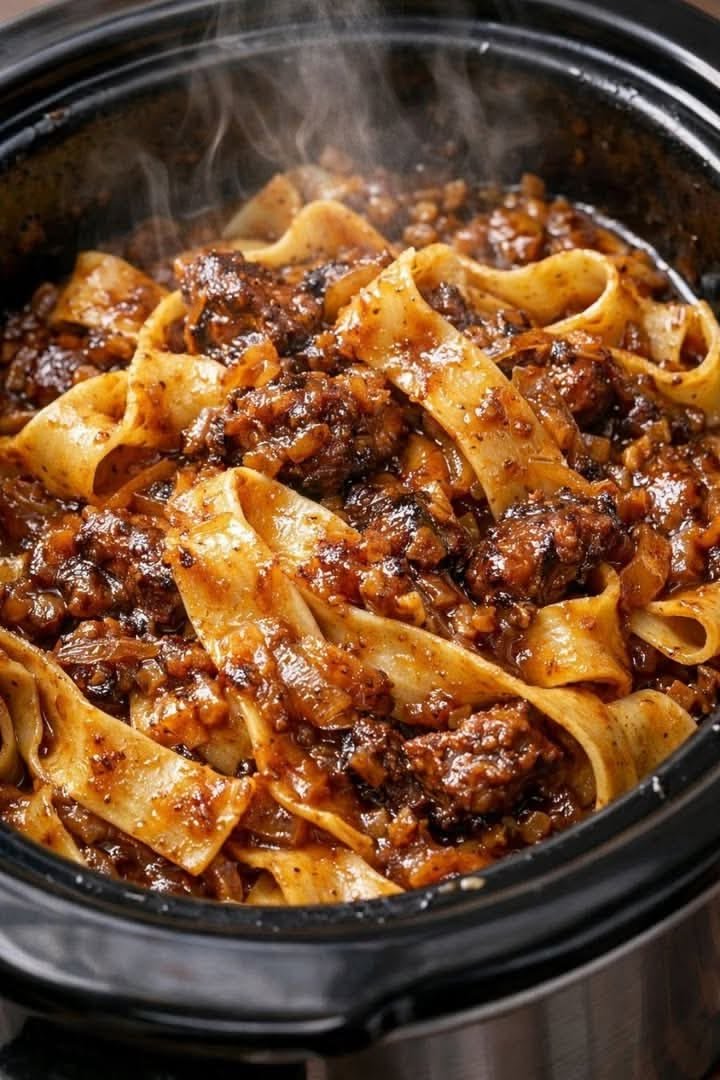
There is something about a big bowl of pasta coated in a rich, meaty tomato sauce that just feels like home. And honestly, when that sauce has been slowly simmering for hours until the beef is tender and practically falling apart, it becomes something extra special.
This slow cooker beef ragu pasta is one of those recipes I love making when I want a hearty, comforting meal without spending the entire evening in the kitchen. I usually get everything ready in the morning, let the slow cooker do its thing, and come back to a kitchen that smells absolutely amazing.
The sauce is made with slow-cooked beef, tomatoes, onions, garlic, and a handful of simple seasonings. As everything cooks together, the beef becomes beautifully tender, and the sauce develops a deep, savory flavor that tastes like it took much more effort than it actually did.
I like serving this ragu with wide pasta ribbons, such as pappardelle or tagliatelle, because they catch all that delicious sauce. A little freshly grated Parmesan on top is the finishing touch.
Whether you’re cooking for your family, preparing a cozy Sunday dinner, or making something special for guests, this slow cooker beef ragu is a recipe worth keeping.
Why You’ll Love This Slow Cooker Beef Ragu Recipe
-
- Easy preparation: Most of the cooking happens in the slow cooker, so you can get on with your day.
-
- Tender, flavorful beef: Slow cooking gives tougher cuts of beef plenty of time to become soft and shreddable.
-
- Rich tomato sauce: Tomatoes, garlic, herbs, and beef create a wonderfully savory sauce.
-
- Perfect for meal prep: The sauce tastes even better after the flavors have had time to mingle.
-
- Family-friendly comfort food: Serve it with pasta, and you’ve got a satisfying meal everyone can enjoy.
-
- Great for leftovers: The beef ragu reheats beautifully, making it ideal for lunch the next day.
Recipe Details
-
- Prep time: 20 minutes
-
- Cooking time: 7–8 hours on LOW or 4–5 hours on HIGH
-
- Pasta cooking time: 10–15 minutes, depending on the pasta
-
- Total time: Approximately 7 hours 30 minutes to 8 hours 30 minutes on LOW
-
- Servings: 6
-
- Cooking method: Slow cooker
-
- Cuisine: Italian-inspired
Ingredients for Slow Cooker Beef Ragu Pasta
For the Beef Ragu Sauce
-
- 2 poun
- ds (900 g) beef chuck roast, cut into large chunks
-
- 1 tablespoon olive oil
-
- 1 medium onion, finely chopped
-
- 2 medium carrots, finely diced
- 2 celery stalks, finely diced
-
- 4 garlic cloves, minced
-
- 2 tablespoons tomato paste
-
- 1 can (28 ounces/800 g) crushed tomatoes
-
- **1 cup (240 ml) beef broth
-
- 1 tablespoon Worcestershire sauce
-
- 1 teaspoon dried oregano
-
- 1 teaspoon dried basil
-
- 1 teaspoon salt, or to taste
-
- ½ teaspoon freshly ground black pepper
-
- 1 bay leaf
-
- ½ teaspoon red pepper flakes, optional
-
- ½ cup (120 ml) dry red wine, optional
For the Pasta
-
- 1 pound (450 g) pappardelle, tagliatelle, or fettuccine
-
- Salt, for the pasta water
-
- ½ cup freshly grated Parmesan cheese, plus extra for serving
-
- Fresh parsley or basil, chopped, for garnish
-
- A little reserved pasta water, as needed
Ingredient Notes and Substitutions
Beef chuck roast: This is my preferred cut because it contains enough connective tissue to become tender and flavorful during slow cooking. Beef brisket or boneless beef short ribs can also work.
Crushed tomatoes: These form the base of the sauce. If you prefer a slightly chunkier texture, use chopped canned tomatoes instead.
Beef broth: This adds depth and helps create a savory sauce. Choose a low-sodium variety if you want more control over the saltiness.
Red wine: I sometimes use red wine when I want a deeper, more robust flavor. If you don’t cook with wine, simply replace it with additional beef broth.
Pasta: Wide noodles are especially good here, but rigatoni, pappardelle, tagliatelle, and fettuccine all work well.
How to Make Slow Cooker Beef Ragu Pasta
Follow these simple steps for tender beef and a rich, flavorful sauce.
Step 1: Prepare the Vegetables and Beef
Start by chopping the onion, carrots, and celery into small pieces. Mince the garlic and cut the beef chuck into large chunks if it isn’t already prepared.
Pat the beef dry with paper towels and season it with salt and black pepper.
I usually take a few extra minutes at this stage to prepare everything before turning on the slow cooker. It makes the rest of the process much easier.
Step 2: Brown the Beef for Extra Flavor
Heat the olive oil in a large skillet over medium-high heat. Working in batches, sear the beef on all sides until it develops a deep brown crust.
You don’t need to cook the beef through. The goal is simply to build flavor on the outside.
Transfer the browned beef to your slow cooker.
Can you skip this step? Absolutely. If you’re short on time, you can add the raw beef directly to the slow cooker. However, browning adds a richer, more savory flavor that I think is worth the extra effort.
Step 3: Cook the Aromatics
In the same skillet, add the chopped onion, carrots, and celery. Cook for about 4–5 minutes, stirring occasionally, until the vegetables begin to soften.
Add the minced garlic and tomato paste. Cook for another minute, stirring well.
If you’re using red wine, pour it into the skillet and scrape up any browned bits from the bottom. Let it simmer for 2–3 minutes.
Transfer the vegetables and any flavorful liquid into the slow cooker.
Step 4: Add the Tomatoes and Seasonings
Pour the crushed tomatoes and beef broth over the beef and vegetables.
Add the Worcestershire sauce, dried oregano, dried basil, bay leaf, and red pepper flakes if you’re using them.
Stir gently to distribute the seasonings, making sure the beef is nestled into the sauce.
The mixture may look a little loose at this point, but don’t worry. As the beef cooks and releases its juices, the flavors will blend into a delicious sauce.
Step 5: Slow Cook Until the Beef Is Tender
Cover the slow cooker and cook on LOW for 7–8 hours or HIGH for 4–5 hours.
Cooking times can vary depending on your slow cooker and the size of the beef pieces, so use tenderness as your main guide.
The beef is ready when it can be pulled apart easily with two forks.
I usually prefer the LOW setting because it gives the meat plenty of time to soften and allows the sauce to develop a deep, rich flavor.
Step 6: Shred the Beef and Finish the Sauce
Remove the bay leaf and transfer the beef to a plate or cutting board.
Use two forks to shred the meat into bite-sized pieces. Return the shredded beef to the slow cooker and stir it into the sauce.
Taste and adjust the seasoning with additional salt, black pepper, or a little more oregano if needed.
If the sauce looks too thin, leave the slow cooker uncovered for a short time if your appliance’s instructions allow it, or transfer the sauce to a skillet and simmer it until thickened. You can also remove some liquid before shredding the beef.
The finished sauce should be thick enough to cling to the pasta without being dry.
Step 7: Cook the Pasta
Bring a large pot of water to a boil. Add a generous amount of salt, then cook the pasta according to the package directions until al dente.
Before draining, reserve about one cup of pasta water.
I recommend cooking the pasta just until it still has a little bite. It will taste better when tossed with the warm ragu rather than becoming too soft on the plate.
Step 8: Toss the Pasta with the Beef Ragu
Add the drained pasta to a large bowl or skillet. Spoon in plenty of beef ragu and toss gently until the pasta is evenly coated.
Add a splash of reserved pasta water if needed. The starchy water helps the sauce cling to the noodles and gives everything a silky finish.
Stir in some grated Parmesan cheese and toss again.
Step 9: Garnish and Serve
Divide the pasta among serving bowls and spoon extra beef ragu over the top.
Finish with freshly grated Parmesan, chopped parsley or basil, and a little freshly ground black pepper.
Serve immediately while everything is hot.
The combination of tender beef, thick tomato sauce, and wide pasta ribbons makes this a wonderfully satisfying meal.
My Best Tips for the Perfect Beef Ragu
1. Choose the Right Cut of Beef
Beef chuck is ideal for slow cooker ragu because it becomes tender during long cooking. Lean cuts can become dry or stringy, so I generally avoid using very lean steak for this recipe.
2. Don’t Rush the Cooking Time
If the beef is still tough, it usually needs more time rather than less. Keep cooking until it shreds easily with a fork.
3. Brown the Beef When You Can
This step is optional, but it adds a lovely roasted flavor. It also creates browned bits in the skillet that can be incorporated into the sauce.
4. Avoid Adding Too Much Liquid
Slow cookers retain moisture, so you typically need less liquid than you would for a stovetop sauce. Stick to the recipe measurements initially, then adjust the consistency near the end.
5. Cook Pasta Separately
I recommend cooking the pasta in a separate pot rather than adding dry pasta directly to the slow cooker. This gives you better control over the texture and prevents the noodles from absorbing too much sauce.
6. Finish with Pasta Water
A small splash of reserved pasta water can make the sauce smoother and help it cling to every noodle. Add it gradually so the sauce doesn’t become watery.
7. Taste Before Serving
Tomatoes, broth, and Parmesan all contribute different levels of saltiness. Taste the sauce at the end and adjust the seasoning as needed.
8. Make It Ahead
Honestly, this is one of those dishes that can taste even better the next day. The sauce has more time to develop its flavor, and the leftovers make an easy lunch or dinner.
What to Serve with Beef Ragu Pasta
This slow cooker beef ragu is hearty enough to serve on its own, but a few simple sides can make the meal feel extra special.
Garlic Bread
Warm garlic bread is perfect for scooping up any leftover sauce. I love serving a crusty loaf with garlic butter and parsley.
Fresh Green Salad
A crisp salad with lettuce, cucumber, cherry tomatoes, and a light vinaigrette balances the richness of the beef ragu.
Roasted Vegetables
Roasted broccoli, zucchini, carrots, or bell peppers make easy, flavorful sides that complement the tomato-based sauce.
Steamed Green Beans
Green beans with a little olive oil, lemon juice, and black pepper are a simple way to add something fresh to the plate.
Extra Parmesan and Fresh Herbs
Never underestimate the finishing touches. Freshly grated Parmesan and chopped basil or parsley add color and flavor without much effort.
Variations to Try
Once you’ve made the basic recipe, it’s easy to adjust it to suit your preferences.
Beef and mushroom ragu: Add sliced mushrooms with the onions and carrots for a deeper, earthy flavor.
Spicy beef ragu: Increase the red pepper flakes for a little extra heat.
Vegetable-packed ragu: Add finely chopped zucchini or extra carrots. Add quick-cooking vegetables toward the end if you want them to retain more texture.
Gluten-free beef ragu: Use your favorite gluten-free pasta and check that the broth, Worcestershire sauce, and other packaged ingredients are gluten-free.
Dairy-free beef ragu: Leave out the Parmesan or use a suitable dairy-free alternative.
Beef ragu with rigatoni: Swap the wide pasta ribbons for rigatoni. The hollow centers hold plenty of the thick meat sauce.
How to Store and Reheat Leftovers
One of the best things about this recipe is how well it works for meal prep.
Refrigerating
Allow the beef ragu to cool slightly, then refrigerate it in an airtight container within two hours of cooking. Store the sauce and pasta separately when possible for the best texture.
The sauce will generally keep for 3–4 days in the refrigerator.
Freezing
Beef ragu freezes well. Transfer the cooled sauce to freezer-safe containers, leaving a little room at the top for expansion.
Freeze for up to 3 months for best quality. Thaw overnight in the refrigerator before reheating.
I prefer freezing the sauce without the pasta because freshly cooked noodles have a much better texture.
Reheating
Reheat the sauce in a saucepan over medium-low heat, stirring occasionally, until it reaches 165°F (74°C). Add a splash of water or beef broth if it has thickened too much.
You can also reheat individual portions in the microwave, stirring partway through to distribute the heat evenly.
Cook fresh pasta when possible, then toss it with the reheated sauce.
Approximate Nutrition Information
The following values are estimates for one serving, assuming the recipe makes six servings and includes pasta, beef ragu, and a moderate amount of Parmesan.
-
- Calories: 650–750 kcal
-
- Protein: 40–45 g
-
- Carbohydrates: 60–70 g
-
- Fat: 22–30 g
-
- Saturated fat: 8–12 g
-
- Fiber: 4–6 g
-
- Sugar: 8–12 g
-
- Sodium: 650–950 mg
Actual nutrition will vary depending on the beef cut, pasta brand, broth, serving size, and amount of cheese used. These figures are estimates, not laboratory-tested values.
Frequently Asked Questions
1. Can I put raw beef directly into the slow cooker?
Yes. You can place the seasoned beef directly into the slow cooker with the vegetables, tomatoes, broth, and seasonings. Browning the meat first is optional, but it adds extra flavor and a richer finish to the sauce.
2. Can I cook beef ragu on HIGH instead of LOW?
Yes. Cook it on HIGH for approximately 4–5 hours or on LOW for 7–8 hours. The exact time depends on your slow cooker and the size of the beef pieces. The beef should shred easily when it’s ready.
3. What is the best pasta for beef ragu?
Pappardelle is a classic choice because its wide ribbons hold the rich sauce beautifully. Tagliatelle and fettuccine are also excellent options. If you prefer short pasta, try rigatoni or penne.
4. Can I make slow cooker beef ragu ahead of time?
Definitely. Prepare the sauce a day or two in advance and refrigerate it in an airtight container. Reheat it gently before tossing it with freshly cooked pasta. You can also freeze the sauce for convenient future meals.
5. Why is my beef ragu sauce too watery?
Slow cookers trap moisture, which can leave the sauce thinner than expected. Remove the beef and simmer the sauce in a skillet until it reduces, or uncover the slow cooker for a short period if the manufacturer’s instructions permit it. Avoid adding extra broth unless the sauce genuinely needs more liquid.
Final Thoughts
This slow cooker beef ragu pasta is the kind of comforting meal that makes an ordinary dinner feel a little more special. The beef cooks slowly until it’s tender, the tomato sauce becomes rich and savory, and the pasta brings everything together into a hearty, satisfying bowl.
What I especially love is that most of the work happens at the beginning. Once everything is in the slow cooker, you can get on with your day and return to a meal that feels like it has been lovingly prepared for hours.
Serve it with garlic bread, a simple green salad, and plenty of Parmesan, and you’ve got a dinner that works just as well for a relaxed weekend as it does for a busy weeknight.
If you try this recipe, don’t skip that final toss with a little pasta water. It’s a small step, but it really helps the sauce cling to the noodles.