
Sticky Garlic Soy Chicken Bites Recipe

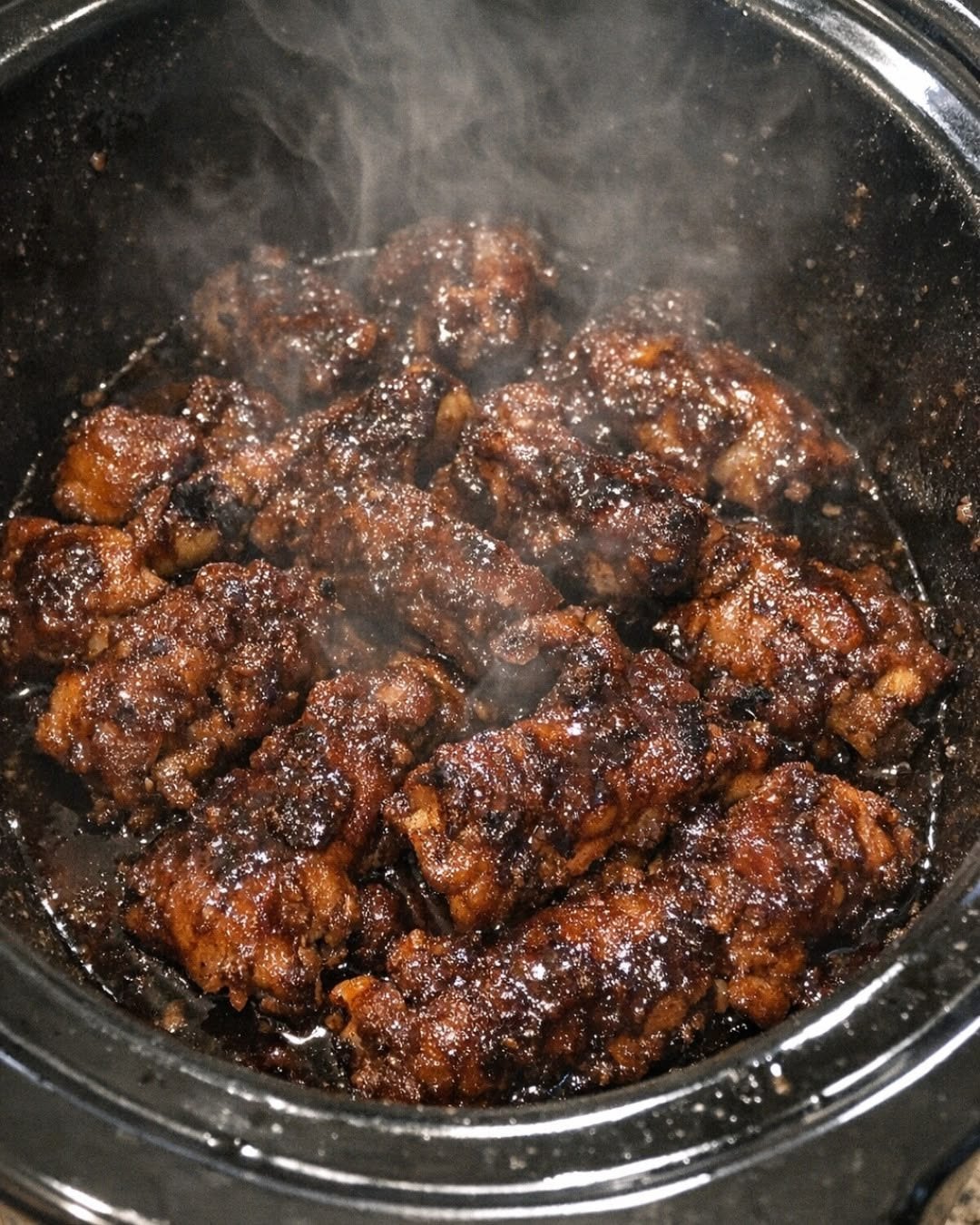
If you love chicken that’s tender on the inside, beautifully caramelized on the outside, and coated in a rich, sticky sauce, you’re going to love these sticky garlic soy chicken bites!
Honestly, this is the kind of recipe I turn to when I want something that tastes like takeout but is easy enough to make at home. The chicken develops those gorgeous dark, glossy edges as the sauce thickens, while the combination of garlic, soy sauce, honey, and a little brown sugar creates the perfect balance of sweet, salty, and savory flavors.
I usually make this recipe in a skillet because it gives the chicken a lovely browned crust and allows the sauce to reduce quickly. The best part? You don’t need any fancy ingredients or complicated cooking techniques.
Serve these sticky chicken bites over steamed rice, with stir-fried vegetables, or alongside your favorite noodles. They’re perfect for a quick weeknight dinner, but honestly, they’re tasty enough to serve when friends or family come over, too!
Why You’ll Love This Recipe
- Big flavor with simple ingredients: Soy sauce, garlic, honey, and a few pantry staples do all the work.
- A delicious sticky glaze: The sauce clings to every piece of chicken, creating a glossy, caramelized finish.
- Easy to customize: Make it spicy, sweeter, or more garlicky depending on your taste.
- Perfect for busy evenings: Everything comes together in one pan.
- Great for meal prep: Pair the chicken with rice and vegetables for easy lunches throughout the week.
Ingredients You’ll Need
This recipe makes approximately 4 servings.
For the chicken
- 700 g (about 1½ lb) boneless, skinless chicken thighs, cut into bite-sized pieces
- 1 tablespoon cornstarch
- ½ teaspoon salt, or to taste
- ½ teaspoon black pepper
- 1 teaspoon paprika
- 1 tablespoon cooking oil
For the sticky garlic soy sauce
- 4 garlic cloves, finely minced
- ¼ cup (60 ml) soy sauce
- 3 tablespoons honey
- 1 tablespoon brown sugar
- 1 tablespoon tomato ketchup
- 1 tablespoon rice vinegar or regular vinegar
- ¼ cup (60 ml) water
- ½ teaspoon chili flakes, optional
- 1 teaspoon sesame oil, optional
For garnish
- 1 tablespoon sesame seeds
- 2 tablespoons chopped spring onions
- Freshly ground black pepper, optional
How to Make Sticky Garlic Soy Chicken Bites
Step 1: Prepare the chicken
Pat the chicken pieces dry using paper towels. This small step makes a difference because excess moisture can prevent the chicken from browning properly.
Place the chicken in a bowl and season with salt, black pepper, and paprika. Add the cornstarch and toss until the pieces are lightly coated.
I usually use chicken thighs for this recipe because they stay juicy and have plenty of flavor. Chicken breast works, too, especially if you prefer a leaner option.
Step 2: Mix the sauce
In a small bowl, combine the soy sauce, honey, brown sugar, ketchup, vinegar, water, and chili flakes, if using.
Stir until the honey and sugar are well incorporated.
Keep the minced garlic separate for now. Adding it directly to the hot pan before the sauce helps release its aroma, but you’ll want to avoid burning it.
Step 3: Brown the chicken
Heat the cooking oil in a large skillet over medium-high heat.
Add the chicken in a single layer, working in batches if necessary. Let it cook for approximately 4–5 minutes before turning the pieces, then cook for another 4–5 minutes, adjusting the timing for their size.
You want the chicken to develop golden-brown edges. Avoid overcrowding the pan because too many pieces at once can cause the chicken to steam rather than brown.
The chicken doesn’t need to be completely cooked through at this stage, as it will finish cooking in the sauce.
Step 4: Add the garlic
Reduce the heat to medium and add the minced garlic to the pan.
Stir for about 30 seconds, just until fragrant. Keep it moving so it doesn’t burn, especially if there are browned bits stuck to the bottom of the pan.
Those browned bits are full of flavor and will help make the finished sauce taste even better.
Step 5: Pour in the sauce
Pour the prepared soy sauce mixture over the chicken. Stir well so every piece gets coated.
Allow the sauce to bubble gently for about 5–8 minutes, stirring occasionally. As it reduces, it will become thicker, darker, and glossier.
If the sauce thickens too quickly before the chicken is cooked through, add a tablespoon or two of water and lower the heat.
Cook until the chicken reaches an internal temperature of 165°F (74°C).
Step 6: Create that sticky, caramelized finish
Once the chicken is fully cooked, continue simmering the sauce for another 1–3 minutes, stirring frequently.
This is my favorite part of the recipe! The sauce starts clinging to the chicken, and the edges develop that rich, caramelized appearance.
Keep a close eye on the pan because honey and brown sugar can burn if the heat is too high. You’re looking for a thick glaze, not a dry or bitter coating.
Stir in the sesame oil, if using, and remove the pan from the heat.
Step 7: Garnish and serve
Sprinkle sesame seeds and chopped spring onions over the chicken.
Serve immediately while the glaze is warm and glossy. Spoon any remaining sauce over steamed rice or vegetables so none of that delicious flavor goes to waste.
Cooking Tips for the Best Sticky Chicken Bites
1. Choose chicken thighs for extra juiciness
Boneless chicken thighs are forgiving and tend to stay tender during cooking. If you use chicken breast, cut it into evenly sized pieces and avoid overcooking it.
2. Don’t skip the browning step
A good sear adds flavor and creates the darker color you see in the finished dish. Give the chicken enough space in the pan, and cook in batches if needed.
3. Adjust the sweetness to your taste
Honey and brown sugar create a sweet, sticky glaze. If you prefer a more savory flavor, reduce the brown sugar or use only 1–2 tablespoons of honey.
4. Use low-sodium soy sauce if needed
Regular soy sauce can make the glaze quite salty as it reduces. Low-sodium soy sauce gives you more control over the final flavor.
5. Watch the sauce carefully
The sauce thickens quickly toward the end of cooking. Stir frequently and reduce the heat if it begins sticking too aggressively to the pan.
6. Want an extra-dark glaze?
Let the sauce reduce gradually until it coats the chicken. You don’t need to add more sugar to achieve a deep brown color; proper browning and careful reduction will do the job.
7. Make it spicy
Add chili flakes, a little chili paste, or a drizzle of your favorite hot sauce. I recommend starting with a small amount and adjusting once the sauce has reduced.
What to Serve with Sticky Garlic Soy Chicken Bites
These chicken bites are versatile enough to pair with all sorts of sides.
Steamed white rice
This is probably the easiest option. Plain jasmine or basmati rice absorbs the sticky garlic soy sauce beautifully.
Fried rice
Serve the chicken with vegetable or egg fried rice for a satisfying takeout-style meal at home.
Stir-fried vegetables
Broccoli, bell peppers, carrots, green beans, and snap peas add freshness and crunch to balance the rich glaze.
Noodles
Toss cooked noodles with a little sesame oil, garlic, and soy sauce, then serve the chicken on top.
Fresh cucumber salad
A simple cucumber salad with vinegar, a pinch of sugar, and sesame seeds adds a refreshing contrast to the sweet and savory chicken.
Lettuce wraps
For a lighter meal, spoon the chicken into crisp lettuce leaves and top with sliced cucumber, spring onions, and sesame seeds.
Variations You Can Try
Honey garlic chicken: Increase the honey slightly and leave out the chili flakes for a sweeter, family-friendly version.
Spicy sticky chicken: Add chili flakes, sriracha, or chili garlic sauce for a little heat.
Ginger garlic chicken: Add 1 teaspoon of freshly grated ginger along with the garlic for extra warmth and fragrance.
Lemon garlic chicken: Finish with a small squeeze of lemon juice to brighten the rich glaze.
Air fryer version: Toss the seasoned chicken with a little oil and cook in an air fryer at approximately 200°C (400°F), turning as needed, until browned and cooked through. Prepare the sauce separately in a pan, then toss the cooked chicken in the glaze. Cooking time will depend on the size of the pieces and your air fryer.
Storage and Reheating
How to store leftovers
Allow the chicken to cool slightly, then transfer it to an airtight container. Refrigerate within 2 hours of cooking and use within 3–4 days.
How to reheat
Reheat the chicken in a skillet over medium-low heat with a splash of water. Stir gently until hot throughout and the sauce becomes glossy again.
You can also microwave it in a covered, microwave-safe container, stirring halfway through.
Can you freeze it?
Yes! Freeze the cooked chicken in an airtight, freezer-safe container for up to 2–3 months for best quality. Thaw it in the refrigerator overnight before reheating thoroughly.
Nutrition Information
The following values are approximate estimates per serving, assuming the recipe makes 4 servings and includes the chicken, sauce, and cooking oil.
- Calories: 390 kcal
- Protein: 37 g
- Carbohydrates: 22 g
- Fat: 15 g
- Saturated fat: 3.5 g
- Sugar: 17 g
- Fiber: 0.5 g
- Sodium: 900–1,200 mg
Actual nutrition will vary depending on the chicken cut, the soy sauce brand, how much glaze remains in the pan, and the amount of oil used. Serving the chicken with rice or other sides will increase the total calories and carbohydrates.
Frequently Asked Questions
1. Can I use chicken breast instead of chicken thighs?
Absolutely! Boneless chicken breast works well in this recipe. Cut it into evenly sized pieces and watch the cooking time carefully because breast meat can dry out more quickly than thighs.
2. How do I make the sauce thicker?
Let it simmer uncovered for a few extra minutes, stirring frequently. If you need additional thickening, mix 1 teaspoon of cornstarch with 1 tablespoon of cold water and stir a little into the simmering sauce. Cook until thickened.
3. Why isn’t my chicken getting sticky and caramelized?
The sauce may need more time to reduce, or the pan may be too crowded. Let excess liquid evaporate over a gentle simmer, then stir frequently as the glaze thickens. Avoid adding too much water toward the end.
4. Is this recipe suitable for meal prep?
Yes! Divide the chicken into individual containers with rice and vegetables. Refrigerate promptly and eat within 3–4 days. Reheat until steaming hot throughout.
5. Can I make this recipe without honey?
Yes. You can replace the honey with maple syrup or use a little extra brown sugar dissolved into the sauce. The flavor and texture will vary slightly, but you’ll still get a delicious glaze.
Conclusion
These sticky garlic soy chicken bites are proof that a handful of everyday ingredients can turn simple chicken into something really special. Between the juicy pieces of chicken, fragrant garlic, and rich, caramelized glaze, every bite is packed with sweet and savory flavor.
I usually serve mine over a bowl of fluffy rice with a side of vegetables, but you can easily pair this chicken with noodles, fried rice, or a fresh salad.
The secret is simple: brown the chicken properly, let the sauce reduce, and keep an eye on the heat as the glaze becomes sticky.
Give this recipe a try the next time you’re craving homemade takeout. Once you see that glossy sauce coating every piece of chicken, you might find yourself making it again and again!
If you try this recipe, serve it with your favorite side and make the sauce your own. A little extra garlic or chili can make all the difference!