
Homemade Lemonade Recipe

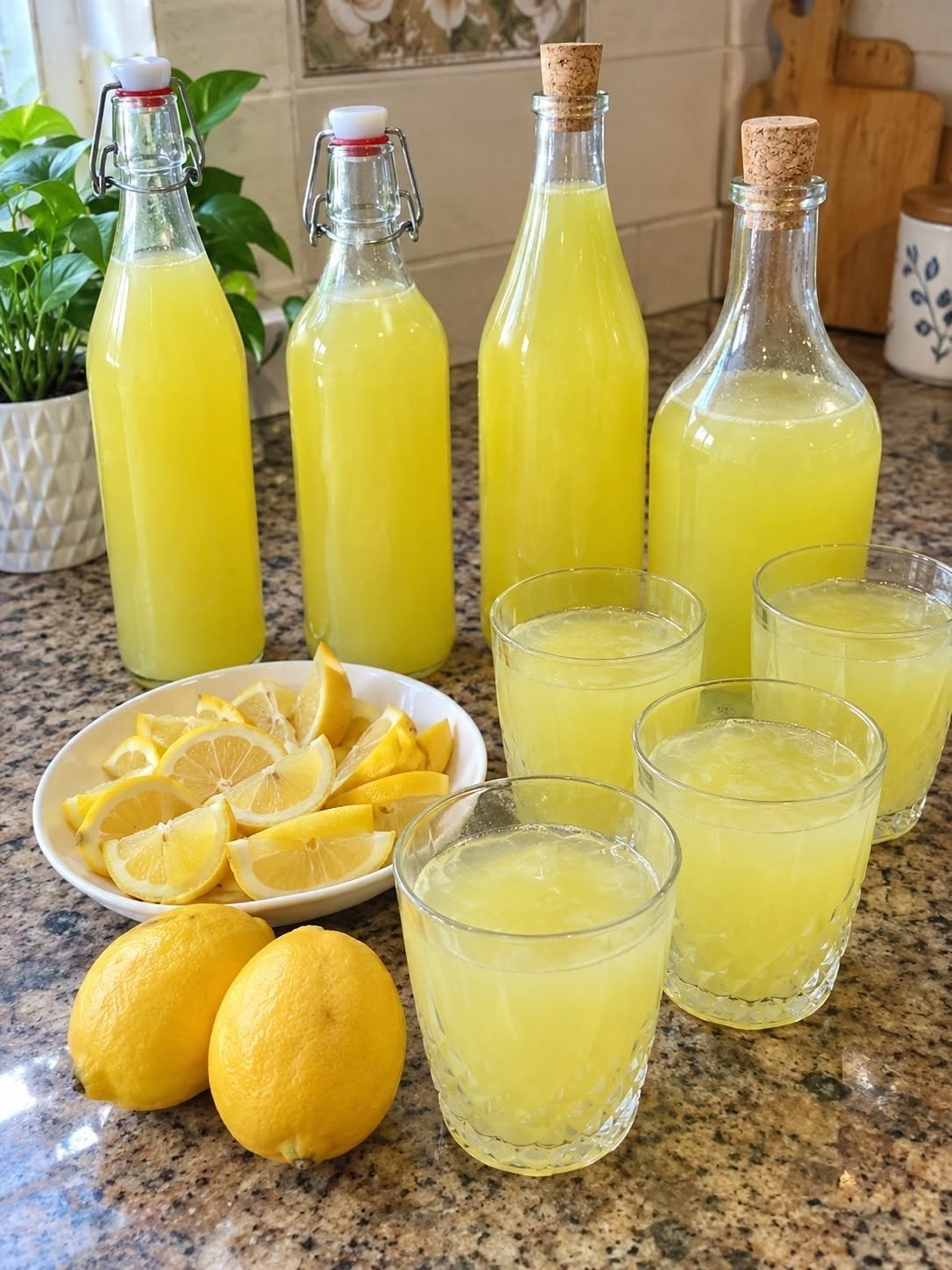
There is something about a cold glass of homemade lemonade that instantly makes the day feel a little brighter. Whether it is a hot summer afternoon, a family gathering, or simply one of those days when you want something refreshing, fresh lemonade is always a good idea.
I usually make lemonade when I have a bowl of lemons sitting on the kitchen counter and want to turn them into something everyone can enjoy. Honestly, once you taste lemonade made with freshly squeezed lemons, it is hard to go back to the bottled kind. The flavor is brighter, the aroma is fresher, and you can adjust the sweetness exactly how you like it.
This easy homemade lemonade recipe uses just three basic ingredients: fresh lemon juice, sugar, and water. There is no complicated equipment or special technique required. With a few minutes of preparation, you can make a pitcher of delicious lemonade that tastes sweet, tangy, and wonderfully refreshing.
I also love making a larger batch and keeping it chilled in the refrigerator. It is perfect for serving with lunch, enjoying on the porch, or pouring into glasses over ice when guests stop by.
If you are looking for the best fresh lemonade recipe with simple ingredients and a perfectly balanced flavor, this is one to keep on hand.
Why You’ll Love This Homemade Lemonade
- Made with fresh lemons: Real lemon juice gives this drink its bright, natural citrus flavor.
- Only three main ingredients: You probably already have everything you need.
- Easy to customize: Make it sweeter, more tart, or lighter depending on your taste.
- Perfect for warm weather: Serve it ice-cold on hot afternoons, at picnics, or during backyard gatherings.
- Great for making ahead: Prepare a pitcher and keep it chilled until you are ready to serve.
- No special equipment needed: A citrus juicer is helpful, but your hands and a fine strainer work just fine.
Ingredients for Homemade Lemonade
This recipe makes approximately 6 servings.
What You’ll Need
- 1 cup fresh lemon juice (about 5–8 medium lemons, depending on their size and juiciness)
- 3/4 cup granulated sugar (adjust to taste)
- 5 cups cold water
- Ice cubes, for serving
- Lemon slices, for garnish, optional
That’s all you need for a classic homemade lemonade!
I usually start with 3/4 cup of sugar because I like lemonade that is sweet enough to balance the tartness without tasting like syrup. If you prefer a sweeter drink, you can add a little more sugar. For a sharper, more tangy flavor, simply reduce it.
Optional Flavor Additions
Once you have the basic recipe down, it is easy to experiment.
- Fresh mint leaves for a cooling herbal flavor
- A few slices of fresh ginger for a gentle spicy note
- Fresh strawberries for a fruity twist
- Sparkling water instead of some of the still water for a fizzy version
- A little honey in place of some of the sugar
The classic lemon, sugar, and water combination is delicious on its own, but these additions are fun when you want something different.
How to Make Homemade Lemonade
Making fresh lemonade is simple. The main trick is dissolving the sugar properly and balancing the lemon juice with enough water.
Step 1: Wash and Prepare the Lemons
Wash the lemons under running water and dry them with a clean towel.
Before cutting them, roll each lemon firmly against the countertop with the palm of your hand. Apply gentle pressure as you roll.
I usually do this because it helps loosen the juice inside the fruit, making the lemons easier to squeeze.
Cut the lemons in half crosswise and remove any visible seeds.
Step 2: Squeeze the Fresh Lemon Juice
Use a citrus juicer or squeeze the lemons by hand into a measuring cup.
Once you have about 1 cup of juice, pour it through a fine-mesh strainer to remove seeds and excess pulp.
If you enjoy lemonade with a little pulp, you can skip straining or leave some of the pulp in.
Freshly squeezed juice makes a noticeable difference here. Bottled lemon juice can work in a pinch, but I find that fresh lemons give the drink a cleaner, brighter flavor.
Step 3: Make a Simple Sugar Syrup
Add the sugar and 1 cup of water to a small saucepan.
Warm the mixture over medium-low heat, stirring until the sugar dissolves completely. There is no need to bring it to a boil.
Remove the saucepan from the heat and allow the syrup to cool.
This step is worth the extra minute or two because granulated sugar can take a while to dissolve in cold water. Making a simple syrup helps keep your lemonade smooth instead of leaving sugary crystals at the bottom of the pitcher.
Shortcut: You can also stir the sugar into a little warm water in a heatproof container until it dissolves, without using a saucepan.
Step 4: Combine the Lemon Juice, Syrup, and Water
Pour the fresh lemon juice into a large pitcher.
Add the cooled sugar syrup and the remaining 4 cups of cold water. Stir well until everything is combined.
Give the lemonade a taste before adding ice.
If it is too tart, stir in a little more sugar syrup. If it is too sweet, add a splash of lemon juice. If the flavor feels too concentrated, add more cold water.
I always recommend adjusting the flavor before adding lots of ice because melting ice will dilute the lemonade.
Step 5: Chill the Lemonade
Place the pitcher in the refrigerator for at least 30 minutes before serving.
This gives the lemonade time to become thoroughly chilled and allows the flavors to blend.
If you are in a hurry, you can serve it immediately over plenty of ice. Just remember that the ice will gradually melt and soften the flavor.
Step 6: Serve with Ice and Lemon Slices
Fill glasses with ice cubes and pour the fresh lemonade over them.
Garnish with lemon slices or a sprig of fresh mint if desired.
For a pretty presentation, I like adding a few thin lemon rounds to the pitcher, too. It looks lovely on the table and makes a simple homemade drink feel a little more special.
Enjoy your lemonade while it is cold and refreshing!
Tips for the Best Homemade Lemonade
Choose Fresh, Juicy Lemons
Look for lemons that feel heavy for their size and have relatively smooth, slightly glossy skin. These often contain plenty of juice.
If the lemons are firm, rolling them on the counter before cutting can help release more juice.
Balance the Sweetness and Tartness
The perfect lemonade is a matter of personal taste. Some people prefer a sharp, tangy drink, while others like it sweeter.
Start with the suggested amount of sugar, then adjust gradually. It is much easier to add more sweetness than to correct a pitcher that has become overly sweet.
Always Dissolve the Sugar
One of the most common problems with homemade lemonade is sugar settling at the bottom.
A simple syrup solves this problem and makes it easier to adjust the sweetness evenly throughout the pitcher.
Chill Before Serving
Cold lemonade tastes especially refreshing, and chilling it before serving helps you avoid watering it down with too much ice.
If you are preparing it for guests, make it ahead and refrigerate it until needed.
Use Ice Cubes Made from Lemonade
Here is a little trick I like for summer gatherings: freeze some lemonade in an ice cube tray.
Add the lemonade cubes to your glasses instead of regular ice. As they melt, they preserve the citrus flavor rather than diluting the drink.
Don’t Add Too Much Lemon Peel
Lemon slices make a lovely garnish, but leaving thick pieces of lemon peel in the pitcher for a long time can sometimes introduce a bitter taste.
For the cleanest flavor, add thin slices shortly before serving and remove them if the lemonade will sit for several hours.
Delicious Variations to Try
Once you know how to make classic lemonade, there are plenty of easy ways to change it up.
1. Strawberry Lemonade
Blend 1 cup of fresh or thawed strawberries until smooth. Strain if you prefer a smoother drink, then stir the strawberry puree into the finished lemonade.
The berries add natural sweetness and a beautiful pink color.
2. Mint Lemonade
Gently muddle a small handful of fresh mint leaves in the pitcher before adding the lemonade.
Let the mint infuse briefly, then taste and remove the leaves if the flavor is strong enough.
This version is especially refreshing on hot afternoons.
3. Sparkling Lemonade
Replace 2–3 cups of the still water with chilled sparkling water.
Mix the lemon juice, sugar syrup, and still water first, then add the sparkling water just before serving to preserve the bubbles.
4. Honey Lemonade
Replace some or all of the sugar with honey. Stir the honey into a little warm water first so that it blends evenly.
Honey has a stronger flavor than plain sugar, so start with a smaller amount and adjust to taste.
5. Pink Lemonade
For a naturally pink color, stir a small amount of strawberry puree or raspberry juice into the finished lemonade.
It adds a fruity flavor while keeping the drink fresh and bright.
What to Serve with Homemade Lemonade
Fresh lemonade pairs well with all kinds of meals and snacks. Its sweet-tart flavor is particularly nice alongside savory dishes.
Here are some serving ideas:
- Grilled chicken: The citrus flavor complements smoky, grilled foods.
- Burgers and sandwiches: Serve a chilled glass with an easy lunch or casual dinner.
- Picnic snacks: Lemonade is perfect with wraps, pasta salad, fresh fruit, and crackers.
- Barbecue favorites: Pair it with grilled vegetables, corn on the cob, or barbecue chicken.
- Cookies and cakes: The tangy drink balances sweet treats beautifully.
- Fresh fruit platters: Serve it with watermelon, strawberries, grapes, or pineapple.
For a summer gathering, I like placing a large pitcher of lemonade on the table with plenty of ice and lemon slices. Everyone can help themselves, and there is no need to prepare individual drinks.
How to Store Homemade Lemonade
Refrigerator Storage
Store leftover lemonade in a covered pitcher or airtight bottle in the refrigerator.
For the best flavor, enjoy it within 3–5 days. Keep it chilled between servings, and use clean utensils when handling the drink.
If you added fresh fruit or herbs, the flavor and texture may change sooner, so check it before serving.
Can You Freeze Homemade Lemonade?
Yes! You can freeze lemonade in freezer-safe containers, leaving some space at the top for expansion.
You can also freeze it in ice cube trays for adding to future drinks. Thaw frozen lemonade in the refrigerator and stir well before serving, as the ingredients may separate slightly.
Can You Make It Ahead?
Absolutely. I often recommend making lemonade a few hours before serving so it has plenty of time to chill.
For parties, you can prepare the lemon juice and simple syrup ahead of time, then mix them with cold water when you are ready to serve.
If you want sparkling lemonade, wait until serving time to add the sparkling water.
Nutrition Information
The following nutrition estimates are for one serving, assuming the recipe makes 6 servings and uses 3/4 cup of granulated sugar.
| Nutrient | Approximate amount per serving |
|---|---|
| Calories | 105 kcal |
| Carbohydrates | 28 g |
| Sugar | 26 g |
| Protein | 0 g |
| Fat | 0 g |
| Fiber | Less than 1 g |
| Sodium | 5 mg |
These figures are estimates and may vary depending on the size and juiciness of the lemons and the amount of sugar you use.
To reduce the sugar content, use less sugar or sweeten the lemonade to taste with an alternative that suits your dietary needs.
Frequently Asked Questions
1. How many lemons do I need for one pitcher of lemonade?
For this recipe, you need approximately 5–8 medium lemons to produce 1 cup of fresh lemon juice. The exact number depends on the size, variety, and juiciness of the lemons.
I usually buy a couple of extra lemons just in case some are less juicy than expected.
2. Can I make lemonade without heating the sugar?
Yes. You can dissolve the sugar in a small amount of room-temperature or slightly warm water by stirring thoroughly.
However, granulated sugar dissolves more easily in warm water, which is why making a simple syrup is my preferred method.
3. Why does my homemade lemonade taste bitter?
Bitterness can come from squeezing the lemons too aggressively and releasing compounds from the peel or pith, or from leaving thick lemon slices in the pitcher for too long.
Use fresh juice, strain out seeds, and avoid crushing the peel. If the lemonade tastes too strong, dilute it with a little cold water and adjust the sweetness.
4. Can I use bottled lemon juice instead of fresh lemons?
Yes, bottled lemon juice can be used if fresh lemons are unavailable. Start with the same measured amount, then taste and adjust because bottled juice may have a different flavor.
For the freshest aroma and brightest taste, I prefer freshly squeezed lemons whenever possible.
5. How do I make lemonade less sour?
Add more sugar syrup a little at a time, stirring and tasting after each addition.
You can also add more cold water to soften the tartness. If you increase the water significantly, you may want to add a little more syrup to maintain a balanced flavor.