
Classic Beef Stew Recipe

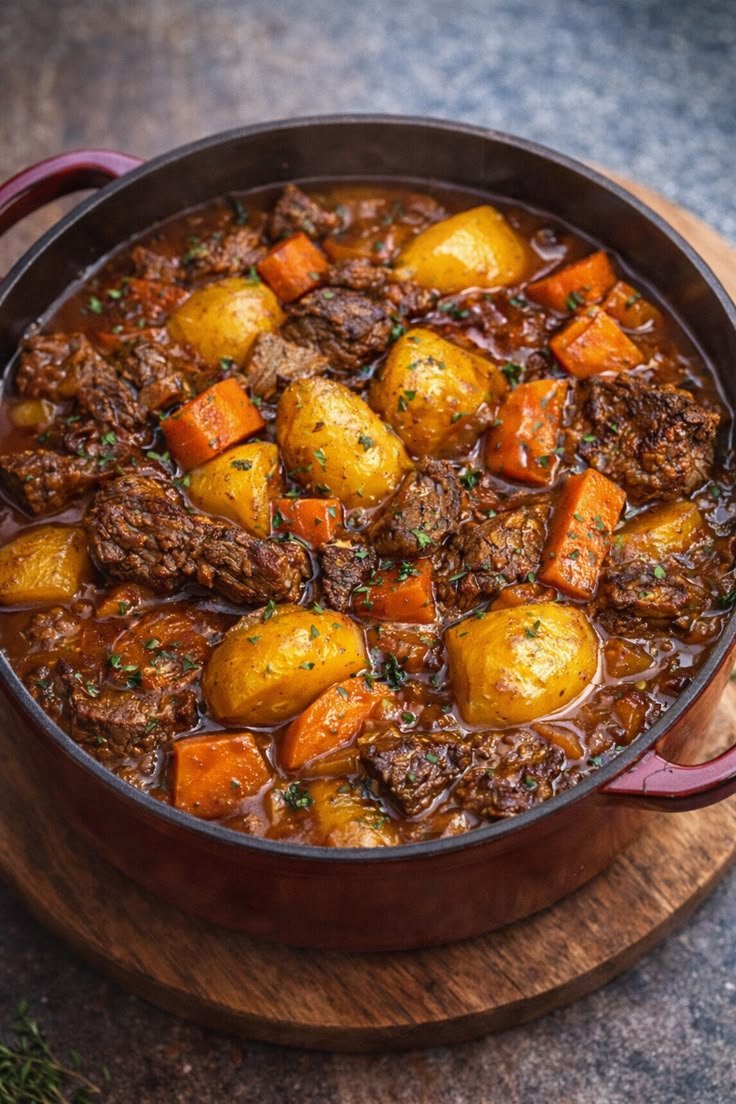
There’s something about a pot of homemade beef stew simmering on the stove that makes the whole kitchen feel warm and inviting. Honestly, it’s one of those meals I love making when I want something hearty, comforting, and satisfying without needing a complicated recipe.
I usually make beef stew on a chilly evening or whenever we’re craving a proper home-cooked dinner. The smell of onions and garlic cooking with seasoned beef, followed by the rich aroma of tomatoes, herbs, and beef broth, is enough to make everyone ask when dinner will be ready!
This classic beef stew recipe combines tender chunks of beef, golden potatoes, sweet carrots, and a thick, savory gravy. Everything slowly cooks together in one pot, allowing the flavors to develop while the beef becomes wonderfully soft.
The best part? You don’t need any fancy ingredients. A good cut of beef, a few everyday vegetables, broth, and some simple seasonings are all you need to create a delicious meal that tastes like it has been cooking all day.
Serve it with crusty bread, dinner rolls, or even rice to soak up every last bit of that delicious gravy. Whether you’re cooking for your family or preparing a cozy weekend dinner, this homemade beef stew is a recipe worth keeping.
Why You’ll Love This Beef Stew Recipe
- Tender, flavorful beef: Slowly simmering the beef makes it deliciously soft and easy to cut with a fork.
- Rich homemade gravy: Tomato paste, beef broth, herbs, and browned meat create a deep, savory flavor.
- A complete one-pot meal: Beef, potatoes, and carrots cook together, making dinner simple and convenient.
- Perfect for meal prep: The flavors develop beautifully overnight, so leftovers are just as satisfying.
- Easy everyday ingredients: You can find everything you need at a regular grocery store.
- Customizable: Add mushrooms, peas, celery, or your favorite herbs to make the recipe your own.
Recipe Details
- Prep time: 20 minutes
- Cook time: 2–2½ hours
- Total time: Approximately 2 hours 45 minutes
- Servings: 6
- Course: Main course
- Cuisine: American-inspired comfort food
- Cooking method: Stovetop or Dutch oven
- Difficulty: Easy to moderate
Ingredients for Homemade Beef Stew
Here’s everything you’ll need to make a flavorful pot of beef stew.
Main Ingredients
- 2 pounds (900 g) beef chuck, cut into 1½-inch cubes
- 2 tablespoons olive oil
- 1 large onion, diced
- 3 cloves garlic, minced
- 4 medium carrots, peeled and cut into thick chunks
- 1½ pounds (680 g) Yukon Gold or other waxy potatoes, cut into large chunks
- 2 tablespoons tomato paste
- 4 cups (950 ml) beef broth
- 1 tablespoon Worcestershire sauce
- 2 tablespoons all-purpose flour
- 1 teaspoon dried thyme
- 1 teaspoon dried rosemary
- 2 bay leaves
- 1 teaspoon paprika
- ½ teaspoon freshly ground black pepper
- Salt, to taste
- 2 tablespoons chopped fresh parsley, for garnish
Optional Ingredients
- 2 celery stalks, chopped
- 1 cup frozen peas
- ½ cup dry red wine, replacing an equal amount of broth
- 8 ounces mushrooms, quartered
- 1 tablespoon butter for extra richness
My ingredient tip: I usually choose beef chuck for stew because it has enough connective tissue and marbling to become tender during slow cooking. Leaner cuts can work, but they may not develop the same rich, succulent texture.
How to Make Classic Beef Stew Step by Step
Follow these easy steps for a thick, flavorful beef stew with tender meat and perfectly cooked vegetables.
Step 1: Prepare and season the beef
Pat the beef cubes dry with paper towels. This helps them brown properly instead of steaming in the pan.
Season the beef generously with salt, black pepper, and paprika.
If the beef is particularly wet, take an extra moment to dry it thoroughly. I find that this small step makes a noticeable difference in the final flavor.
Step 2: Brown the beef
Heat the olive oil in a large Dutch oven or heavy-bottomed pot over medium-high heat.
Add the beef in batches, leaving space between the pieces. Brown each batch for about 2–3 minutes per side, until the meat develops a deep golden-brown crust.
Transfer the browned beef to a plate and repeat with the remaining pieces, adding a little more oil if needed.
Don’t overcrowd the pot. I know it’s tempting to cook everything at once, but browning in batches gives the meat much better color and helps create the flavorful browned bits that make the gravy taste amazing.
Step 3: Cook the onions and garlic
Reduce the heat to medium.
Add the diced onion to the same pot and cook for about 4–5 minutes, stirring occasionally, until softened.
Add the minced garlic and cook for another 30 seconds.
If you’re using celery or mushrooms, you can add them at this stage and cook until they begin to soften.
Step 4: Add the tomato paste and flour
Stir in the tomato paste and cook for about 1–2 minutes. This helps deepen its flavor and gives the stew a richer color.
Sprinkle the flour over the onion mixture and stir until everything is coated. Cook for another minute to remove the raw flour taste.
The flour will help thicken the broth into a delicious gravy as the stew simmers.
Step 5: Deglaze the pot
Slowly pour in a little beef broth while scraping the bottom of the pot with a wooden spoon.
This loosens the browned bits left behind by the beef and incorporates their flavor into the gravy.
If you’re using red wine, add it before the broth and allow it to simmer for 2–3 minutes.
Pour in the remaining broth and add the Worcestershire sauce, thyme, rosemary, and bay leaves.
Stir everything together.
Step 6: Return the beef to the pot
Add the browned beef and any accumulated juices back into the pot.
Bring the liquid to a gentle simmer, then reduce the heat to low.
Cover the pot partially with a lid and cook for approximately 1½ hours, stirring occasionally.
The liquid should bubble gently rather than boil vigorously. Slow, gentle cooking helps the beef become tender without drying out.
Step 7: Add the carrots and potatoes
After the beef has simmered for about 1½ hours, stir in the carrots and potatoes.
If needed, add a little extra broth or water so the vegetables are mostly surrounded by liquid.
Cover the pot partially again and continue simmering for another 30–45 minutes.
Check the beef and vegetables near the end of cooking. The beef should be fork-tender, and the potatoes and carrots should be soft without falling apart.
Cooking time can vary depending on the size of your beef cubes and the cut of meat, so let tenderness guide you rather than relying only on the clock.
Step 8: Adjust the gravy
Remove the bay leaves.
If the gravy is too thin, simmer the stew uncovered for 5–10 minutes, stirring gently.
For a thicker gravy, mix 1 tablespoon of cornstarch with 1 tablespoon of cold water to make a smooth slurry. Stir it into the simmering stew gradually and cook for a few minutes until thickened.
If the gravy is too thick, add a splash of warm beef broth.
Taste and adjust the salt and pepper.
If you’re adding frozen peas, stir them in during the last 5 minutes of cooking.
Step 9: Garnish and serve
Turn off the heat and let the stew rest for about 5 minutes.
Sprinkle freshly chopped parsley over the top and serve while hot.
I love bringing the entire Dutch oven to the table and letting everyone help themselves. It feels relaxed, comforting, and perfect for a family meal.
Tips for the Best Homemade Beef Stew
1. Choose beef chuck for the best texture
Beef chuck is an excellent choice because its connective tissue gradually breaks down during slow cooking. This creates tender meat and adds body to the gravy.
2. Don’t skip browning the meat
Browning adds a rich, roasted flavor that you won’t get by simply boiling the beef. Take your time with this step, and avoid overcrowding the pot.
3. Keep the heat low
A gentle simmer is ideal. Boiling too vigorously can make the beef cook unevenly and cause the vegetables to break apart.
4. Cut vegetables into large pieces
Large chunks of carrots and potatoes hold their shape better during long cooking. Try to cut them into similarly sized pieces so they cook evenly.
5. Add potatoes at the right time
Potatoes cook more quickly than beef chuck. Adding them after the beef has had time to soften helps prevent them from becoming mushy.
6. Season gradually
Broth and Worcestershire sauce can contain quite a bit of sodium. Season the meat at the beginning, then taste the finished gravy before adding more salt.
7. Let the stew rest before serving
A few minutes of resting gives the flavors time to settle. The gravy may also thicken slightly as it cools.
8. Make it ahead if possible
Honestly, beef stew is one of those dishes that can taste even better the next day. The flavors have more time to mingle, making leftovers particularly delicious.
What to Serve with Beef Stew
This hearty stew can easily stand on its own, but the right side dish makes it even more satisfying.
- Crusty bread: Ideal for dipping into the rich beef gravy.
- Dinner rolls: Soft, warm rolls are perfect for soaking up the sauce.
- Steamed rice: A simple option that works especially well if you make extra gravy.
- Mashed potatoes: Perfect for anyone who loves an extra-comforting meal.
- Buttered egg noodles: A delicious base for spooning the beef and vegetables over.
- Fresh green salad: Adds a refreshing contrast to the rich stew.
- Roasted green beans: A simple vegetable side that adds color and texture.
For a cozy Sunday dinner, I usually serve this beef stew with crusty bread and a simple salad. It’s easy, filling, and doesn’t require making several complicated side dishes.
Variations to Try
Slow Cooker Beef Stew
Brown the beef and sauté the aromatics first for the best flavor. Transfer them to a slow cooker with the broth, seasonings, and tomato paste.
Cook on LOW for approximately 7–8 hours or HIGH for 4–5 hours, adding the potatoes and carrots according to your slow cooker’s timing so they don’t become too soft.
For a thicker gravy, stir in a cornstarch slurry near the end and cook until thickened.
Beef Stew Without Wine
You can absolutely make delicious beef stew without wine. Simply use extra beef broth. Worcestershire sauce, tomato paste, and herbs provide plenty of flavor.
Spicy Beef Stew
Add ½ teaspoon chili flakes or a pinch of cayenne pepper with the paprika. Adjust the amount to suit your taste.
Beef and Mushroom Stew
Add sliced mushrooms when cooking the onions. They bring an earthy flavor that pairs beautifully with the beef and gravy.
Extra Vegetable Beef Stew
Add celery, green beans, peas, or parsnips. For vegetables that cook quickly, such as peas, wait until the final few minutes.
Gluten-Free Beef Stew
Replace the all-purpose flour with a suitable gluten-free flour blend, or omit it and thicken the finished gravy with a cornstarch slurry. Check that your broth and Worcestershire sauce are also gluten-free.
How to Store, Freeze, and Reheat Beef Stew
One of the best things about this recipe is that it makes excellent leftovers.
Refrigerating
Allow the stew to cool promptly and transfer it to airtight containers. Refrigerate within two hours of cooking and use within 3–4 days.
Freezing
For longer storage, freeze the cooled stew in freezer-safe containers, leaving a little room for expansion. For best quality, use within approximately 3 months.
Potatoes may become a little softer after freezing, but the flavor will still be wonderful.
Thaw the stew in the refrigerator overnight when possible.
Reheating
Reheat on the stovetop over medium-low heat, stirring occasionally until the stew is steaming hot throughout. Add a splash of broth or water if the gravy has thickened too much.
Individual portions can also be reheated in the microwave in a microwave-safe container. Stir halfway through and make sure the stew heats evenly.
Approximate Nutrition Information
The estimates below are based on six servings using beef chuck, potatoes, carrots, olive oil, flour, and beef broth. Actual nutrition will vary according to the beef’s fat content, ingredient brands, portion sizes, and optional additions.
| Nutrient | Approximate amount per serving |
|---|---|
| Calories | 450–520 kcal |
| Protein | 32–38 g |
| Carbohydrates | 35–42 g |
| Dietary fiber | 4–6 g |
| Fat | 17–23 g |
| Saturated fat | 5–8 g |
| Sugar | 5–8 g |
| Sodium | 500–850 mg |
For a lighter version, trim excess visible fat from the beef, use reduced-sodium broth, and increase the amount of vegetables.
These figures are estimates rather than a laboratory nutritional analysis.
Frequently Asked Questions
1. What is the best cut of beef for beef stew?
Beef chuck is one of the best choices for homemade beef stew. It contains connective tissue and marbling that soften during slow cooking, producing tender meat and flavorful gravy. Beef shoulder and other suitable braising cuts can also work well.
2. Why is my beef stew meat tough?
Beef stew meat is often tough because it hasn’t cooked long enough. Cuts like beef chuck need time for their connective tissue to break down. Keep the stew at a gentle simmer and continue cooking until the meat is fork-tender. If the liquid evaporates too quickly, add a little more broth.
3. How do I make beef stew gravy thicker?
You can simmer the stew uncovered to reduce the liquid, mash a few cooked potatoes into the gravy, or add a cornstarch slurry. To make a slurry, mix equal parts cornstarch and cold water, then stir it into the simmering stew gradually until the desired consistency is reached.
4. Can I make beef stew the day before serving?
Yes! Beef stew is an excellent make-ahead meal. Prepare it, cool it promptly, and refrigerate it in airtight containers. Reheat it thoroughly before serving, adding extra broth if necessary. The flavors often become even more developed overnight.
5. Can I freeze homemade beef stew?
Yes. Beef stew freezes well for approximately 3 months for best quality. Store it in freezer-safe containers and thaw it in the refrigerator before reheating. The potatoes may soften slightly after freezing, so stir gently when warming the stew.