
Slow Cooker Beef Stew Recipe

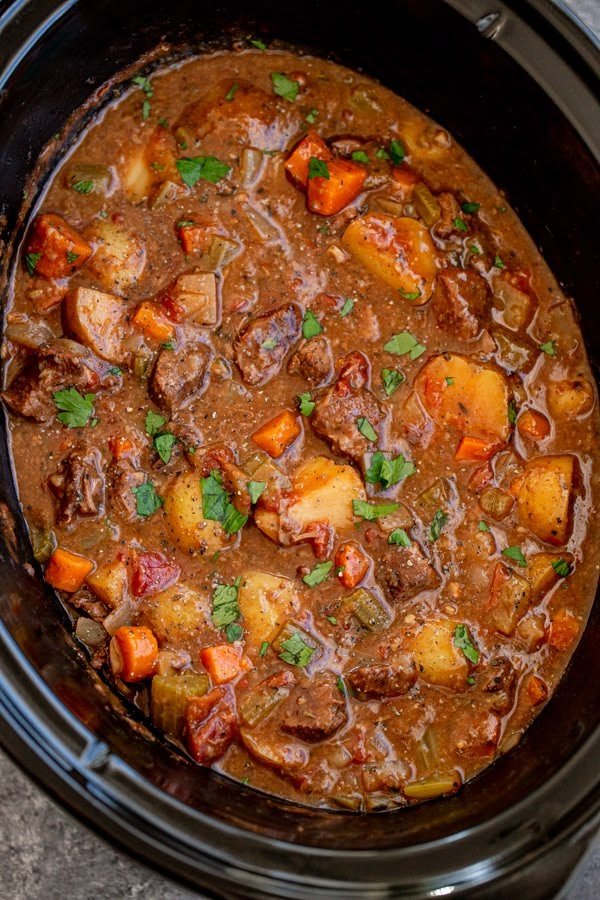
There is something incredibly comforting about coming home to a pot of beef stew that has been simmering away all day. The smell of tender beef, soft potatoes, sweet carrots, and rich, savory gravy filling the kitchen is honestly one of my favorite things about home cooking.
This slow cooker beef stew recipe is the kind of meal I turn to when I want something hearty, satisfying, and easy to prepare without spending hours standing over the stove. I usually do a little chopping in the morning, add everything to the slow cooker, and let it work its magic while I get on with my day.
What makes this stew so good is the combination of slow-cooked beef, chunky vegetables, herbs, and a thick, flavorful broth. The beef becomes wonderfully tender, the potatoes soak up all that delicious gravy, and the carrots add just the right amount of natural sweetness.
Whether you are planning a cozy family dinner, meal prepping for the week, or simply craving a bowl of homemade comfort food, this easy crockpot beef stew deserves a spot in your recipe collection.
Why You’ll Love This Slow Cooker Beef Stew
- Easy to prepare: A little chopping and a few minutes of prep are all you need.
- Tender, flavorful beef: Slow cooking gives tougher cuts of beef plenty of time to become soft and juicy.
- A complete one-pot meal: Beef, potatoes, carrots, and celery make this a satisfying dinner on their own.
- Rich homemade gravy: Tomato paste, beef broth, garlic, and herbs create deep, savory flavor.
- Perfect for meal prep: The leftovers taste just as delicious, if not better, the next day.
- Flexible ingredients: You can easily adjust the vegetables and seasonings to suit your family’s preferences.
Ingredients for Slow Cooker Beef Stew
These ingredients make a classic, hearty beef stew with a thick, savory broth and plenty of vegetables.
Main Ingredients
- 2 pounds (900 g) beef chuck: Cut into 1- to 1½-inch cubes. Chuck roast is my usual choice because it becomes tender and flavorful during slow cooking.
- 1½ pounds (680 g) potatoes: Yukon Gold or red potatoes work well. Cut them into chunky pieces so they hold their shape.
- 3 medium carrots: Peeled and sliced into thick rounds.
- 2 celery stalks: Chopped into bite-sized pieces.
- 1 medium yellow onion: Diced for a savory, aromatic base.
- 3 garlic cloves: Minced.
- 2 tablespoons tomato paste: Adds richness, color, and a deeper savory flavor.
- 4 cups (950 ml) beef broth: Use low-sodium broth if you want more control over the saltiness.
- 2 tablespoons Worcestershire sauce: Adds a lovely savory, slightly tangy flavor.
- 2 tablespoons all-purpose flour: Helps thicken the stew. You can leave it out and use a cornstarch slurry at the end instead.
- 2 tablespoons olive oil: For browning the beef.
Herbs and Seasonings
- 1 teaspoon dried thyme
- 1 teaspoon dried rosemary
- 2 bay leaves
- 1 teaspoon paprika
- 1 teaspoon salt, or to taste
- ½ teaspoon freshly ground black pepper
Optional Garnish
- Fresh chopped parsley
- Extra freshly ground black pepper
I usually finish the stew with a little fresh parsley. It is a simple touch, but the fresh green color looks lovely against the rich brown gravy.
How to Make Slow Cooker Beef Stew
Follow these easy steps for tender beef, perfectly cooked vegetables, and a flavorful homemade gravy.
Step 1: Prepare the Beef and Vegetables
Cut the beef chuck into evenly sized cubes, trimming away any unusually large pieces of excess fat. Pat the beef dry with paper towels.
Peel and chop the carrots, dice the onion, slice the celery, and cut the potatoes into chunky pieces.
I recommend keeping the potato pieces fairly large. Smaller pieces can become too soft during a long cooking time, especially if you are cooking the stew all day.
Step 2: Brown the Beef
Heat the olive oil in a large skillet over medium-high heat.
Working in batches, add the beef cubes and brown them on several sides. Avoid overcrowding the pan, because the meat will steam rather than develop a nice crust if the skillet is too full.
Transfer the browned beef to your slow cooker.
Honestly, this is the step I try not to skip when I have a few extra minutes. Browning the beef creates a deeper, richer flavor that makes the finished stew taste more like something that has been cooking on the stove all afternoon.
Step 3: Build the Flavor Base
In the same skillet, add the diced onion and cook for about 3 minutes, stirring occasionally. Add the garlic and tomato paste, then cook for another minute.
Sprinkle in the flour and stir until the onions are lightly coated. Slowly pour in a little beef broth, scraping up the browned bits from the bottom of the pan.
These browned bits contain plenty of flavor, so you do not want to leave them behind.
Transfer the mixture to the slow cooker.
Step 4: Add the Vegetables and Seasonings
Add the potatoes, carrots, and celery to the slow cooker with the beef.
Pour in the remaining beef broth and Worcestershire sauce. Add the thyme, rosemary, paprika, salt, black pepper, and bay leaves.
Give everything a gentle stir so the ingredients are evenly distributed.
The liquid does not necessarily need to cover every ingredient completely. The vegetables and beef will release some moisture as they cook, and the covered slow cooker helps retain it.
Step 5: Slow Cook Until Tender
Cover the slow cooker with its lid and cook using one of these settings:
- Low: 7–8 hours
- High: 4–5 hours
Cooking on low is my preferred method because it gives the beef plenty of time to become tender without rushing the process.
The stew is ready when the beef is fork-tender and the potatoes and carrots are cooked through. Depending on your slow cooker and the size of the beef cubes, you may need a little more or less time.
Try to avoid lifting the lid too often, as this releases heat and can extend the cooking time.
Step 6: Adjust the Gravy
Once the beef is tender, remove the bay leaves and taste the gravy. Add extra salt or black pepper if needed.
If the stew is thinner than you would like, mix 1 tablespoon of cornstarch with 1 tablespoon of cold water in a small bowl. Stir the slurry into the hot stew, cover, and cook on high for another 10–15 minutes, or until thickened.
For a richer finish, you can also mash a few cooked potato pieces against the side of the slow cooker and stir them into the gravy.
I like my beef stew thick enough to coat a spoon, but still loose enough to soak into a piece of crusty bread.
Step 7: Garnish and Serve
Ladle the hot beef stew into bowls and sprinkle with freshly chopped parsley.
Serve it immediately while the beef is tender, the potatoes are soft, and the gravy is warm and rich.
A slice of crusty bread alongside the bowl is always a good idea!
Tips for the Best Slow Cooker Beef Stew
Choose the Right Cut of Beef
Beef chuck is one of the best choices for slow cooker stew. It contains connective tissue that gradually softens during cooking, giving you tender meat and a flavorful broth.
Stew meat also works, although the texture can vary depending on the cut.
Brown the Meat for Better Flavor
You can add the beef directly to the slow cooker if you are short on time, but browning it first develops a deeper savory flavor.
Make sure the pan is hot and brown the beef in batches for the best results.
Cut Vegetables into Similar Sizes
Try to cut the potatoes, carrots, and celery into reasonably uniform pieces. This helps them cook more evenly.
Keep the potatoes on the larger side if you plan to cook the stew for a full eight hours.
Avoid Adding Too Much Liquid
Unlike stovetop cooking, a slow cooker traps most of the moisture inside. You generally need less liquid than you would in a traditional stew recipe.
Follow the measurements in this recipe rather than adding extra broth just to cover everything.
Add Delicate Ingredients Near the End
Fresh parsley is best added just before serving. If you want to include frozen peas or other delicate vegetables, stir them in during the final 20–30 minutes of cooking.
This helps them retain their color and texture.
Let the Stew Rest Before Serving
If you have time, let the finished stew sit for about 5–10 minutes before serving. This gives the gravy a little time to settle and makes it easier to portion.
Variations You Can Try
One thing I love about homemade beef stew is how easy it is to customize.
- Add mushrooms: Sliced mushrooms bring extra earthy flavor. Add them with the other vegetables.
- Use sweet potatoes: Replace some of the regular potatoes with sweet potatoes for a slightly sweeter stew.
- Make it gluten-free: Skip the flour and use a cornstarch slurry to thicken the gravy. Check that your broth and Worcestershire sauce are gluten-free.
- Add red wine: Replace up to ½ cup of the broth with dry red wine for a deeper, more complex flavor. Simmer it briefly in the skillet before adding it to the slow cooker.
- Make it dairy-free: This recipe is naturally dairy-free when prepared with dairy-free ingredients.
- Add peas: Stir in frozen peas near the end of cooking for extra color and sweetness.
What to Serve with Beef Stew
This slow cooker beef stew is filling enough to serve by itself, but the right side dish can make dinner feel even more special.
Crusty Bread
A warm baguette, sourdough loaf, or homemade dinner roll is perfect for soaking up every bit of gravy.
Mashed Potatoes
If you are cooking for people who love extra comfort food, creamy mashed potatoes make a wonderful base for the stew. You can reduce the amount of potatoes in the stew itself if you plan to serve it this way.
Steamed Green Beans
Green beans add freshness and a little crunch to balance the rich gravy.
Simple Green Salad
A salad with crisp lettuce, cucumber, tomatoes, and a light vinaigrette provides a refreshing contrast to the hearty stew.
Rice
Steamed white or brown rice is another easy option, especially if you prefer a meal that stretches to feed a larger family.
How to Store and Reheat Beef Stew
Refrigerating
Allow the stew to cool slightly, then transfer it to shallow, airtight containers. Refrigerate within 2 hours of cooking.
Store in the refrigerator for 3–4 days.
Freezing
Beef stew freezes well, although potatoes can become a little softer after thawing.
For best results, freeze the stew in individual portions in airtight, freezer-safe containers. Leave a little room at the top for expansion.
For quality, use frozen portions within about 2–3 months.
Thaw overnight in the refrigerator before reheating when possible.
Reheating
Reheat the stew on the stovetop over medium-low heat, stirring occasionally until it is steaming hot throughout. Add a splash of beef broth or water if the gravy has thickened too much.
You can also reheat individual portions in the microwave in a microwave-safe container, stirring halfway through.
For food safety, reheat leftovers to 165°F (74°C).
Frequently Asked Questions
1. Can I put raw beef straight into the slow cooker?
Yes. You can add raw beef directly to the slow cooker, provided you follow the recipe’s cooking instructions and allow the meat to cook thoroughly. However, I recommend browning the beef first whenever possible because it adds a richer, more developed flavor.
2. Why is my slow cooker beef stew watery?
Slow cookers retain moisture, and vegetables release liquid as they cook. If your stew is too thin, stir in a cornstarch slurry and cook on high for another 10–15 minutes. You can also mash a few cooked potatoes into the broth to thicken it naturally.
3. Can I cook beef stew on high instead of low?
Absolutely. This recipe generally takes 4–5 hours on high or 7–8 hours on low. The exact timing depends on your slow cooker and the size of your beef cubes. I usually prefer the low setting for the most tender texture.
4. Can I prepare this beef stew the night before?
Yes. You can chop the vegetables and prepare the seasonings the night before, storing them in the refrigerator in separate covered containers. Keep the raw beef refrigerated as well. In the morning, transfer the ingredients to the slow cooker and begin cooking according to the recipe.
For food safety, avoid assembling everything in the ceramic slow cooker insert and leaving it unrefrigerated overnight. Also, follow your appliance manufacturer’s guidance about placing a cold insert into a heated base.
5. What is the best beef for slow cooker stew?
Beef chuck roast is my first choice because it has enough connective tissue and fat to become tender during slow cooking. Boneless chuck is easy to cut into cubes and usually delivers a wonderfully rich result. Other suitable stewing cuts can work, but lean cuts may turn out drier.
Approximate Nutrition Information
The following estimates are for one serving, assuming the recipe makes 6 servings and includes the beef, vegetables, flour, and olive oil.
- Calories: 430
- Protein: 35 g
- Carbohydrates: 32 g
- Fat: 17 g
- Saturated fat: 6 g
- Fiber: 5 g
- Sugar: 5 g
- Sodium: 650–900 mg
Actual nutrition values will vary depending on the cut of beef, the amount of fat trimmed, the broth you use, and how much salt you add. These estimates do not include bread or additional side dishes.