
Slow Cooker Sticky Honey Garlic Beef Ribs

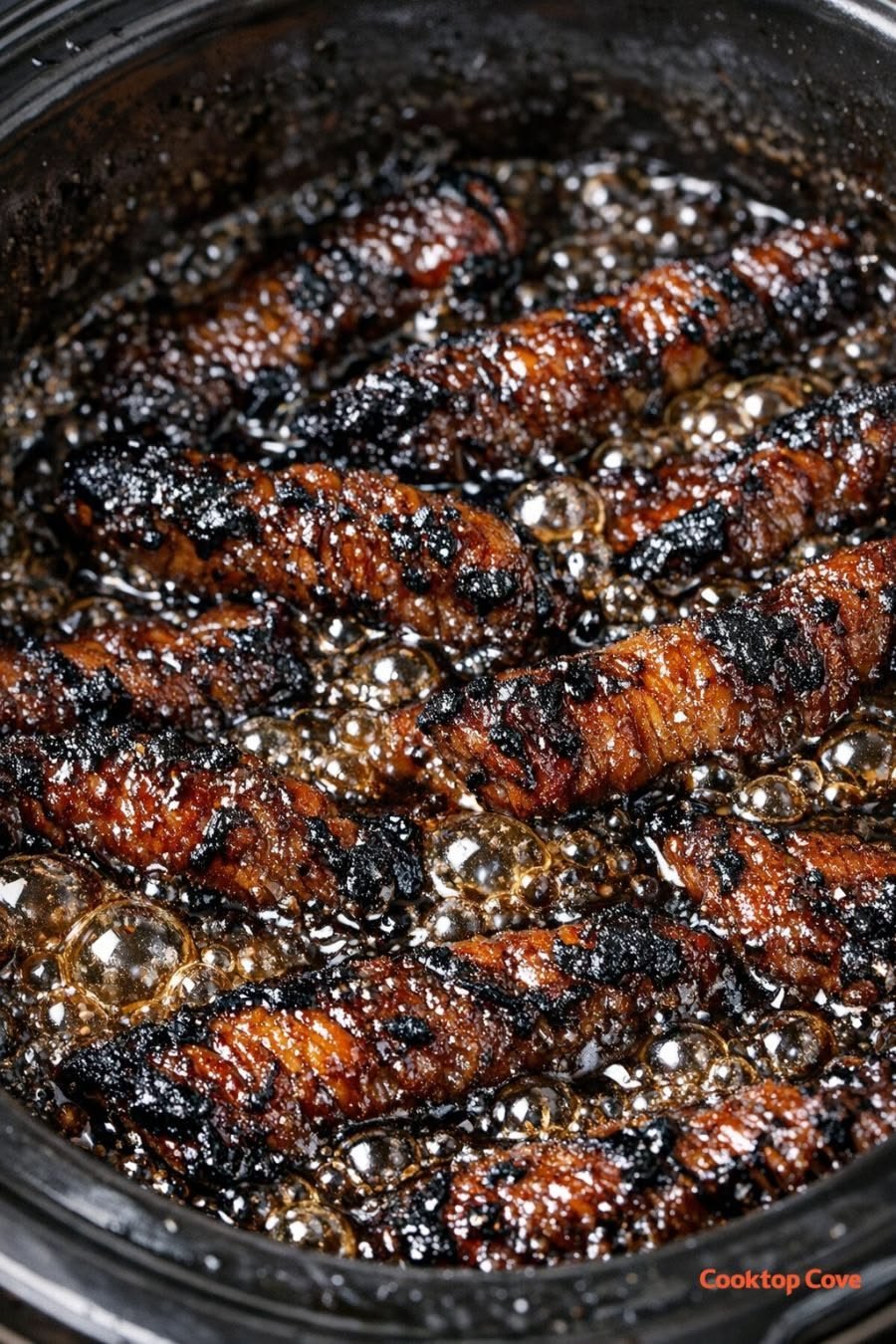
If you’re a fan of tender beef coated in a thick, sticky sauce, these slow cooker sticky honey garlic beef ribs are going to be right up your alley!
The first thing I love about this recipe is the smell. As the beef slowly cooks with garlic, soy sauce, honey, and barbecue seasonings, the kitchen fills with that rich, sweet-and-savory aroma that makes everyone ask when dinner will be ready. And honestly, the glossy sauce is just as tempting as the beef itself.
I usually reach for the slow cooker when I want something that tastes like I’ve spent hours preparing dinner without actually standing over the stove all day. A little preparation in the beginning, a few pantry ingredients, and plenty of slow cooking time are all it takes to turn beef ribs into a deeply flavorful meal.
The secret to getting that dark, sticky finish is combining slow cooking with a final blast of high heat. The slow cooker makes the meat tender, while a quick broil or grill helps caramelize the glaze and create those delicious dark edges you can see in the photo.
Whether you’re planning a weekend family dinner, a backyard gathering, or simply craving comforting barbecue-style food, these sticky beef ribs are a fantastic choice.
Why You’ll Love These Sticky Beef Ribs
- Tender, juicy beef: Slow cooking helps break down the connective tissue in suitable rib cuts.
- Sweet and savory glaze: Honey, garlic, soy sauce, and barbecue sauce create a delicious balance of flavors.
- Easy preparation: Most of the cooking time is hands-off.
- Customizable flavor: Make the sauce sweeter, smokier, tangier, or spicier.
- Perfect for sharing: Serve them with potatoes, rice, vegetables, or your favorite barbecue sides.
Ingredients You’ll Need
This recipe makes approximately six servings, depending on the size of the ribs and how they’re cut.
For the beef ribs
- 3–4 pounds (1.4–1.8 kg) beef back ribs or meaty beef short ribs
- 1 tablespoon olive oil, optional, for searing
- 1 teaspoon smoked paprika
- 1 teaspoon garlic powder
- 1 teaspoon onion powder
- ½ teaspoon black pepper
- ½ teaspoon salt, adjusted to taste
For the sticky honey garlic sauce
- ½ cup honey
- ½ cup barbecue sauce
- ¼ cup low-sodium soy sauce
- ¼ cup beef broth
- 6 cloves garlic, minced
- 2 tablespoons tomato paste
- 1 tablespoon apple cider vinegar
- 1 tablespoon Worcestershire sauce
- 1 teaspoon smoked paprika
- ½ teaspoon chili flakes, optional
- 1 teaspoon freshly grated ginger, optional
For the finishing glaze
- 1 tablespoon honey
- 1–2 tablespoons reserved cooking sauce, if needed
Optional garnish
- Sliced green onions
- Toasted sesame seeds
- Freshly chopped parsley
Ingredient tip: Beef back ribs and short ribs behave differently. Back ribs often have less meat between the bones, while meaty short ribs are thicker and may require longer cooking. Choose ribs with plenty of meat for the most satisfying result.
Step-by-Step Instructions
Step 1: Prepare the beef ribs
Pat the ribs dry with paper towels. If they’re in a large rack, cut them into individual portions that fit comfortably in your slow cooker.
Mix the smoked paprika, garlic powder, onion powder, black pepper, and salt in a small bowl. Rub the seasoning over all sides of the ribs.
I usually take a minute to season the meat evenly rather than simply sprinkling everything on top. It helps build flavor throughout the dish.
If your ribs have a thick, tough membrane on the bone side, ask your butcher to remove it or carefully loosen and remove it before cooking.
Step 2: Sear the ribs for extra flavor
Heat the olive oil in a large skillet over medium-high heat.
Working in batches, sear the ribs for approximately 2–3 minutes per side until nicely browned. You’re not trying to cook them through; you just want to develop a flavorful crust.
Transfer the browned ribs to the slow cooker.
Honestly, I sometimes skip this step when I’m short on time. The recipe still works without searing, but browning adds a deeper, roasted flavor that complements the sticky sauce.
Step 3: Make the honey garlic sauce
In a medium bowl, whisk together the honey, barbecue sauce, soy sauce, beef broth, minced garlic, tomato paste, apple cider vinegar, Worcestershire sauce, smoked paprika, and optional ginger and chili flakes.
Give the sauce a quick taste before adding it to the meat. If your barbecue sauce is already very sweet, you may want to reduce the honey slightly.
The vinegar adds a little tang, the soy sauce brings savory depth, and the garlic gives the glaze its signature flavor.
Step 4: Add the sauce to the slow cooker
Pour the sauce evenly over the ribs, turning them gently so they’re coated on as many sides as possible.
Cover with the lid and cook:
- LOW: Approximately 6–8 hours.
- HIGH: Approximately 3–5 hours.
These times are estimates. Thick short ribs may need longer, depending on the cut, your slow cooker, and how tightly the ribs are packed.
For the most tender result, I usually prefer the LOW setting. It gives the meat plenty of time to soften without rushing the process.
Avoid repeatedly opening the lid because it releases heat and can extend the cooking time.
Step 5: Check the tenderness
Near the end of the cooking time, carefully check a rib with a fork.
The meat should be tender and pull away easily from the bone, although the exact texture depends on the cut. If it still feels tough, continue cooking and check again after 30–45 minutes.
For food safety, beef ribs should reach at least 145°F (63°C) internally with a three-minute rest, but ribs cooked for tenderness generally need substantially more time. For the soft, pull-apart texture associated with braised ribs, tenderness is a better guide than the minimum safe temperature alone.
Step 6: Prepare the sticky glaze
Once the ribs are tender, carefully lift them out of the slow cooker and place them on a foil-lined baking tray.
Pour the cooking liquid into a saucepan. If there is a lot of fat on top, skim off some of it.
Bring the liquid to a gentle simmer and cook for approximately 8–15 minutes, stirring occasionally, until it reduces to a thicker, glossy sauce.
Stir in the extra tablespoon of honey toward the end.
Keep an eye on the sauce as it reduces. Honey and barbecue sauce contain sugar, so they can burn quickly if the heat is too high.
Step 7: Brush and caramelize the ribs
Preheat your oven’s broiler or grill.
Brush the ribs generously with the reduced glaze. Broil for approximately 2–4 minutes, watching closely, until the sauce bubbles and develops dark, caramelized spots.
Turn the ribs if necessary, brush the other side with more sauce, and broil briefly again.
You can also finish them on a hot barbecue grill, turning carefully and brushing with glaze during the final few minutes.
Important: Dark caramelized edges are delicious, but don’t leave the ribs unattended under the broiler. The sweet glaze can go from perfectly sticky to burnt very quickly.
Step 8: Serve while warm
Transfer the finished ribs to a serving platter and spoon over any remaining glaze.
Sprinkle with green onions or sesame seeds if desired.
I usually serve these ribs straight from the oven while the sauce is still glossy and warm. Keep a little extra sauce on the side because it’s wonderful over rice, potatoes, or vegetables.
Tips for the Best Sticky Beef Ribs
Choose meaty ribs
Look for ribs with a good amount of meat and some marbling. Extremely lean ribs can become less succulent, while very fatty ribs may need extra fat skimming from the cooking liquid.
Don’t drown the ribs in extra liquid
The meat releases moisture during slow cooking, so you generally don’t need to add large amounts of broth. Too much liquid makes it harder to create a concentrated glaze.
Reduce the sauce separately
This is one of the biggest differences between ordinary slow cooker ribs and sticky, restaurant-style ribs. Reducing the cooking liquid concentrates the flavor and helps the sauce cling to the meat.
Add the final glaze near the end
Honey and barbecue sauce contain sugars that can burn. Let the ribs become tender first, then apply the glaze for the final broiling or grilling stage.
Balance sweet and savory flavors
If the sauce tastes too sweet, add a small splash of apple cider vinegar. If it needs more savory depth, add a little Worcestershire sauce. Adjust gradually rather than adding a large amount at once.
Avoid cooking the ribs too quickly
Although the HIGH setting works, the LOW setting usually gives tough, connective-tissue-rich cuts more time to become tender.
What to Serve with Sticky Honey Garlic Beef Ribs
These ribs are rich and flavorful, so I like pairing them with simple sides that balance the sticky glaze.
1. Steamed white rice
Rice absorbs the honey garlic sauce beautifully. Serve the ribs over a bowl of hot rice with a spoonful of extra glaze.
2. Creamy mashed potatoes
Soft mashed potatoes are a classic choice. The creamy texture balances the smoky, caramelized beef.
3. Roasted vegetables
Roasted carrots, broccoli, green beans, or Brussels sprouts add freshness and color to the plate.
4. Creamy coleslaw
A crunchy cabbage slaw with a lightly tangy dressing provides a refreshing contrast to the sweet sauce.
5. Corn on the cob
Grilled or boiled corn makes a great barbecue-style side. Add a little butter and black pepper for extra flavor.
6. Garlic bread
Use crusty bread to soak up any leftover sauce. It’s simple, satisfying, and perfect for a casual family meal.
7. Baked potatoes
Serve the ribs alongside baked potatoes topped with sour cream, chopped green onions, or a little butter.
Recipe Variations
Spicy sticky beef ribs: Add chili flakes, cayenne pepper, or your favorite hot sauce.
Smoky barbecue ribs: Increase the smoked paprika slightly and choose a smoky barbecue sauce.
Asian-inspired honey garlic ribs: Use a little extra ginger, add sesame seeds, and finish with sliced green onions.
Brown sugar glazed ribs: Replace part of the honey with brown sugar for a deeper, molasses-like sweetness.
Tangy barbecue ribs: Increase the apple cider vinegar slightly and use a less-sweet barbecue sauce.
Storage and Reheating
How to store leftovers
Allow the ribs to cool slightly and refrigerate them in an airtight container within two hours of cooking. Store the meat with some of its sauce to help prevent it from drying out.
Use refrigerated leftovers within 3–4 days.
Can you freeze sticky beef ribs?
Yes. Place the cooled ribs and sauce in a freezer-safe container and freeze for up to 3 months for best quality.
Thaw them in the refrigerator overnight before reheating.
How to reheat
Place the ribs in an oven-safe dish with a little sauce or beef broth. Cover and warm at 325°F (165°C) until heated through.
You can uncover them during the final few minutes and brush with additional glaze for a sticky finish. Reheat leftovers to 165°F (74°C).
Approximate Nutrition Information
The following estimates are for one of six servings, including a portion of the sauce. Actual values will vary with the rib cut, fat content, portion size, and amount of glaze consumed.
- Calories: 550
- Protein: 35 g
- Carbohydrates: 25 g
- Fat: 35 g
- Saturated fat: 14 g
- Sugar: 21 g
- Sodium: 900 mg
These figures are estimates rather than laboratory-tested nutrition values. Serving the ribs with rice, potatoes, or bread will increase the total nutritional values of the meal.
Frequently Asked Questions
1. Can I make sticky beef ribs without a slow cooker?
Yes. Place the seasoned ribs and sauce in a covered, oven-safe Dutch oven or baking dish. Cook at approximately 300°F (150°C) until tender, often around 2½–4 hours depending on the cut and thickness. Check periodically and add a little broth if needed. Reduce the sauce and caramelize the ribs under the broiler at the end.
2. Why are my beef ribs still tough after slow cooking?
The ribs may need more time. Tough connective tissue doesn’t soften instantly, even when the beef is cooked through. Continue cooking on LOW and check again after 30–45 minutes. Different cuts and rib sizes can require different cooking times.
3. How do I make the sauce thick and sticky?
Remove the tender ribs, then simmer the cooking liquid in a saucepan until it reduces and thickens. Brush the glaze over the ribs and briefly broil or grill them. This concentrates the flavor and creates a glossy finish without needing excessive cornstarch.
4. Can I prepare the ribs the night before?
Absolutely. You can season the ribs and mix the sauce the night before, then refrigerate them separately in covered containers. Start slow cooking the next day. Alternatively, cook the ribs ahead, refrigerate them promptly, and reheat them thoroughly before finishing with fresh glaze.
5. Can I use beef short ribs instead of beef back ribs?
Yes. Beef short ribs are often meatier and work very well in this recipe. They may require more cooking time, especially if the pieces are thick. Cook until the meat is fork-tender, then finish with the reduced honey garlic glaze.
Conclusion
These slow cooker sticky honey garlic beef ribs are the kind of meal that makes an ordinary dinner feel special. The beef becomes tender during slow cooking, while the honey, garlic, soy sauce, and barbecue seasonings create a rich glaze that’s sweet, savory, smoky, and full of flavor.
I usually take the extra few minutes to reduce the sauce and broil the ribs at the end because, honestly, that’s what gives them their gorgeous sticky finish. The combination of tender meat and caramelized edges is hard to resist!
Serve them with rice, mashed potatoes, roasted vegetables, or a fresh crunchy slaw for a satisfying meal.
If you love slow-cooked beef and bold barbecue flavors, save this recipe for your next family dinner. Just remember to keep an eye on the glaze under the broiler—and make a little extra sauce for serving!