
Easy Garlic Herb Roasted Vegetables

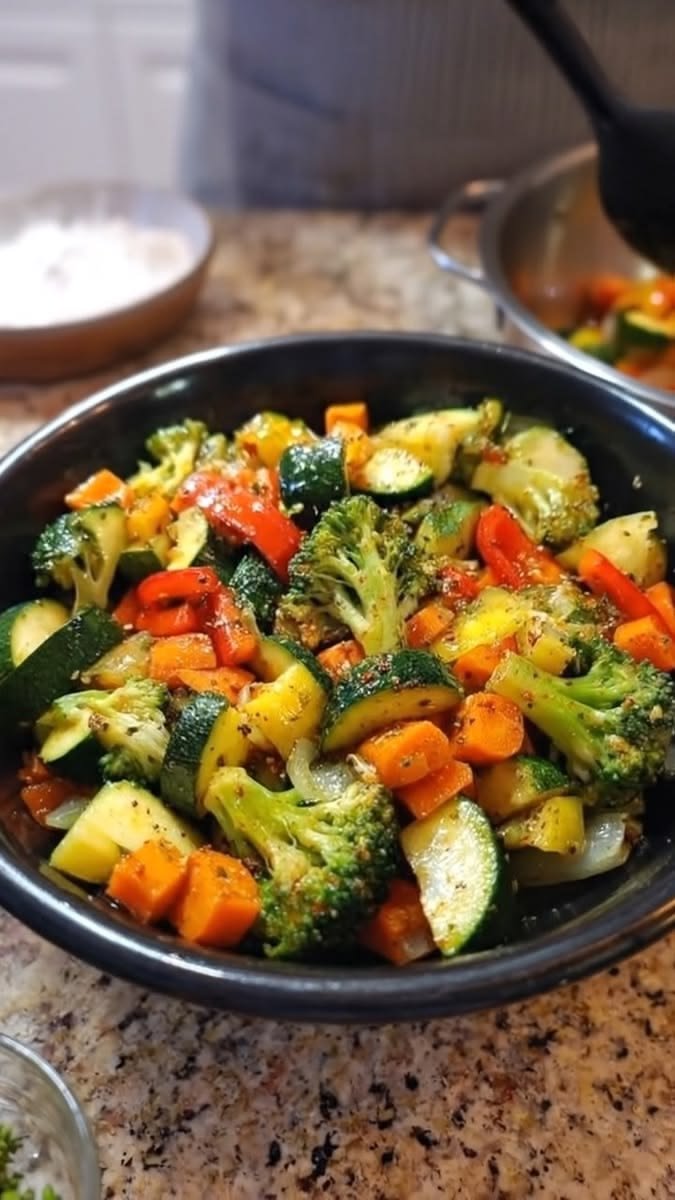
If you’re looking for a simple way to make everyday vegetables taste absolutely delicious, these garlic herb roasted vegetables are worth adding to your weekly menu. They’re colorful, full of flavor, and made with fresh vegetables tossed in olive oil, garlic, and savory seasonings.
Honestly, I love recipes like this because they prove that vegetables don’t need complicated sauces or fancy ingredients to taste amazing. A little oil, some garlic, and the right combination of herbs can turn a bowl of ordinary vegetables into something everyone wants to scoop onto their plate.
I usually make a big batch when I have a few different vegetables sitting in the refrigerator. Broccoli, zucchini, carrots, bell peppers, and onions work beautifully together, creating a mix of sweet, tender, and slightly crisp textures. The seasoning brings everything together without overpowering the natural flavors.
This recipe is perfect for busy weeknights, meal prep, family dinners, or even a quick vegetarian lunch. You can serve it alongside chicken, fish, steak, or rice, or enjoy it on its own when you want something light but satisfying.
Why You’ll Love These Garlic Herb Vegetables
- Simple ingredients: You probably already have most of the seasonings in your kitchen.
- Easy preparation: Chop the vegetables, toss them with the seasoning, and roast.
- Colorful and nutritious: A variety of vegetables provides different vitamins, minerals, and fiber.
- Versatile side dish: These vegetables pair well with almost any main course.
- Great for meal prep: Make a batch ahead of time and enjoy it throughout the week.
- Easy to customize: Change the herbs, add your favorite vegetables, or sprinkle on some Parmesan cheese.
Ingredients You Need
Fresh Vegetables
- 2 cups broccoli florets: Cut into bite-sized pieces so they roast evenly.
- 2 medium zucchini: Slice into thick half-moons.
- 2 medium carrots: Peel and cut into small rounds or bite-sized chunks.
- 1 red bell pepper: Remove the seeds and cut into strips or chunks.
- 1 yellow bell pepper: Adds sweetness and beautiful color.
- 1 medium onion: Cut into wedges or thick slices.
Garlic Herb Seasoning
- 3 tablespoons olive oil: Helps the vegetables brown and keeps them from drying out.
- 3 cloves garlic: Minced for a fresh, savory flavor.
- 1 teaspoon Italian seasoning: Adds a delicious blend of herbs.
- ½ teaspoon paprika: Gives the vegetables warmth and a little color.
- ½ teaspoon salt: Adjust to taste.
- ½ teaspoon black pepper: Adds a mild, savory kick.
- 1 tablespoon fresh lemon juice: Optional, but it brightens the flavor beautifully.
- 2 tablespoons chopped fresh parsley: Optional, for garnish.
How to Make Garlic Herb Roasted Vegetables
Step 1: Preheat the Oven
Preheat your oven to 425°F (220°C).
A hot oven helps the vegetables develop browned edges instead of simply steaming. Line a large baking sheet with parchment paper if you want to make cleanup easier.
Step 2: Prepare the Vegetables
Wash and dry all the vegetables thoroughly.
Cut the broccoli into florets, slice the zucchini into half-moons, chop the carrots, and cut the bell peppers and onion into similar-sized pieces.
Try not to cut the carrots too thick because they take longer to soften than zucchini and bell peppers.
I usually keep the zucchini pieces slightly larger because they soften quickly during roasting. This little adjustment helps everything finish cooking around the same time.
Step 3: Make the Garlic Herb Mixture
In a large mixing bowl, combine the olive oil, minced garlic, Italian seasoning, paprika, salt, and black pepper.
Stir well so the garlic and seasonings are evenly distributed.
If you love garlic as much as I do, you can add an extra clove. Just be careful not to let minced garlic burn during roasting, as it can develop a bitter flavor.
Step 4: Toss the Vegetables
Add the prepared broccoli, zucchini, carrots, bell peppers, and onion to the bowl.
Toss everything until the vegetables are lightly coated with the garlic herb mixture.
Make sure the seasoning reaches all the pieces. If the vegetables seem dry, add a small drizzle of olive oil rather than pouring in too much at once.
Step 5: Arrange on a Baking Sheet
Spread the vegetables in a single layer on the prepared baking sheet.
Avoid piling them on top of one another. If necessary, use two baking sheets so the vegetables have enough room to roast properly.
This is one of the most important steps. Crowded vegetables release moisture and tend to steam, while vegetables spread out on the pan have a better chance of becoming golden and slightly crisp.
Step 6: Roast Until Tender
Place the baking sheet in the preheated oven and roast for approximately 20–30 minutes, stirring or flipping the vegetables halfway through.
Check the vegetables after about 20 minutes. The zucchini should be tender, the broccoli should have lightly browned edges, and the carrots should be easy to pierce with a fork.
Cooking time will vary depending on how large you cut the vegetables and how your oven performs.
If you prefer softer vegetables, roast them a little longer. For a firmer texture with more bite, check them toward the earlier end of the cooking range.
Step 7: Finish With Lemon and Parsley
Remove the vegetables from the oven and let them rest for a minute or two.
Drizzle with fresh lemon juice and sprinkle with chopped parsley if desired.
Honestly, that little squeeze of lemon makes a noticeable difference. It balances the richness of the olive oil and brings out the natural sweetness of the roasted vegetables.
Serve immediately while they’re warm and flavorful.
Tips for the Best Roasted Vegetables
1. Cut Vegetables Into Similar Sizes
Uniform pieces cook more evenly. Since carrots are firmer than zucchini, cut them smaller or give them a head start in the oven.
2. Don’t Overcrowd the Pan
Give each piece enough room. Two baking sheets are better than one overcrowded sheet if you’re making a large batch.
3. Dry the Vegetables Before Seasoning
Excess water can prevent proper browning. Pat the vegetables dry after washing them, especially the broccoli.
4. Use Fresh Garlic for the Best Flavor
Freshly minced garlic gives the dish a stronger, more aromatic flavor. Garlic powder can also work if you need a quicker alternative.
5. Add Delicate Vegetables Later
If you’re including asparagus, cherry tomatoes, or thinly sliced mushrooms, consider adding them partway through roasting so they don’t become overly soft.
6. Adjust the Seasoning to Your Taste
Italian seasoning is a great starting point, but you can also use oregano, thyme, rosemary, or a Cajun seasoning blend.
7. Finish With Something Fresh
Lemon juice, fresh parsley, or a little grated Parmesan can make the finished vegetables taste even better without requiring a complicated sauce.
Delicious Variations to Try
One thing I love about roasted vegetables is how easy it is to change the flavor.
Parmesan garlic vegetables: Sprinkle freshly grated Parmesan over the vegetables during the final few minutes of roasting.
Spicy roasted vegetables: Add red pepper flakes or a pinch of cayenne pepper to the seasoning mixture.
Lemon herb vegetables: Add lemon zest along with the lemon juice and use extra fresh parsley.
Mediterranean vegetables: Add cherry tomatoes and finish with crumbled feta and a few sliced olives after roasting.
Balsamic roasted vegetables: Drizzle a small amount of balsamic vinegar over the vegetables just before serving.
Smoky roasted vegetables: Replace the regular paprika with smoked paprika for a deeper, smoky flavor.
What to Serve With Garlic Herb Roasted Vegetables
- Grilled chicken: A simple, protein-rich pairing for an easy dinner.
- Roasted salmon: The fresh vegetables balance the richness of the fish.
- Steak: Serve alongside grilled or pan-seared steak for a hearty meal.
- Rice or quinoa: Turn the vegetables into a satisfying vegetarian bowl.
- Pasta: Toss them with cooked pasta, olive oil, Parmesan, and a splash of pasta water.
- Baked potatoes: Pair them with a baked potato and your favorite protein.
- Chickpeas: Add roasted or canned chickpeas for extra plant-based protein and fiber.
How to Store and Reheat Leftovers
Storing in the Refrigerator
Allow the roasted vegetables to cool, then place them in an airtight container. Refrigerate within two hours of cooking.
They’ll generally keep for 3–4 days in the refrigerator.
Reheating in the Oven
For the best texture, spread the vegetables on a baking sheet and reheat at 375°F (190°C) for approximately 8–12 minutes, or until heated through.
This helps restore some of their roasted texture.
Reheating in the Air Fryer
Place the vegetables in the air fryer basket and heat at 350°F (175°C) for about 3–5 minutes, checking and shaking the basket as needed.
Reheating in the Microwave
The microwave is the quickest option, although the vegetables may become softer. Heat in short intervals until warmed through.
Can You Freeze Roasted Vegetables?
You can freeze them, but zucchini and bell peppers may become softer after thawing. For the best results, use frozen leftovers in soups, pasta, or grain bowls rather than expecting them to retain their original roasted texture.
Approximate Nutrition Information
The following nutrition estimates are for one serving, assuming the recipe makes six servings and includes the listed vegetables and olive oil. Actual values will vary depending on the size of the vegetables and the amount of oil used.
- Calories: 140–160
- Protein: 4 g
- Carbohydrates: 17 g
- Fat: 8 g
- Saturated Fat: 1 g
- Fiber: 5 g
- Sugar: 7 g
- Sodium: 220–300 mg
These roasted vegetables provide a variety of nutrients and can fit into many different eating patterns. Pair them with beans, lentils, tofu, chicken, or fish if you’d like to make a more protein-rich meal.
Frequently Asked Questions
1. Can I use frozen vegetables instead of fresh vegetables?
Yes, frozen vegetables can work, but they usually release more moisture than fresh vegetables. For better browning, roast them directly from frozen, avoid overcrowding the pan, and allow extra cooking time if necessary. The finished texture may be softer.
2. Why are my roasted vegetables soggy?
Soggy vegetables are often caused by overcrowding the baking sheet, excess moisture, or an oven temperature that’s too low. Dry the vegetables well, spread them out in a single layer, and roast at 425°F (220°C) for better browning.
3. Can I prepare the vegetables ahead of time?
Absolutely! You can wash and chop most of the vegetables a day ahead and store them in separate airtight containers in the refrigerator. For the freshest roasted flavor, toss them with the oil and seasonings just before baking.
4. How do I know when the vegetables are done?
The vegetables should be tender when pierced with a fork, with lightly browned edges. Broccoli and bell peppers may develop some caramelized spots, while carrots should be soft enough to bite comfortably without falling apart.
5. Can I make these garlic herb vegetables in an air fryer?
Yes! Toss the vegetables with the oil and seasonings, then arrange them in a single layer in the air fryer basket. Cook at approximately 375–400°F (190–200°C) for 10–18 minutes, shaking the basket occasionally. Cook in batches if needed, since air fryers vary in size and performance.
Conclusion
These easy garlic herb roasted vegetables are proof that a simple side dish can be both delicious and satisfying. With fresh broccoli, zucchini, carrots, bell peppers, and onions, every bite offers a lovely combination of natural sweetness, savory garlic, and aromatic herbs.
I love how little effort this recipe requires. Once the vegetables are chopped and seasoned, the oven does most of the work, leaving you free to prepare the rest of dinner.
Whether you serve them with grilled chicken, fish, rice, or your favorite vegetarian main course, these colorful roasted vegetables are an easy way to bring more flavor and variety to the table.
Give them a try, adjust the seasonings to suit your taste, and don’t forget the squeeze of lemon at the end. It’s a small finishing touch that makes this simple recipe feel extra special!