
Japanese Cotton Cheesecake Recipe

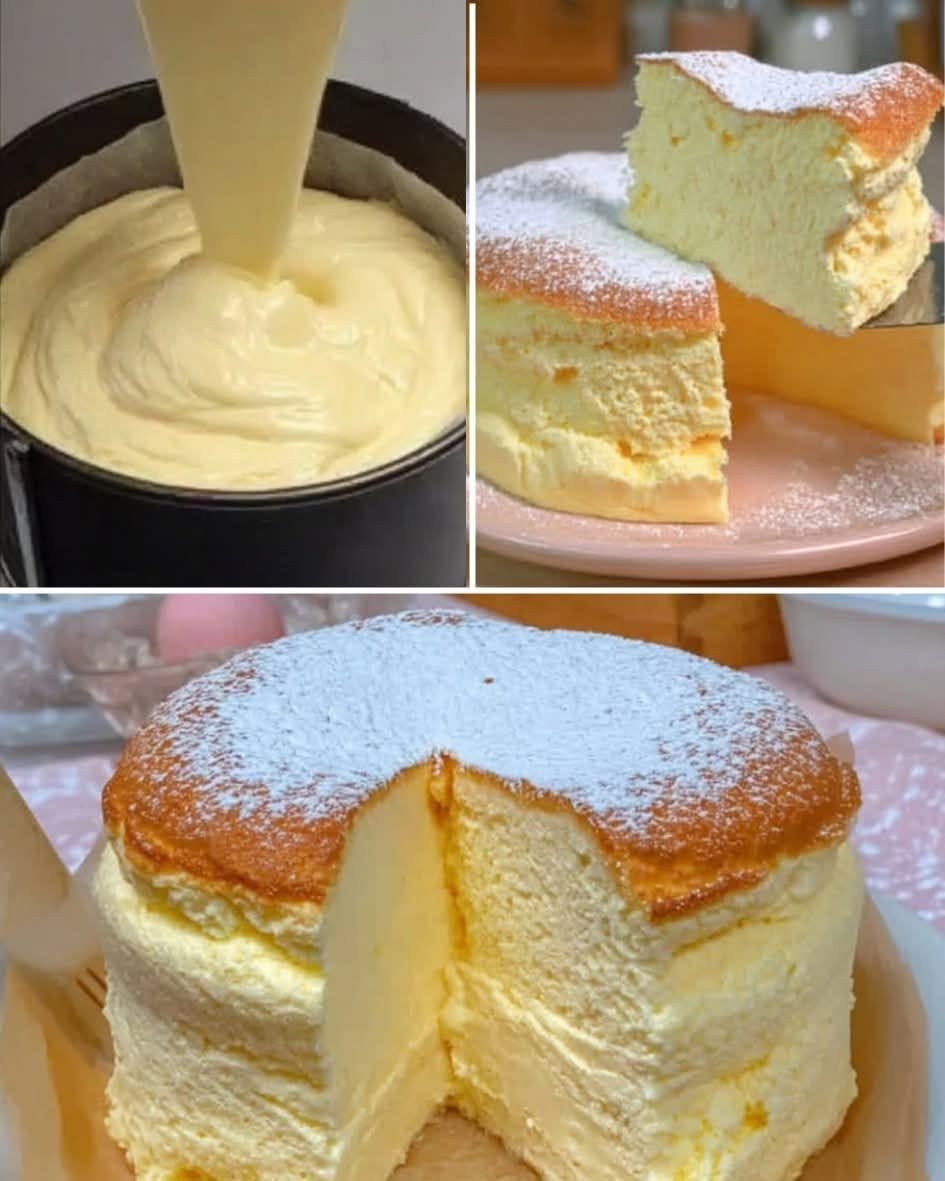
If you love light and fluffy desserts, this Japanese cotton cheesecake is a recipe you need to try! Honestly, what makes this cake so special is its beautiful texture. It is softer than traditional cheesecake, lighter than a regular butter cake, and almost melts in your mouth with every bite.
I usually enjoy desserts that are sweet but not too heavy, and this cheesecake is perfect for that. It has a delicate golden top, a creamy center, and a soft, airy texture that makes every slice feel special. A little dusting of powdered sugar gives it a lovely bakery-style finish.
The secret to making a successful Japanese cotton cheesecake is gently folding whipped egg whites into the cream cheese batter and baking the cake slowly in a water bath. These steps help create its signature fluffy texture.
Whether you are baking for your family, preparing a dessert for guests, or simply craving something sweet with tea or coffee, this homemade cheesecake is worth making!
Recipe Details
- Preparation Time: 25 minutes
- Cooking Time: 60–75 minutes
- Cooling Time: 45–60 minutes
- Total Time: Approximately 2 hours 30 minutes
- Servings: 8
- Course: Dessert
- Cuisine: Japanese
- Difficulty: Medium
Ingredients
Here are the simple ingredients you need to make this soft and fluffy Japanese cheesecake.
For the Cheesecake Batter
- 8 oz (225 g) cream cheese, softened
- ¼ cup (60 ml) whole milk
- ¼ cup (55 g) unsalted butter
- 6 large eggs, separated
- ½ cup (100 g) granulated sugar, divided
- ½ cup (60 g) cake flour
- 2 tablespoons (16 g) cornstarch
- 1 teaspoon vanilla extract
- 1 tablespoon lemon juice
- ¼ teaspoon salt
For Decoration
- 1–2 tablespoons powdered sugar, for dusting
Step-by-Step Method
Step 1: Prepare the Oven and Cake Pan
Preheat your oven to 320°F (160°C).
Line the bottom and sides of an 8-inch round cake pan with parchment paper. Choose a pan that is at least 3 inches deep to allow room for the cake to rise.
If you are using a springform pan, wrap the outside securely with several layers of heavy-duty aluminum foil to prevent water from entering during baking.
Step 2: Melt the Cream Cheese Mixture
Add the softened cream cheese, milk, and butter to a heatproof bowl.
Place the bowl over a saucepan of gently simmering water, making sure the bottom of the bowl does not touch the water.
Stir until the mixture becomes smooth and creamy. Remove the bowl from the heat and let it cool slightly.
Add the egg yolks one at a time, mixing well after each addition. Stir in the vanilla extract and lemon juice.
Step 3: Add the Dry Ingredients
Sift the cake flour, cornstarch, and salt into the cream cheese mixture.
Whisk gently until the batter is smooth and free of lumps.
If you notice any small lumps, strain the batter through a fine-mesh sieve. Set it aside while you prepare the egg whites.
Step 4: Whip the Egg Whites
Place the egg whites in a clean, dry mixing bowl.
Beat them with an electric mixer until they become foamy. Gradually add the remaining granulated sugar while continuing to beat.
Whip until the egg whites form medium-soft peaks. The mixture should look glossy and hold its shape, but the tips should bend slightly.
Be careful not to overwhip the egg whites, as stiff, dry peaks can make them harder to fold into the batter.
Step 5: Fold the Egg Whites Into the Batter
Add about one-third of the whipped egg whites to the cream cheese batter and gently mix to lighten it.
Add the remaining egg whites in two batches. Use a spatula to fold the mixture gently from the bottom of the bowl upward.
Avoid vigorous stirring because it can remove the air that makes the cheesecake fluffy.
Continue folding just until no large white streaks remain.
Step 6: Pour the Batter Into the Pan
Pour the finished batter into the prepared cake pan.
Gently tap the pan against the countertop once or twice to release large air bubbles. Do not bang it too hard, as you want to preserve the air in the batter.
Place the cake pan inside a larger roasting pan.
Carefully pour hot water into the roasting pan until it reaches about 1 inch up the sides of the cake pan.
Step 7: Bake the Cheesecake
Place the roasting pan in the preheated oven.
Bake at 320°F (160°C) for 20 minutes, then reduce the temperature to 285°F (140°C) and continue baking for approximately 40–55 minutes.
The cake should be golden on top and set around the edges, with a slight, gentle wobble in the center.
Ovens vary, so check the cake near the end of the baking time. The center should be cooked through rather than liquid. If you use a thermometer, aim for approximately 160°F (71°C) in the center for egg safety.
Step 8: Cool the Cheesecake Slowly
Turn off the oven and leave the cheesecake inside with the oven door slightly open for about 15–20 minutes.
Remove the cake from the water bath carefully and allow it to cool in the pan.
Once cooled, gently remove it from the pan and peel away the parchment paper.
Slow cooling helps reduce sudden temperature changes, which can cause the cheesecake to shrink or crack.
Step 9: Decorate and Serve
Once the cheesecake has cooled, dust the top lightly with powdered sugar.
Slice with a clean, sharp knife and serve.
For an especially neat slice, wipe the knife between cuts. Enjoy the soft, fluffy texture with your favorite cup of tea or coffee!
Cooking Tips for Perfect Japanese Cotton Cheesecake
1. Use Room-Temperature Ingredients
Softened cream cheese and properly separated eggs help the batter become smooth and easy to mix.
2. Keep the Mixing Bowl Clean
Even a small amount of egg yolk or grease in the egg-white bowl can prevent the whites from whipping properly.
3. Fold Gently
The whipped egg whites provide most of the cake’s airy texture. Fold slowly and carefully rather than stirring vigorously.
4. Use a Water Bath
The water bath creates a gentler baking environment and helps the cheesecake cook more evenly. Make sure the pan is sealed well if you are using a springform pan.
5. Avoid Opening the Oven Too Early
Sudden temperature changes can cause the cake to collapse. Keep the oven closed during the initial baking period.
6. Cool the Cake Gradually
Letting the cake cool slowly reduces the chance of dramatic shrinking and helps preserve its delicate structure.
7. Measure Ingredients Carefully
Baking is sensitive to ingredient ratios. Use a kitchen scale when possible, especially for flour, sugar, and cream cheese.
Serving Suggestions
Japanese cotton cheesecake tastes wonderful on its own, but you can make it even more special with these serving ideas.
- Fresh berries: Serve with strawberries, blueberries, or raspberries for a refreshing contrast.
- Whipped cream: Add a small spoonful of lightly sweetened whipped cream.
- Fresh fruit: Pair with sliced mango, kiwi, peaches, or seasonal fruit.
- Tea or coffee: Enjoy a slice with green tea, black tea, or freshly brewed coffee.
- Fruit sauce: Drizzle with strawberry sauce or a little raspberry coulis.
- Chocolate: Add a light drizzle of melted chocolate for a sweeter dessert.
I usually prefer a simple dusting of powdered sugar because it lets the delicate cheesecake flavor shine.
Storage Instructions
- Refrigerator: Store the cooled cheesecake in an airtight container for up to 3 days.
- Freezer: You can freeze individual slices, wrapped tightly, for up to 1 month for best quality.
- Serving after refrigeration: Let a slice stand at room temperature briefly before serving if you prefer a softer texture.
Because this cheesecake contains dairy and eggs, refrigerate it within 2 hours of baking or serving. Thaw frozen slices in the refrigerator.
Approximate Nutrition Information
The following estimates are for one serving, assuming the cheesecake is cut into 8 slices and excluding optional powdered sugar.
- Calories: 230–270
- Carbohydrates: 22–27 g
- Protein: 6–8 g
- Fat: 13–16 g
- Saturated Fat: 7–9 g
- Sugar: 15–19 g
- Sodium: 150–220 mg
Actual nutrition will vary depending on the ingredients and brands used.
Frequently Asked Questions
1. Why did my Japanese cotton cheesecake shrink?
Some shrinking is normal as the cake cools. However, excessive shrinking can happen if the egg whites are overwhipped, the batter loses too much air, the cake is underbaked, or it cools too quickly. Gentle mixing, thorough baking, and gradual cooling can help.
2. What makes Japanese cotton cheesecake different from regular cheesecake?
Traditional cheesecake is usually dense and creamy, while Japanese cotton cheesecake contains whipped egg whites that give it a light, airy, sponge-like texture. It is generally less heavy and often less sweet than classic New York-style cheesecake.
3. Can I make this cheesecake without cake flour?
Yes. You can substitute all-purpose flour, although the texture may be slightly less delicate. For the closest result, measure carefully and sift it with the cornstarch before adding it to the batter.
4. Why did my cheesecake crack on top?
Cracks can result from excessive heat, overbaking, or sudden temperature changes. Use the recommended lower baking temperature, avoid opening the oven too early, and let the cake cool gradually.
5. Can I make Japanese cotton cheesecake ahead of time?
Yes! You can bake it a day ahead and refrigerate it once completely cooled. Keep it covered in the refrigerator and dust it with powdered sugar shortly before serving for the prettiest finish.