
Creamy Spinach & Sun-Dried Tomato Pasta!

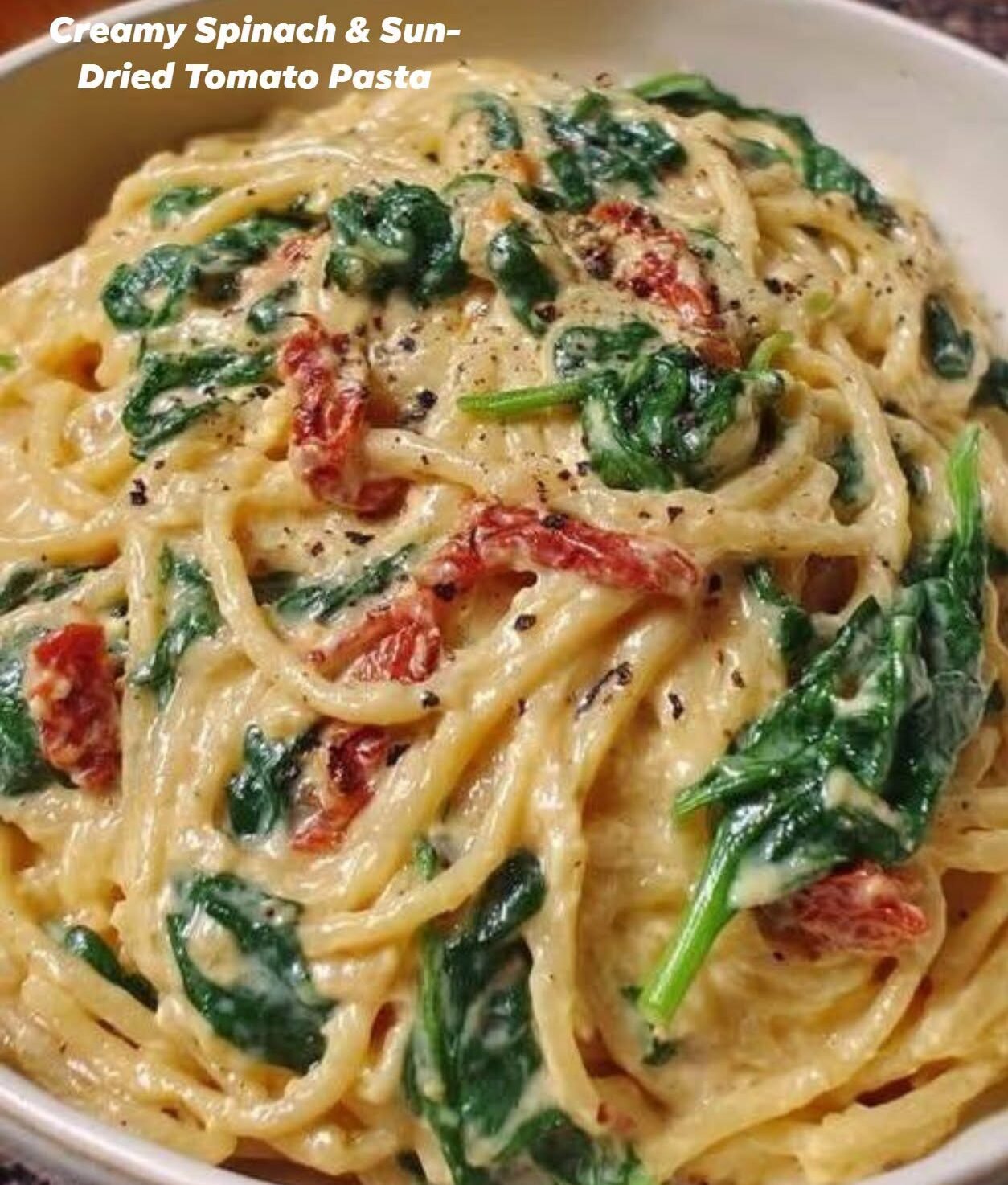
Creamy Spinach & Sun-Dried Tomato Pasta
There are evenings when I want something comforting and creamy, but I still want dinner to feel fresh and colorful. Creamy Spinach & Sun-Dried Tomato Pasta is exactly that kind of recipe.
I made this for my family last weekend after a busy day when nobody wanted anything complicated. I had fresh spinach, a jar of sun-dried tomatoes, and some pasta in the pantry, so I decided to turn them into a creamy skillet dinner.
The garlic started sizzling, the sun-dried tomatoes filled the kitchen with that wonderful savory aroma, and once the spinach wilted into the sauce, everything came together beautifully. My family loved it so much that there wasn’t much left for the next day!
It’s become one of those cozy recipes I make when I want a homemade meal that feels a little special without spending hours in the kitchen.
Why You’ll Love It
Creamy and comforting
Full of garlic and Mediterranean flavor
Fresh spinach adds color and nutrients
Sun-dried tomatoes add a delicious tangy bite
Easy one-pan sauce
Great for weeknight dinners
Easy to make diabetes-conscious
Ingredients
8 oz whole-wheat pasta or high-protein pasta
1 tablespoon extra virgin olive oil
3 garlic cloves, minced
½ cup sun-dried tomatoes, chopped
4 cups fresh baby spinach
½ cup low-sodium vegetable or chicken broth
½ cup half-and-half
¼ cup grated Parmesan cheese
¼ teaspoon Italian seasoning
¼ teaspoon black pepper
¼ teaspoon red pepper flakes, optional
½ teaspoon lemon zest
1 tablespoon fresh lemon juice
2 tablespoons fresh basil or parsley, chopped
Salt, to taste
Instructions
1. Cook the Pasta
Bring a large pot of salted water to a boil.
Cook the pasta according to the package directions until al dente.
Before draining, reserve about ½ cup of pasta water.
Drain and set aside.
2. Sauté the Garlic & Tomatoes
Heat olive oil in a large skillet over medium heat.
Add the garlic and sun-dried tomatoes.
Cook for 1–2 minutes, stirring frequently, until fragrant.
3. Add the Spinach
Add the fresh spinach to the skillet.
Cook for 2–3 minutes, stirring until the spinach wilts down.
4. Make the Creamy Sauce
Pour in the broth and half-and-half.
Add Italian seasoning, black pepper, and red pepper flakes if using.
Simmer gently for 3–4 minutes.
Stir in the Parmesan until melted and creamy.
5. Add the Pasta
Add the cooked pasta to the skillet.
Toss everything together until the pasta is coated in the sauce.
If the sauce seems too thick, add a splash of the reserved pasta water until you reach your preferred consistency.
6. Finish With Lemon
Stir in the lemon zest and fresh lemon juice.
Taste and adjust the seasoning.
Sprinkle with fresh basil or parsley and a little extra Parmesan.
Serve immediately.
My Tips for the Best Creamy Pasta
Don’t overcook the pasta.
Al dente pasta holds up better in the creamy sauce.
Reserve pasta water.
The starchy water is perfect for loosening the sauce and helping it cling to the pasta.
Don’t burn the garlic.
It only needs a minute or two to become fragrant.
Use oil-packed sun-dried tomatoes.
They bring wonderful flavor to the sauce. Drain excess oil before chopping.
Keep the sauce at a gentle simmer.
Very high heat can make dairy-based sauces separate.
Diabetes-Conscious Version
Traditional pasta can be relatively high in carbohydrates, so for a more diabetes-conscious version:
Use whole-wheat, chickpea, lentil, or high-protein pasta.
Keep the pasta portion moderate.
Increase the spinach and sun-dried tomatoes.
Use unsweetened half-and-half or a lighter dairy option.
Avoid adding sugar to the sauce.
Add grilled chicken or shrimp for extra protein.
For a much lower-carb option, replace half or all of the pasta with zucchini noodles, spaghetti squash, or shirataki noodles.
Mediterranean-Inspired Twist
This recipe already has plenty of Mediterranean-style ingredients.
For even more flavor, add:
Extra virgin olive oil
Fresh basil
Oregano
Lemon
Kalamata olives
Artichoke hearts
Roasted red peppers
A handful of toasted pine nuts on top adds a lovely crunch.
Easy Variations
Creamy Chicken Pasta
Add 1½ cups cooked sliced chicken breast.
Garlic Shrimp Pasta
Add cooked garlic shrimp just before serving.
Spinach & Mushroom Pasta
Sauté 8 oz sliced mushrooms with the garlic and sun-dried tomatoes.
Feta Pasta
Replace half the Parmesan with crumbled feta for a tangier Mediterranean flavor.
Low-Carb Vegetable Pasta
Use zucchini noodles or spaghetti squash instead of traditional pasta.
What to Serve With It
I like serving this with:
Grilled chicken
Garlic shrimp
Greek salad
Roasted broccoli
Grilled asparagus
Cucumber tomato salad
Roasted zucchini
Storage & Reheating
Store leftovers in an airtight container in the refrigerator for 3–4 days.
When reheating, add a splash of broth or milk and warm gently in a skillet over low-medium heat.
The sauce will naturally thicken in the refrigerator, so a little liquid helps bring it back to a creamy consistency.
Prep Time
10 minutes
Cook Time
20 minutes
Total Time
30 minutes
Servings
4
Approximate Nutrition Per Serving
Using whole-wheat pasta:
Calories: 390
Protein: 15g
Carbohydrates: 55g
Fat: 14g
Fiber: 7g
Sugar: 7g
Sodium: 430mg
Nutrition is approximate and will vary depending on the pasta, sun-dried tomatoes, dairy products, and Parmesan used.
Frequently Asked Questions
Can I use regular pasta?
Yes. Regular pasta works perfectly, although whole-wheat or higher-protein pasta can provide more fiber or protein.
Can I make this without heavy cream?
Yes. This recipe uses half-and-half rather than heavy cream. You can also use evaporated milk or unsweetened Greek yogurt stirred in after reducing the heat.
Can I add chicken?
Absolutely. Grilled or pan-seared chicken makes this a more filling, protein-rich meal.
Can I use fresh tomatoes instead of sun-dried tomatoes?
You can, but the flavor will be lighter and less concentrated. Roasted red peppers are another delicious alternative.
How can I make it lower-carb?
Use zucchini noodles, spaghetti squash, or a low-carb/high-protein pasta. You can also use half pasta and half roasted cauliflower or zucchini.
Is this suitable for a diabetes-conscious meal?
It can be adapted well. The biggest carbohydrate source is the pasta, so choosing a higher-fiber pasta, controlling the portion, adding protein, and increasing the non-starchy vegetables can make the meal more balanced.